
Share this article

We’re back again this month with more trees to identify during the winter using your newfound bark ID skills! This month, we’ll be looking at four more common native trees in Maryland: Black Cherry, American Beech, Tulip Poplar, and Northern Red Oak. 

As with before, start by identifying one tree in this list, and wait to move on to the others until you are comfortable with the first. That will prevent overloading your system with a bunch of new tree-related information.

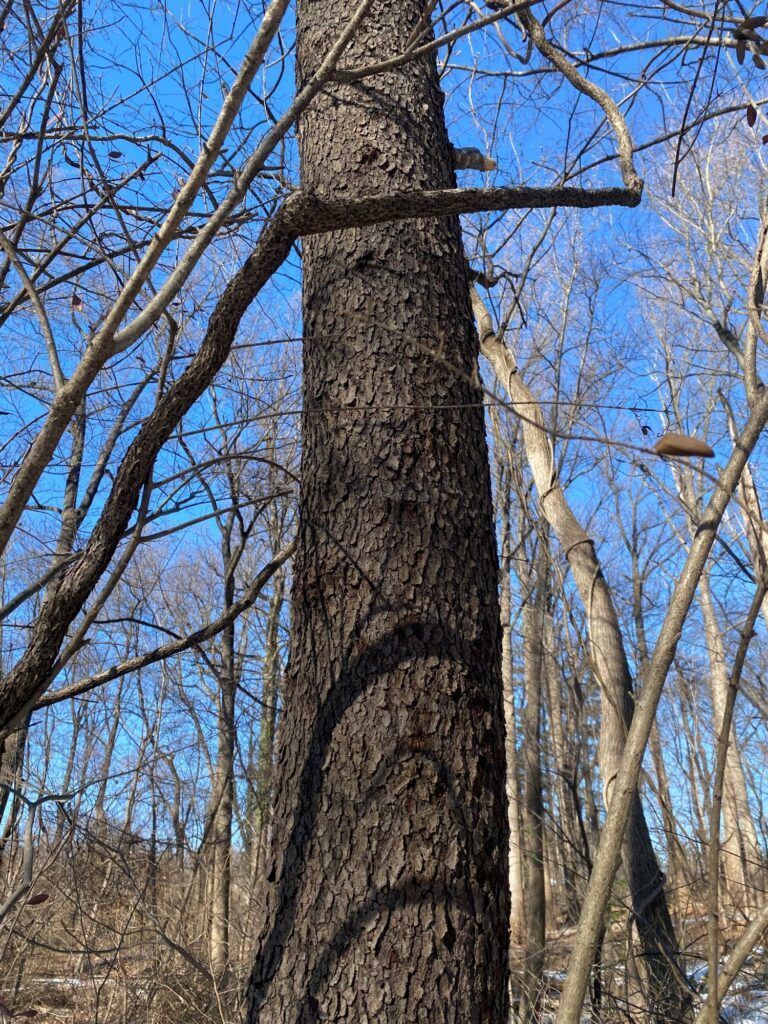
First up on our list is the Black Cherry tree. This is a personal favorite, as the bark of this tree becomes more like fish scales as it matures. While a young sapling, the bark of the Black Cherry tree is similar to other cherries, displaying the trademark horizontal “bands,” i.e. lenticels, throughout the tree. The exception to this is the base of the trunk, which begins to form irregular cracks, even while the tree is young. As it grows older, these cracks will become more uniform, spanning the length of the trunk, and adopting the characteristic “fish scale” look. The youngest growth of the tree, namely the upper branches, will retain the smooth bark with horizontal bands, though you may need binoculars to see this on particularly large specimens. As you walk through your local forest, keep an eye out for several of these trees growing near each other in loose stands.

Black Cherry

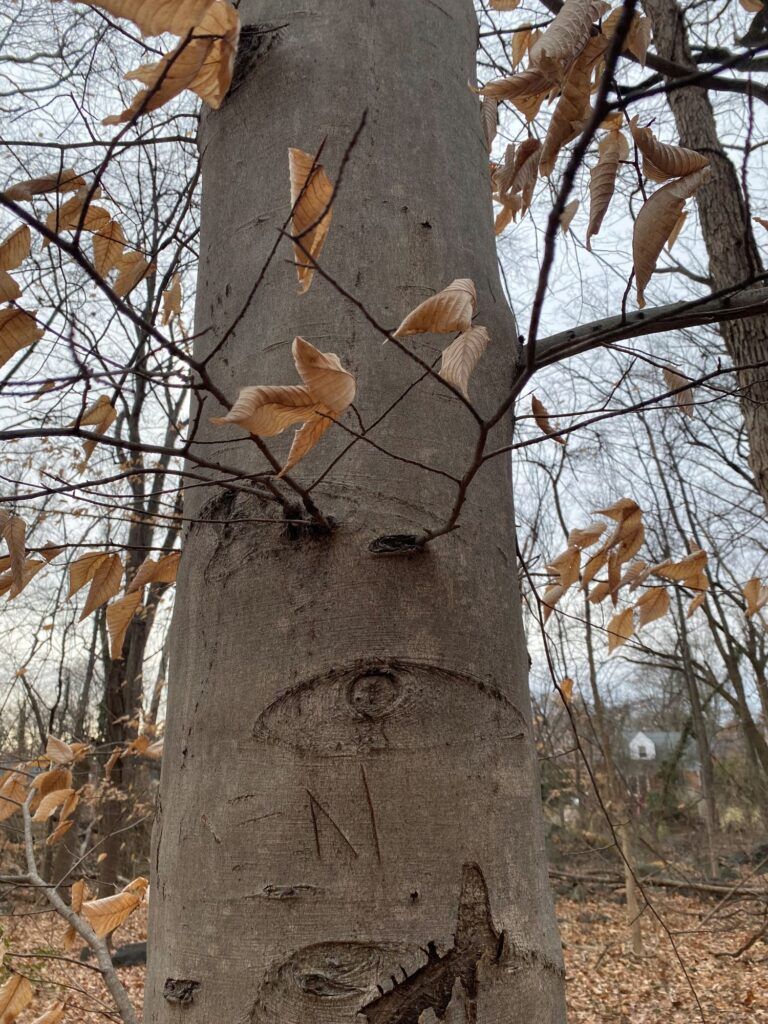
Next up, we have the American Beech. This particular tree is very easy to identify during the winter, due to its habit of retaining the previous season’s leaves until the spring. When you walk into a beech forest, you’ll immediately be greeted by trees with light tan leaves all around you. While this is a pretty good metric to identify the tree, we’re here today to learn about the bark. The bark of this tree is very unique, with its smooth, silver-grey color broken up by characteristic “eye” shapes. These “eyes” are actually lenticels, which allow for gas exchange between the tree and its environment. It’s just a coincidence that they have such a definitive shape!

American Beech

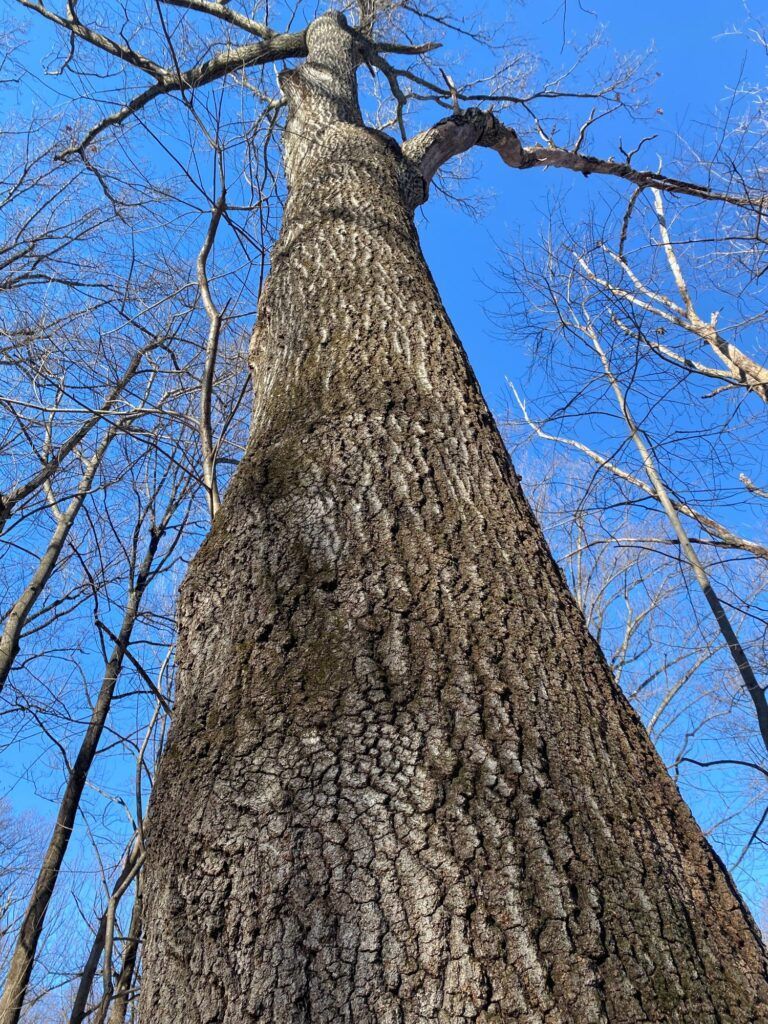
Our third tree for the month is the Tulip Poplar, also known as the Tulip tree. This arboreal giant grows fast and lives life fast, with an average age of 80-100 years. For context, your average White Oak will live 350+ years. This makes it a common sight in early successional forests, where it will grow up and provide a canopy for the slower growing oaks and hickories. Identifying this tree by bark can be a little tricky at first, as it resembles many other types of trees at an initial glance. Upon closer inspection, we begin to find clues that help us out in our identification mission. The bark of older Tulip Poplar trees is deeply rutted, and will appear to “criss-cross” from nearly the bottom of the trunk to the tops of the branches. The very base of the trunk, however, is different, and looks very much like paper mache to me. Another way to tell that you’re looking at a Tulip Poplar is to look at the tips of the branches. Oftentimes during the winter, the Tulip trees will retain many of their dried out blossoms, and combined with your bark sleuthing skills, this is usually a dead giveaway.

Tulip Poplar

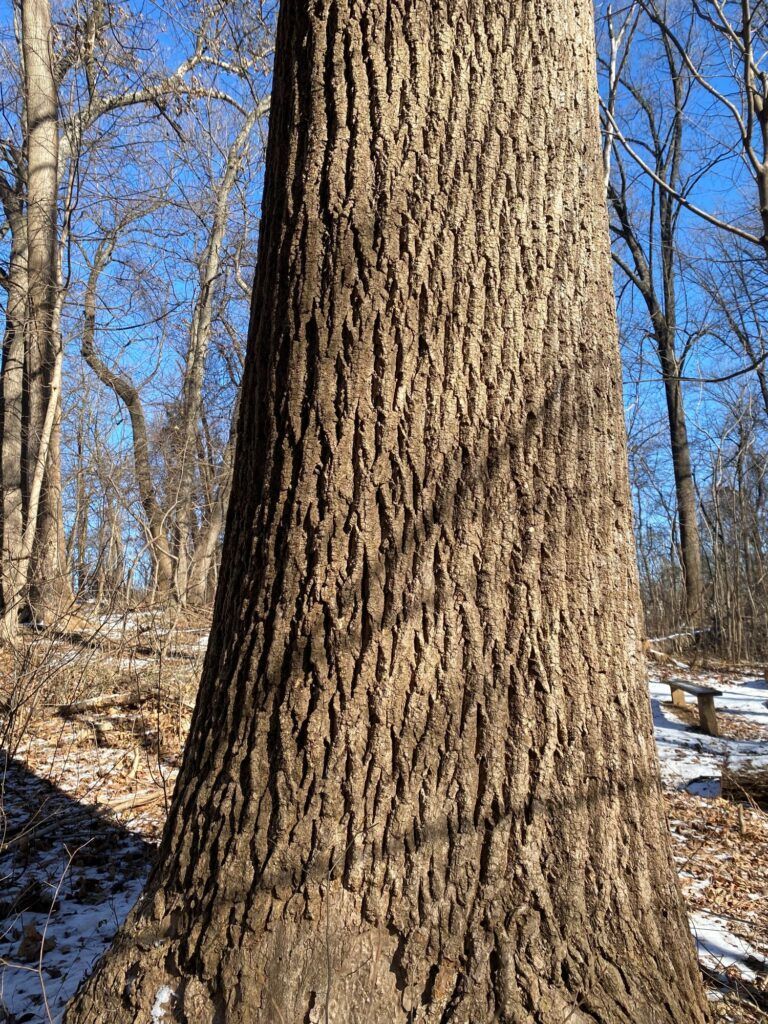
Lastly, we will cover one of our long-lived native trees, the majestic Northern Red Oak. This species is fairly common in our intact forests, and will oftentimes be found alongside its cousin, the White Oak. This is an interesting tree species to ID, as they take a bit of time to distinguish from surrounding trees, especially while saplings. The older the tree becomes, the more distinct its bark will be. The oldest parts of the bark (i.e., the portions that are most raised) are a dark grey color, while the youngest parts of the bark (i.e., the bark you see deep in the ruts and cracks) are orange-red, giving this tree its name. To confirm that you are admiring a Northern Red Oak, look for the distinctive “ski-tracks” that will form along the length of the trunk. The old dark-grey bark will usually be separated by shallow troughs of middle-age, light grey bark, which gives the appearance of a well-used ski slope.

Northern Red Oak

That’s all we have for this month. Get out there and start identifying your local trees in the forests and parks surrounding your home. I would suggest beginning with the American Beech, and working up to the other trees from this article afterwards. If you have any questions or are simply enjoying this series and would like to see more, please let us know at info@neighborspacebaltimorecounty.org. We would love to hear from you. Stay warm!

Recent Posts

By Will Kaselow August 10, 2026
Live Music and Ribbon Cutting at Graystone 7/28/26 | Will Kaselow, Community Conservation Manager
By Will Kaselow July 29, 2026
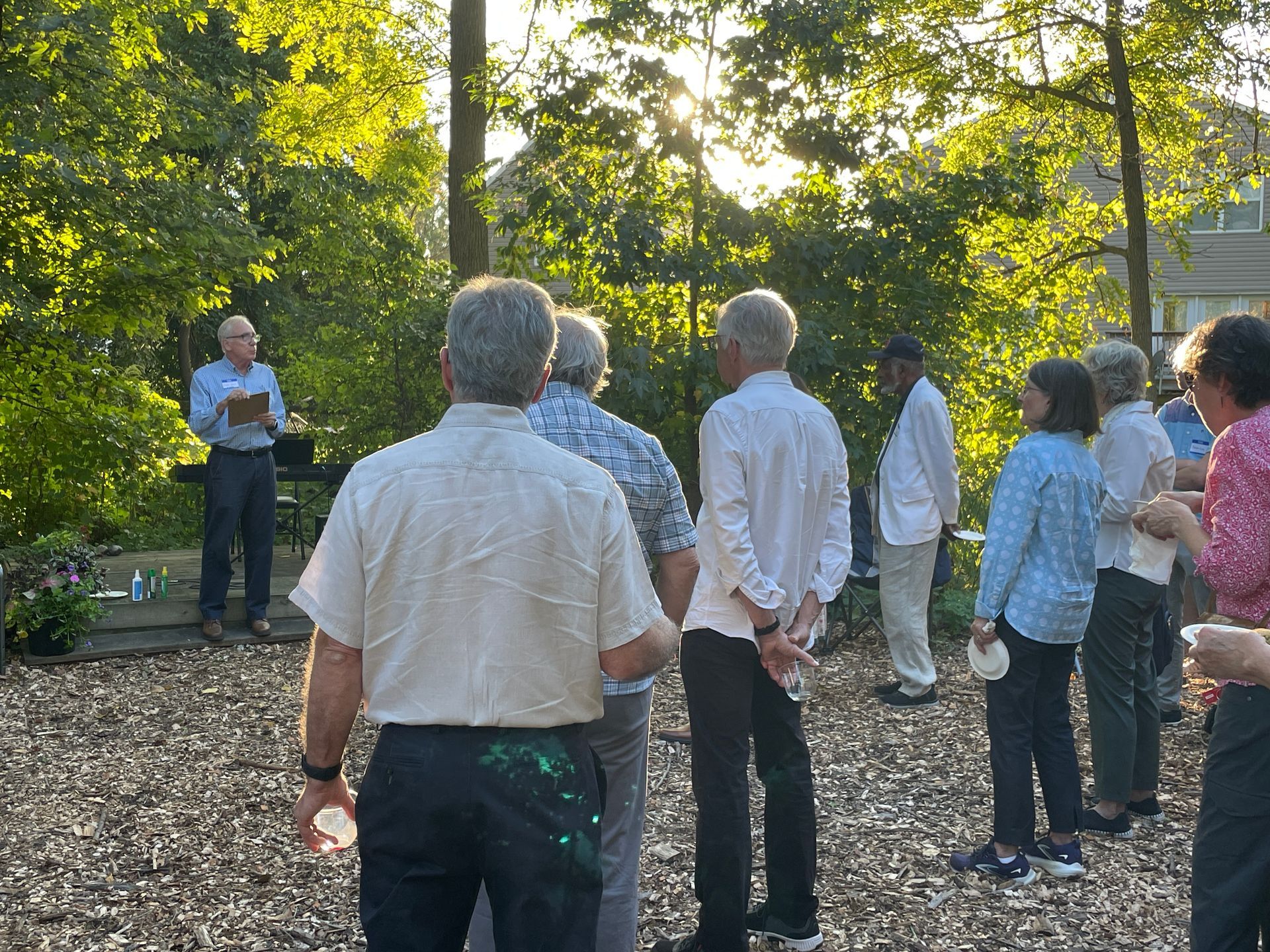
7/28/26 | Will Kaselow, Community Conservation Manager Thank you to everyone who came out to NeighborSpace’s final concert of the summer! After the original date was cancelled due to wildfire-related air pollution, we were able to quickly reschedule and ended up lucking into one of the most beautiful nights of the summer so far. We […]
By Phyllis Joris July 29, 2026
7/29/2026 | Phyllis Joris, Executive Director Like many nonprofits, NeighborSpace operates on a fiscal year that runs July through June. This month, NeighborSpace staff and board members took stock of progress made in the past year and drafted a work plan for the coming year. More details will be provided in NeighborSpace’s Annual Report, which […]
By Carol Partonen July 29, 2026
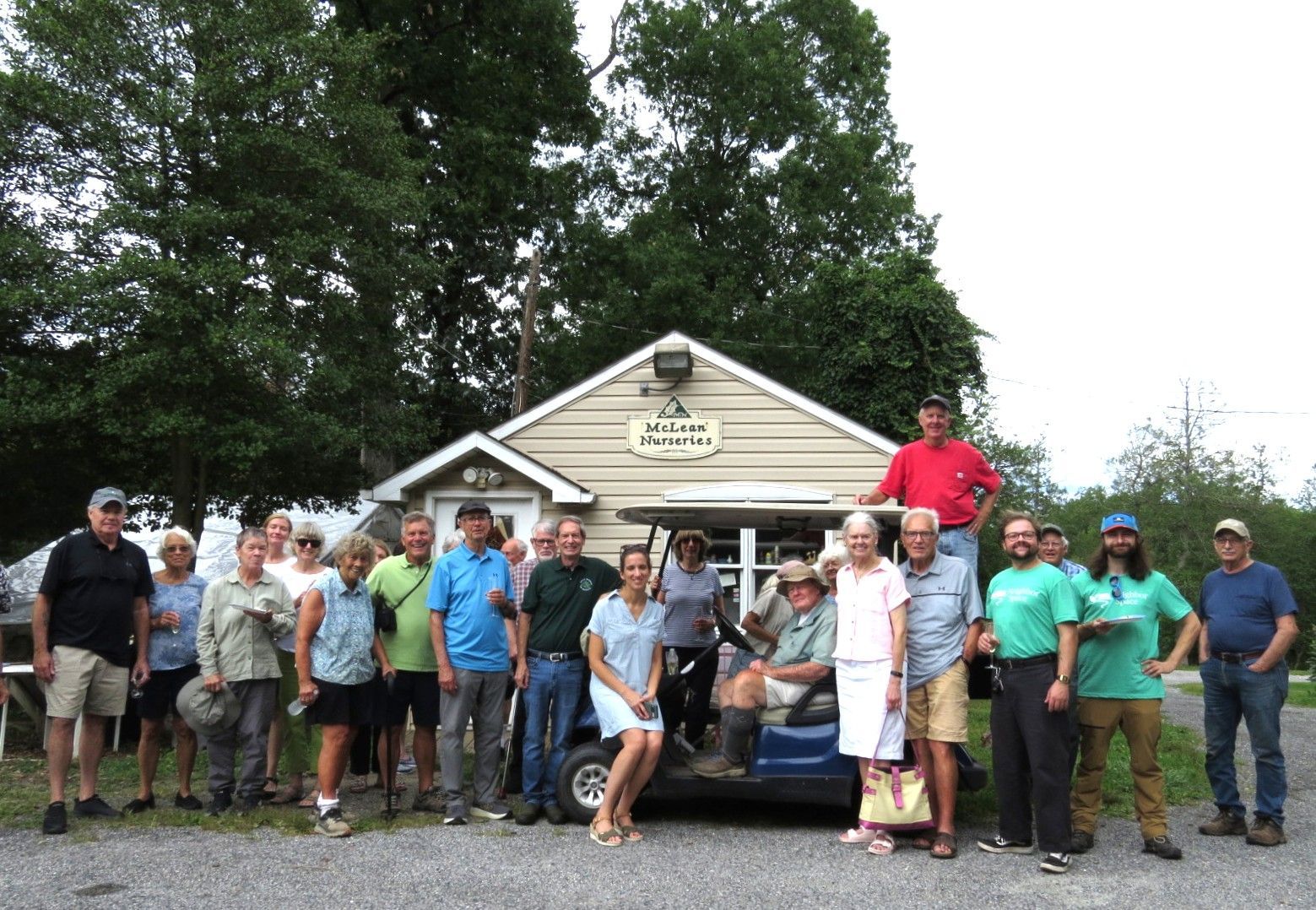
Thanks to donations from generous supporters like you, NeighborSpace was able to hire three interns this summer. We want to help young conservationists gain fieldwork and behind-the-scenes experience, and staff is grateful for the extra hands and minds! We introduced you to our stewardship interns last month.Now read on to meet our communications intern, Mykiah. […]
By Carol Partonen July 28, 2026
Barbara Waters While I grew up in Massachusetts and then spent 6 years in Northern Maine, I have now lived in Maryland for nearly 32 years. I had been involved in many things in the community, but that involvement really ramped up once the pandemic started. To combat isolation, I started walking daily, and have […]
By Carol Partonen June 29, 2026
Thanks to donations from generous supporters like you, NeighborSpace was able to hire three interns this summer. We want to help young conservationists gain fieldwork and behind-the-scenes experience, and staff is grateful for the extra hands and minds! Read on to meet our two stewardship interns, Ashley and Katie. Hi! I am Ashley Metzbower. I […]
By Will Kaselow June 29, 2026
6/29/26 | Will Kaselow, Community Conservation Manager This month we welcomed the summer with song, hosting live music events at two of our sites! First, Patrick Alban and his Buena Vista Social Club joined us at Ridgely Manor Park in Towson on one of the hottest nights of the year so far. Despite the heat, […]
By Conor Harrington June 29, 2026
6/29/26 | Conor Harrington, Land Steward This spring, NeighborSpace installed its first microforest/Miyawaki plantings at Tollgate Wyndham Preserve in Owings Mills. With the help of some very dedicated volunteer groups from BGE and Stanley Black & Decker, we planted about 150 trees and shrubs in three contained locations of the preserve. The area covered by […]
By Phyllis Joris June 29, 2026
6/29/2026 | Phyllis Joris, Executive Director NeighborSpace recently added a new site to its portfolio! With the addition of Stonegate, a beautiful 16-acre property in Catonsville, NeighborSpace now protects 116 acres across 22 sites for current and future residents of urban Baltimore County. This property is co-held with Maryland Environmental Trust (MET), the state’s land […]
By Will Kaselow May 29, 2026
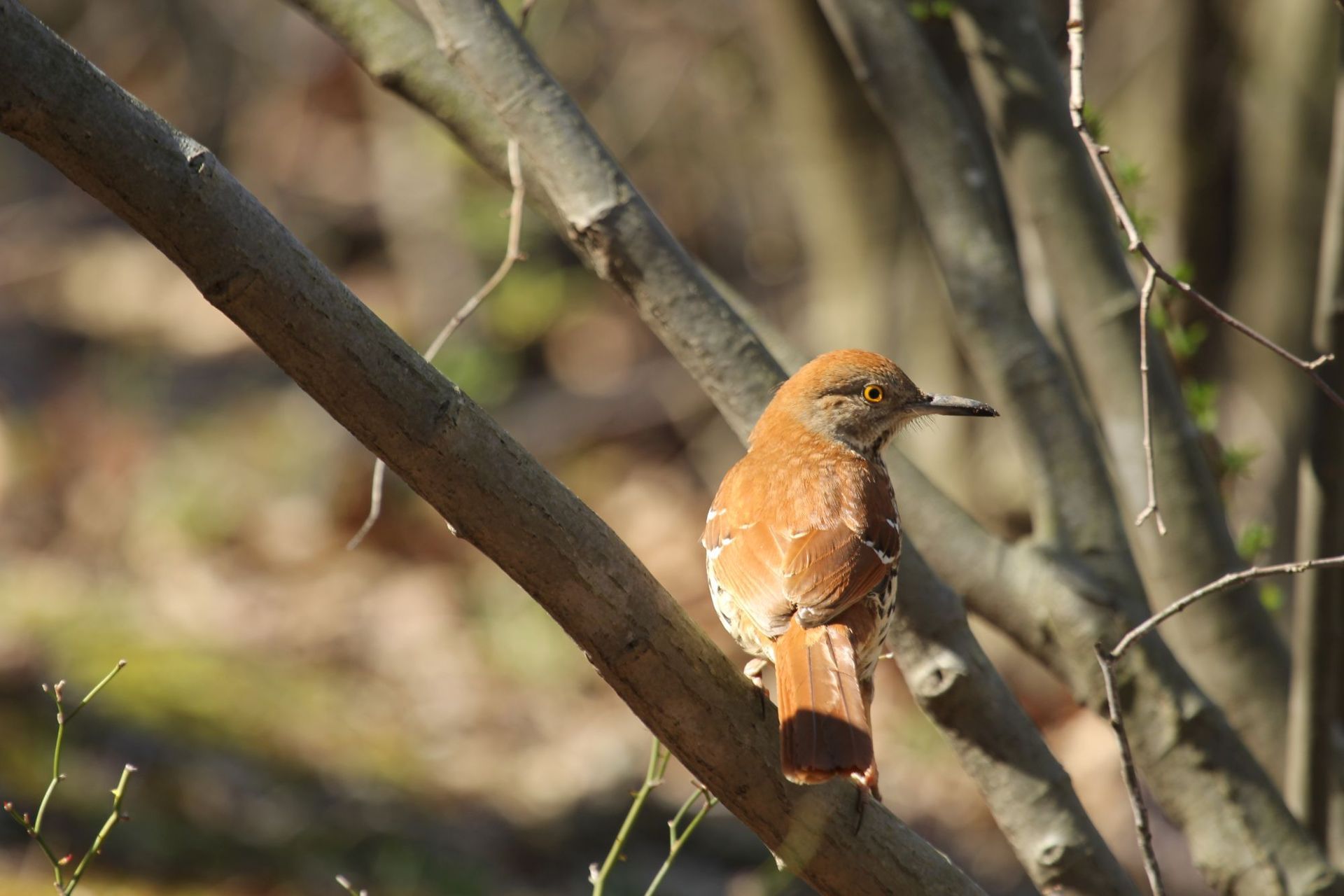
This month we would like to thank Christie Bianco for her time and dedication as a NeighborSpace volunteer! Christie has lived in the Dunmore community for 21 years and first connected with Levickas Woods through her children, who would play in the woods and catch crayfish in the stream. She considers the woods to be […]
Show More