Active Parks, Healthy Suburbs: Why are Some Parks Used More Than Others?
[Editor’s Note: This is the first in what we hope will be a regular series of articles featuring research that is driving how we improve and manage the 100+ acres under our care.]
Last year, a report came out providing concrete numbers for how to increase park usage. The report detailed the National Study of Neighborhood Parks , which was a collaborative effort between the Parks Alliance and The RAND Corporation, collecting data from 174 neighborhood parks across 25 cities.
The major question that was asked was: “What draws people to a park?” The answer to this question came in four parts: (1) Programming (2) Play Areas (3) Marketing & (4) Walking Loops.
Firstly, when it comes to programming, the study showed that EACH additional supervised activity increased park use by 48%, with physical activity increasing park use by 37%. Studies showed that programming can help attract more seniors and teen girls, both of which are highly underrepresented in parks. NeighborSpace has attempted a couple ventures into programming regarding Bocce Ball at our Newburg Ave Park in Catonsville (shown below).
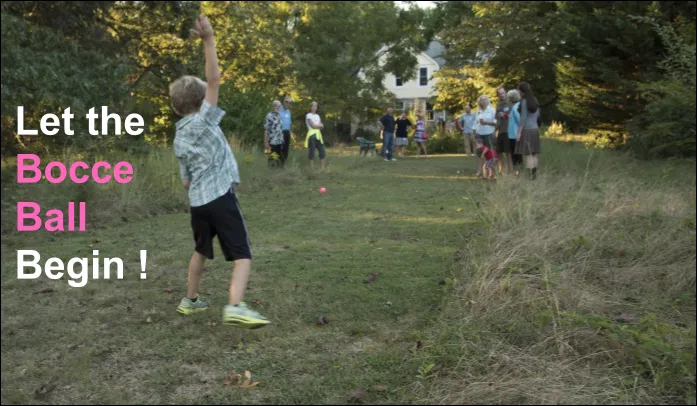
Unfortunately, the Cinco de Mayo event, meant to jump start interest in a bocce league, was rained out. A later attempt to partner with Volo City was deemed infeasible. We have not given up on this idea completely and this study provides encouragement to pursue programming in the future. The key to making this happen is making sure we have the community partners capable of leading such programming. If you have an idea for programming at your park, please let email me at patrick@neighborspacebaltimorecounty.org.
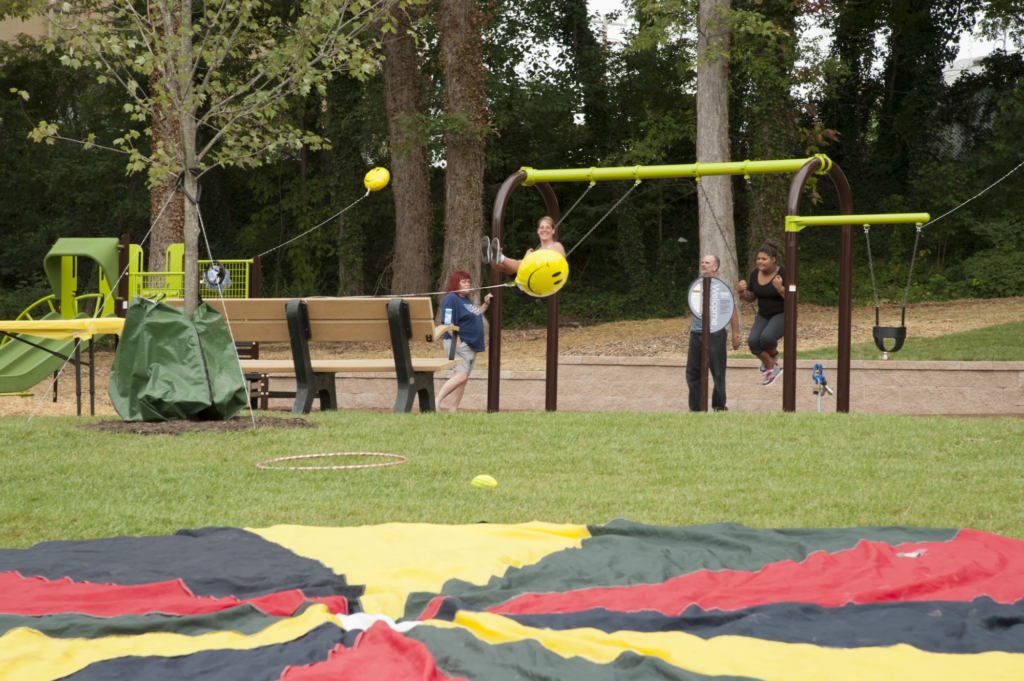
Secondly, play areas were shown to increase park usage by 50% for EACH additional play element added to the playground. Play areas account for 25% of children’s park use, while the most common reason for going to a park in the first place is “bringing children.” Unfortunately play areas are expensive and can be a liability. We are happy to have our one official playground at Ridgley Manor Park in East Towson (shown below).
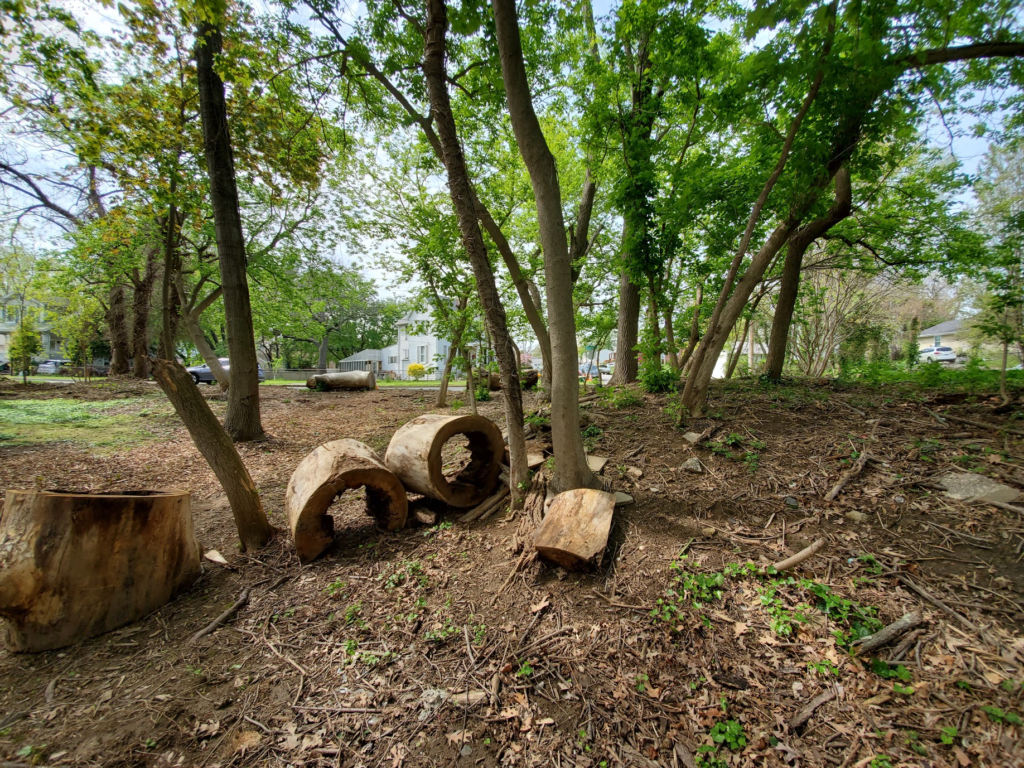
We are also early in the process of creating a smaller and less official nature playground at Cherry Heights Woodland Garden in Overlea (shown below).
Thirdly, marketing is vital to the success of a park with on-site banners, posters and signs leading to a 62% increase in park users and 63% increase in vigorous activity. Over the past couple of years NeighborSpace has unveiled a line of sleek new park signs from Gopher Sign with installations at 5 sites. Blue Water Baltimore is currently holding onto the signs for 3 parks yet to be installed and we are hoping to order signs for an additional 3 parks in the coming months.
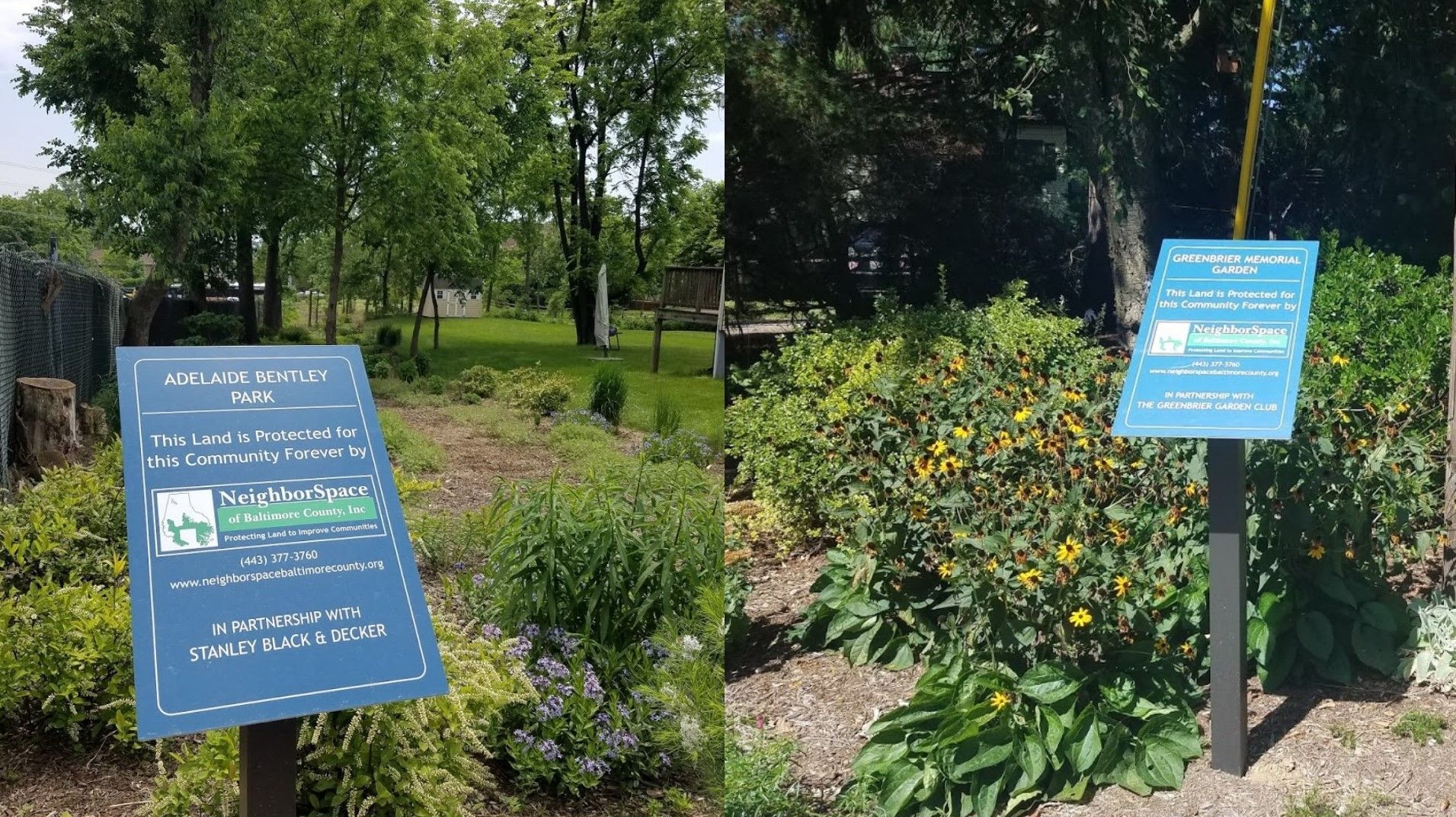
Gopher Signs at Adelaide Bentley Park and Greenbrier Memorial Garden respectively.
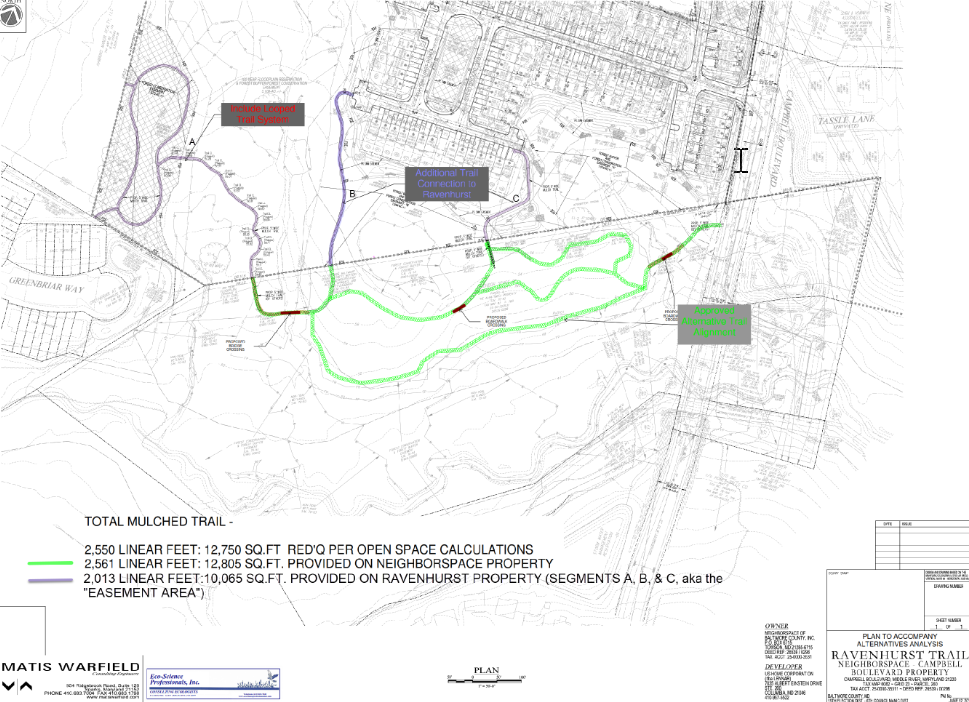
Lastly, and most significantly, walking loops were shown to lead to an 80% increase in park usage and 90% increase in moderate-to-vigorous physical activity. More importantly, it was shown that when a park had a walking loop, twice as many seniors would show up. Powhatan Park in Lochearn was designed with a walking loop at the insistence of older community members. Once an ongoing drainage project is completed there this spring, we will be improving the walking a loop. A number of our parks do have trails, including the trail currently being built at Volz Neighborhood Park in Middle River (shown below), which will provide nearly a mile of scenic walking paths when completed later this spring.
Reviewing this survey has provided some clear direction on how we can best serve our communities through our sites. We plan on using this research to continue to guide our efforts and financial decisions down the line.