
Share this article

Mapping, Monitoring, and Restoring: The Next Step in Forest Conservation

NeighborSpace has developed and launched a detailed Forest Health Assessment to understand the ecological conditions of the forests we protect. This process involves mapping the site, surveying the variety of plants and animals through a community-driven “bioblitz,” and examining different layers of the forest, from the tallest trees to the ground cover. We also look closely at soil quality, signs of disease or pests, and human impacts like foot traffic, soil compaction, or litter.

These findings help us rate the overall health of the forest, identify challenges like invasive species, and guide restoration efforts. By pinpointing which areas need the most care and selecting the best native plants to support local wildlife, we can create thoughtful restoration plans that protect and improve these valuable natural spaces for the community and future generations.

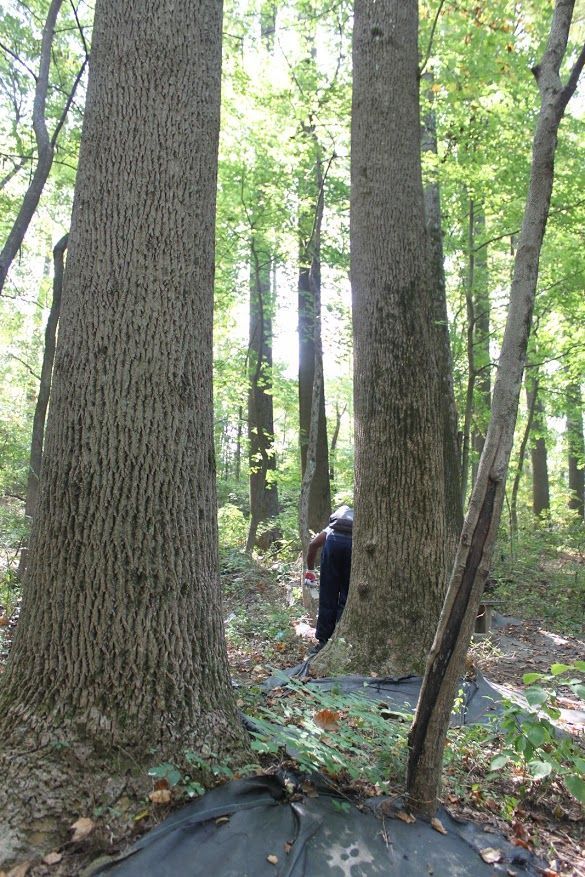
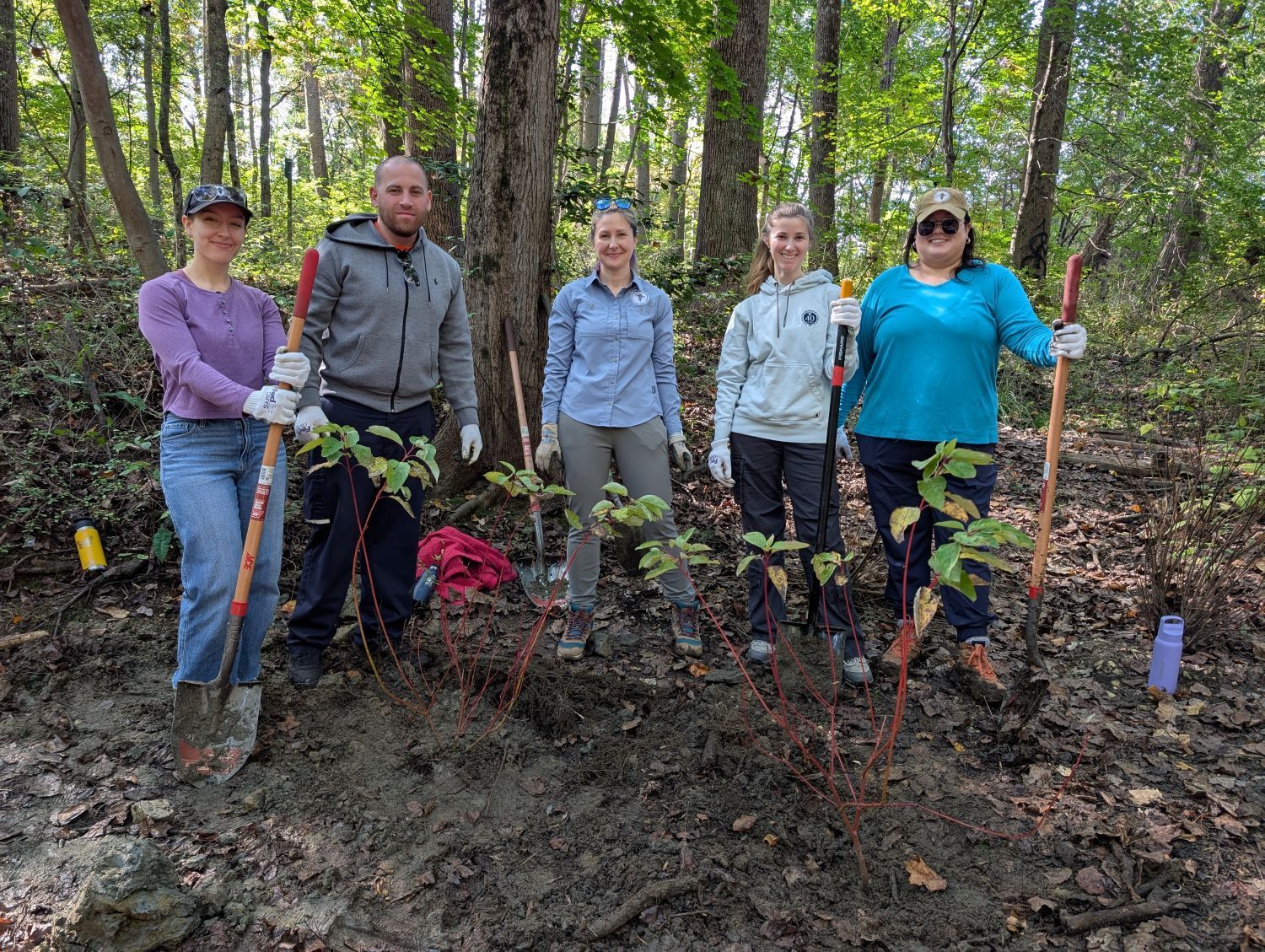
We are very grateful for the support and guidance from Francis Smith of the Maryland DNR. This month, Francis joined our staff onsite at Tollgate Wyndham Preserve to fine-tune parts of the forest health assessment, including conducting a walkthrough to identify dominant tree species and potential focus areas for restoration.

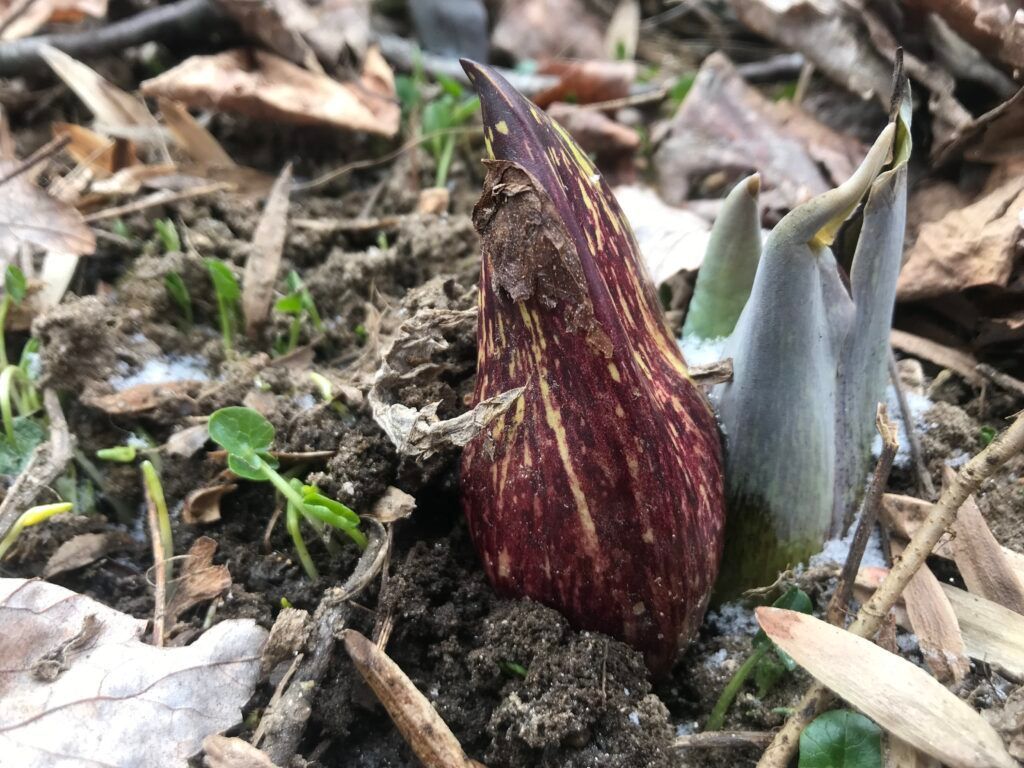
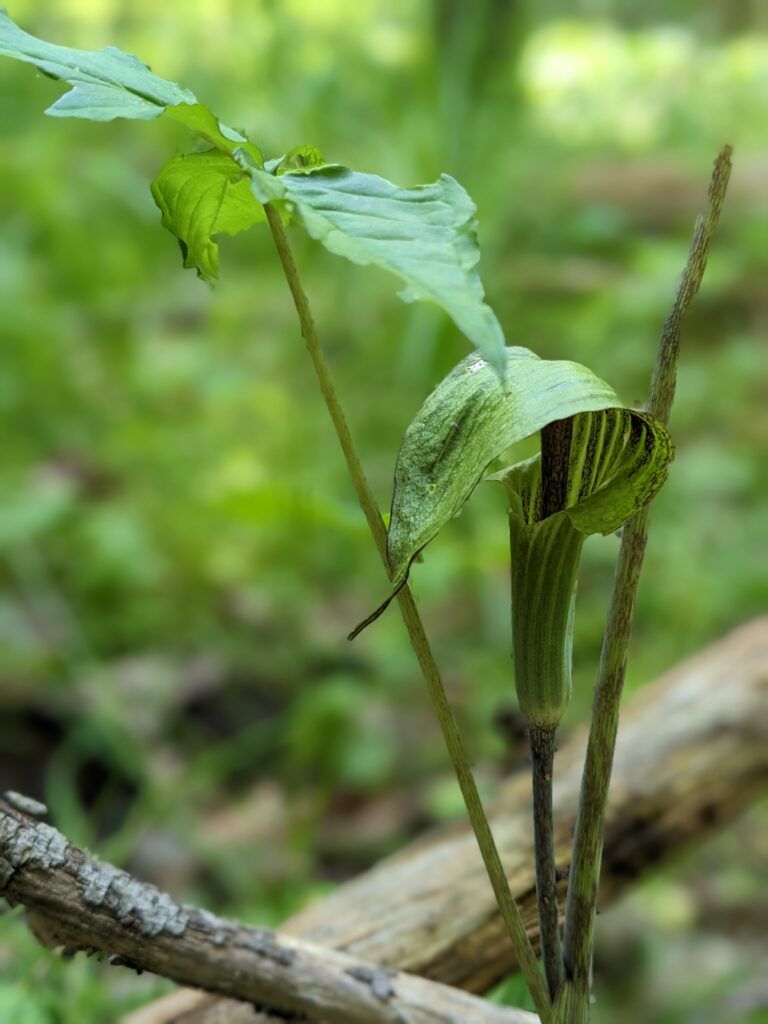
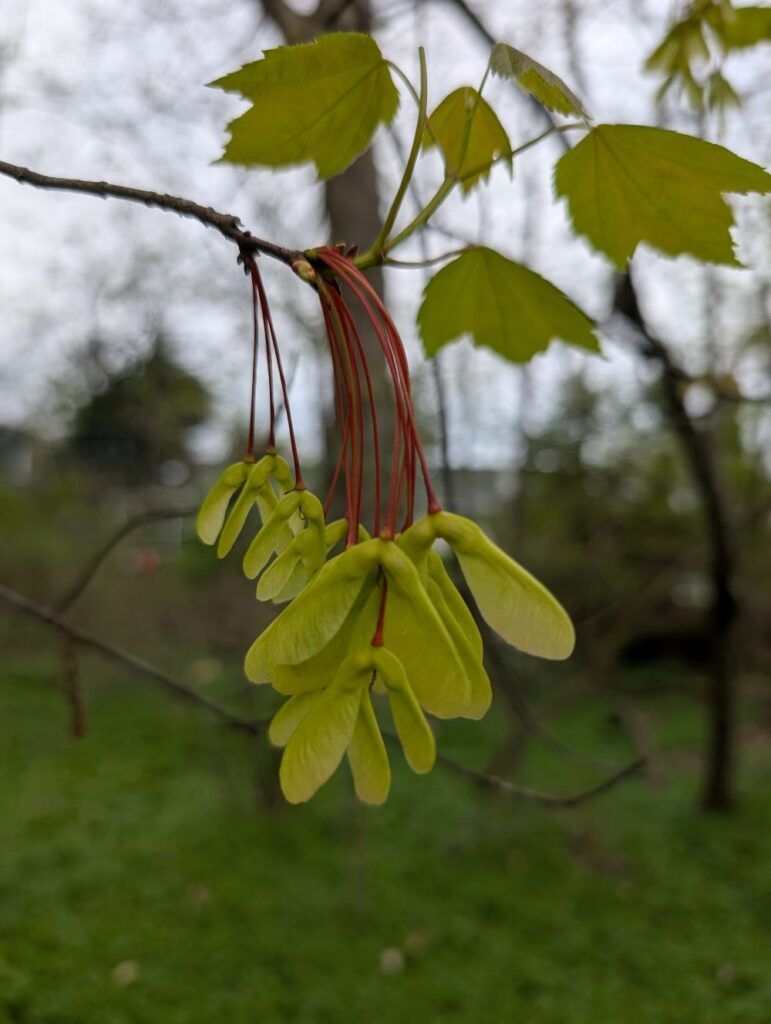
Tollgate Wyndham Preserve is a relatively young forest that has grown following a period of development. It is primarily dominated by poplars, maples, and hickories. The park also features a wetland area near the stream that supports native plants such as skunk cabbage, Jack-in-the-pulpit, and jewelweed.

Like many urban forests, the understory at Tollgate Wyndham has been impacted by deer browsing. While a healthy population of spicebush, which deer tend to avoid, thrives throughout the preserve, the understory overall needs greater diversity to enhance biodiversity and improve habitat quality.

Our ongoing restoration plans include fencing off saplings of black gums, hollies, and oaks to protect them, as well as planting understory trees in areas where invasive species have been removed. These efforts build on last fall’s planting of 20 understory trees and represent a continued commitment to restoring the preserve’s ecosystem.

To develop this assessment, we researched protocols used by conservation groups such as  Maryland DNR and Baltimore Green Space. Our approach is unique because the data will be collected by volunteers working alongside our staff as part of our community science programs. The assessment tools are scientifically designed to provide meaningful insights for restoration recommendations and are tailored for volunteer implementation.

Stay tuned for information on how to get involved and volunteer this fall!  If you would like to be notified of our Fall Forest Health Volunteer Training, please complete this form: Volunteer Interest Form- Forest Health Assessment.

Meet Our Forests

NeighborSpace conserves 5 forested sites, 2 forest patches, and 2 additional forested sites protected through private conservation easements.

Tollgate-Wyndham Preserve

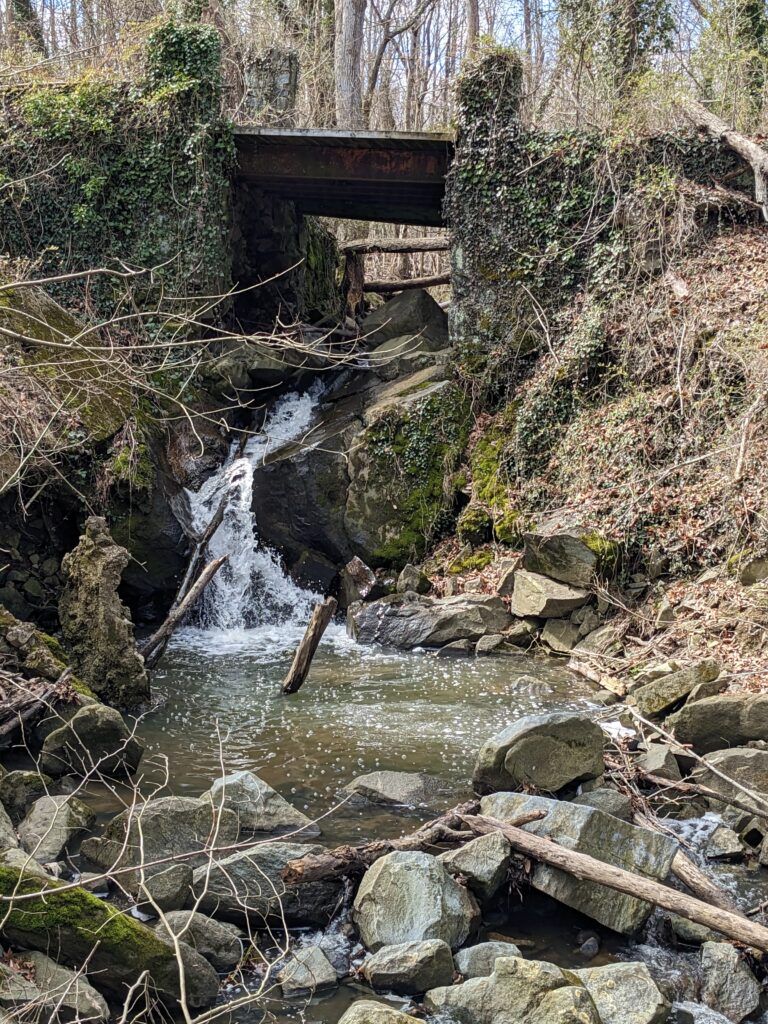
Tollgate-Wyndham Preserve is a 7-acre urban forest in Owings Mills. Once part of a family farm, the land has remained undeveloped and now features wooded hillsides, wetlands, mulched trails, and an outdoor classroom. The preserve supports native wildlife and plant species, including mature maples and tulip poplars, and plays an important role in managing stormwater and filtering runoff into the nearby Gwynns Falls tributary. Community members, schools, and volunteers help care for the space through stewardship activities like invasive species removal and educational programs.

Volz Park

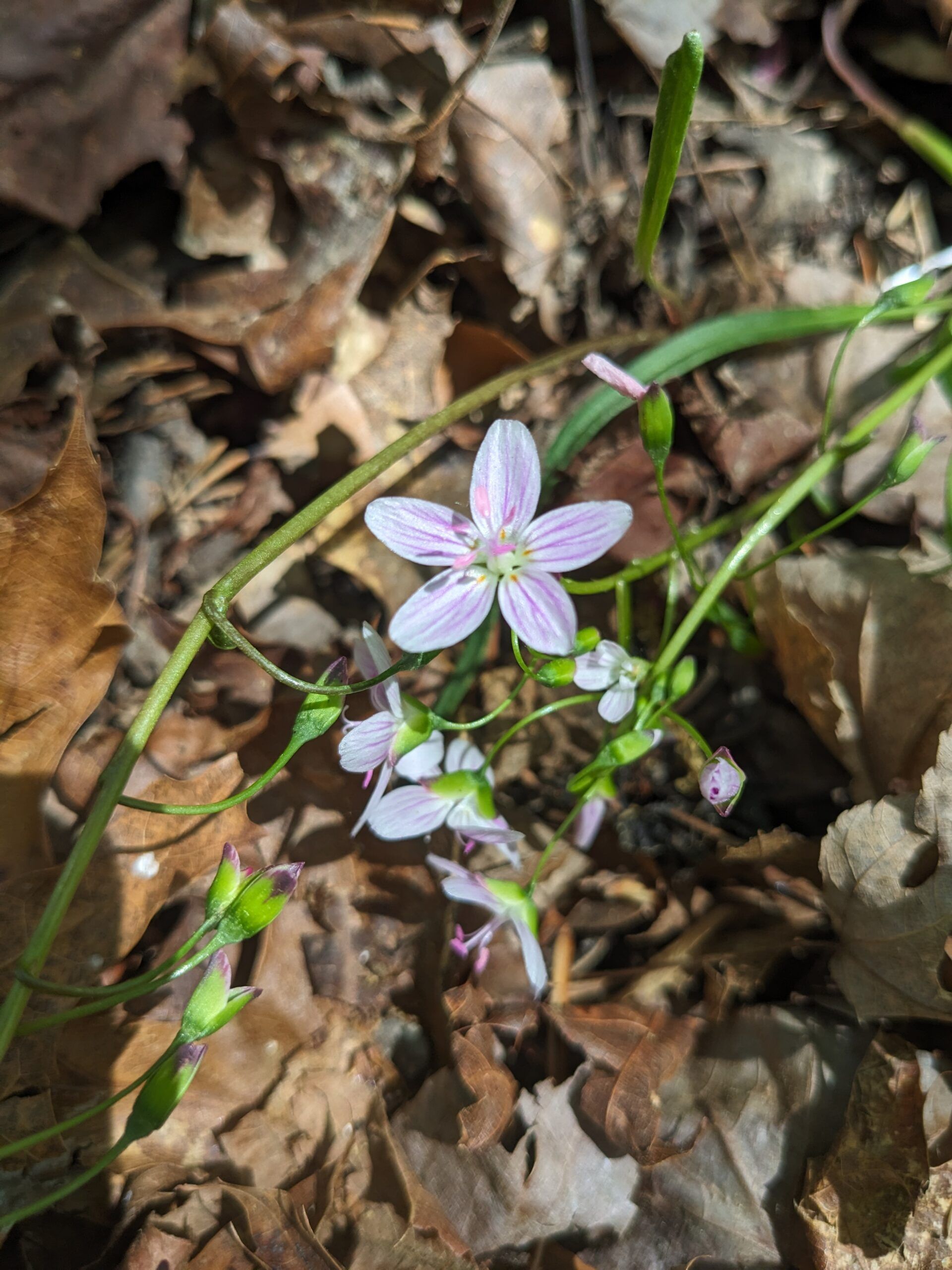
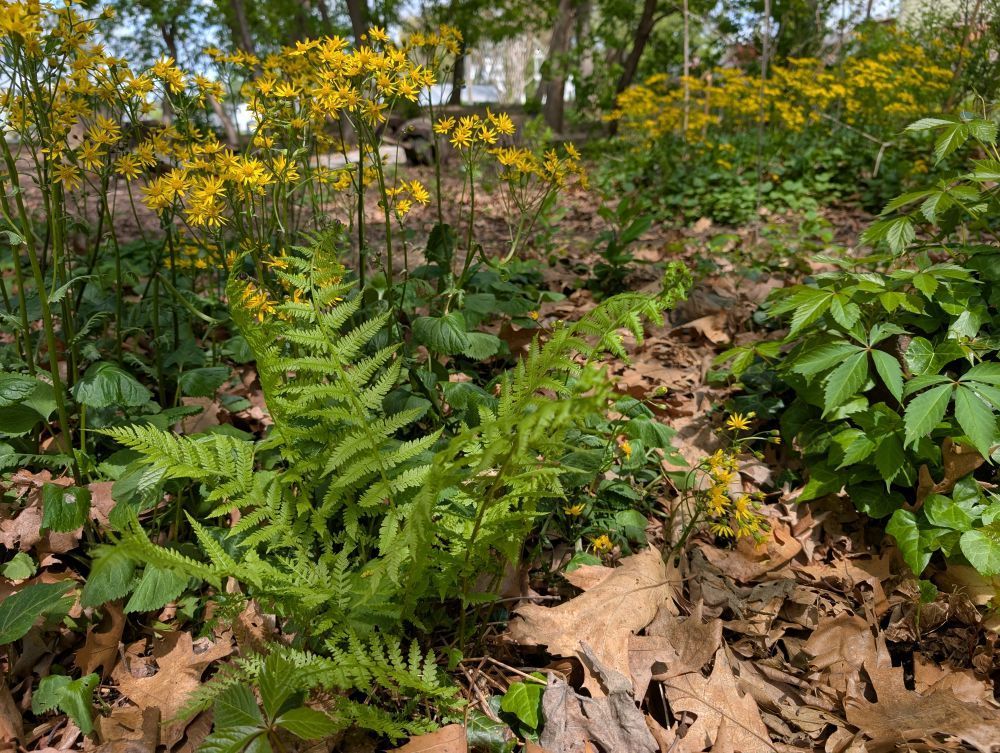
NeighborSpace holds a conservation easement on Volz Park, a 15.8-acre urban forest in Middle River donated in 2007 by Lydia and Charles Volz. Once part of the Volz family farm, the park is now permanently protected and open to the public. It features a rich diversity of native plants, including mature trees, ferns, shrubs, and spring ephemeral wildflowers.

Levickas Woods at Dunmore

Levickas Woods at Dunmore is a 6.7-acre protected forest in Catonsville, featuring mature oaks and beeches, wetlands, and a tributary of Herbert Run. The site provides important habitat for birds, deer, and other wildlife, while serving as a natural buffer and stormwater filter for the surrounding neighborhood. Donated as a conservation easement in 2014, the woods are permanently protected for their ecological value and recreational use. Local trails wind through the forest, offering residents a peaceful place to explore, while ongoing stewardship addresses erosion, invasive species, and habitat preservation.

Sawmill Branch

Sawmill Branch is an 11-acre wooded property in Catonsville that features steep slopes, wetlands, and a tributary of the Patapsco River known as Pierpont’s Run. The site holds historical significance with remnants of a 19th-century sawmill, gristmill, and a hand-built stone dam. Once remediated for contamination, the land is now used as passive open space and offers habitat for local wildlife while helping to preserve forest and stream buffers. Neighboring homes and proximity to Patapsco Valley State Park make it a valuable green space for both ecological conservation and community enjoyment.

Norman Creek

Norman Creek is a 4.5-acre wooded property in Essex that serves as a vital green buffer near the Chesapeake Bay and the Middle River Watershed. Located next to the Cottages at Norman Creek neighborhood, it offers mature forest, walking trails, and supports local stormwater management efforts. Though bordered by residential development, the site remains undeveloped and provides important ecological value as part of the Chesapeake Bay Critical Area. NeighborSpace protects this land to preserve open space, forest health, and habitat in a fast-growing suburban area.

Cherry Heights Woodland Garden (Forest Patch)

Cherry Heights Woodland Garden is a small, wooded open space located on Beech Avenue in Overlea, Baltimore County. Once part of a natural creek corridor, the site still supports mature trees and offers a quiet green buffer in a residential neighborhood. Community efforts are helping to address invasive plants like English ivy and prevent dumping, preserving the garden’s ecological value. Though small, this forest patch provides important habitat and a peaceful retreat for local residents.

Adelaide Bentley Park (Forest Patch)

Adelaide Bentley Park is located in Historic East Towson. NeighborSpace acquired the land in 2007 to preserve it as open space and named it after community leader Adelaide Bentley in 2013. The park features both upland and wetland habitats and a substantial and diverse tree canopy. Local groups have helped turn the park into a welcoming community space with native plants, a walking trail, and a performance stage, all stewarded by volunteers.

Recent Posts

September 29, 2026
9/29/2026 | Conor Harrington, Land Steward
September 29, 2026
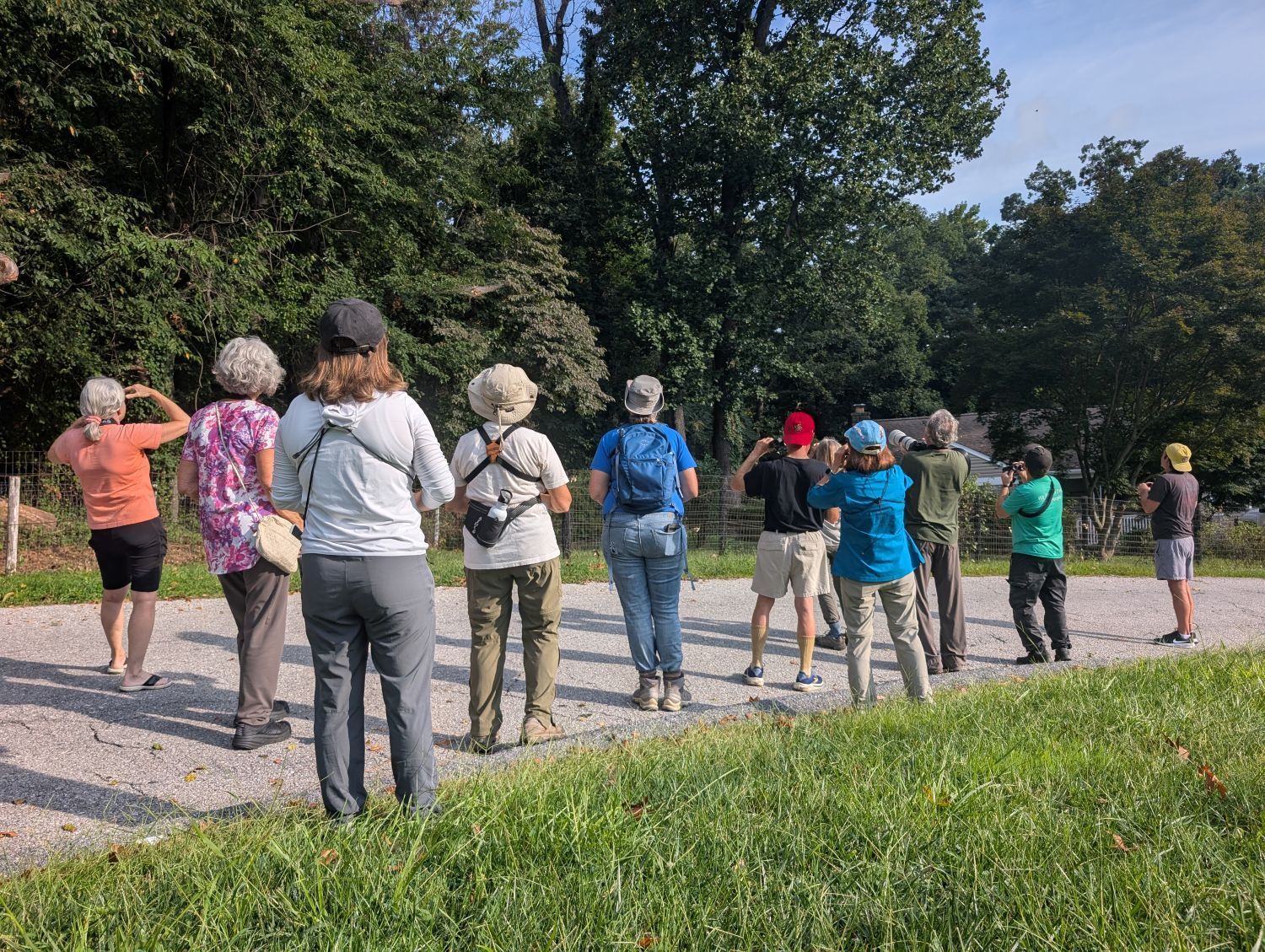
9/29/2026 | Will Kaselow, Community Conservation Manager
By Phyllis Joris • September 29, 2026
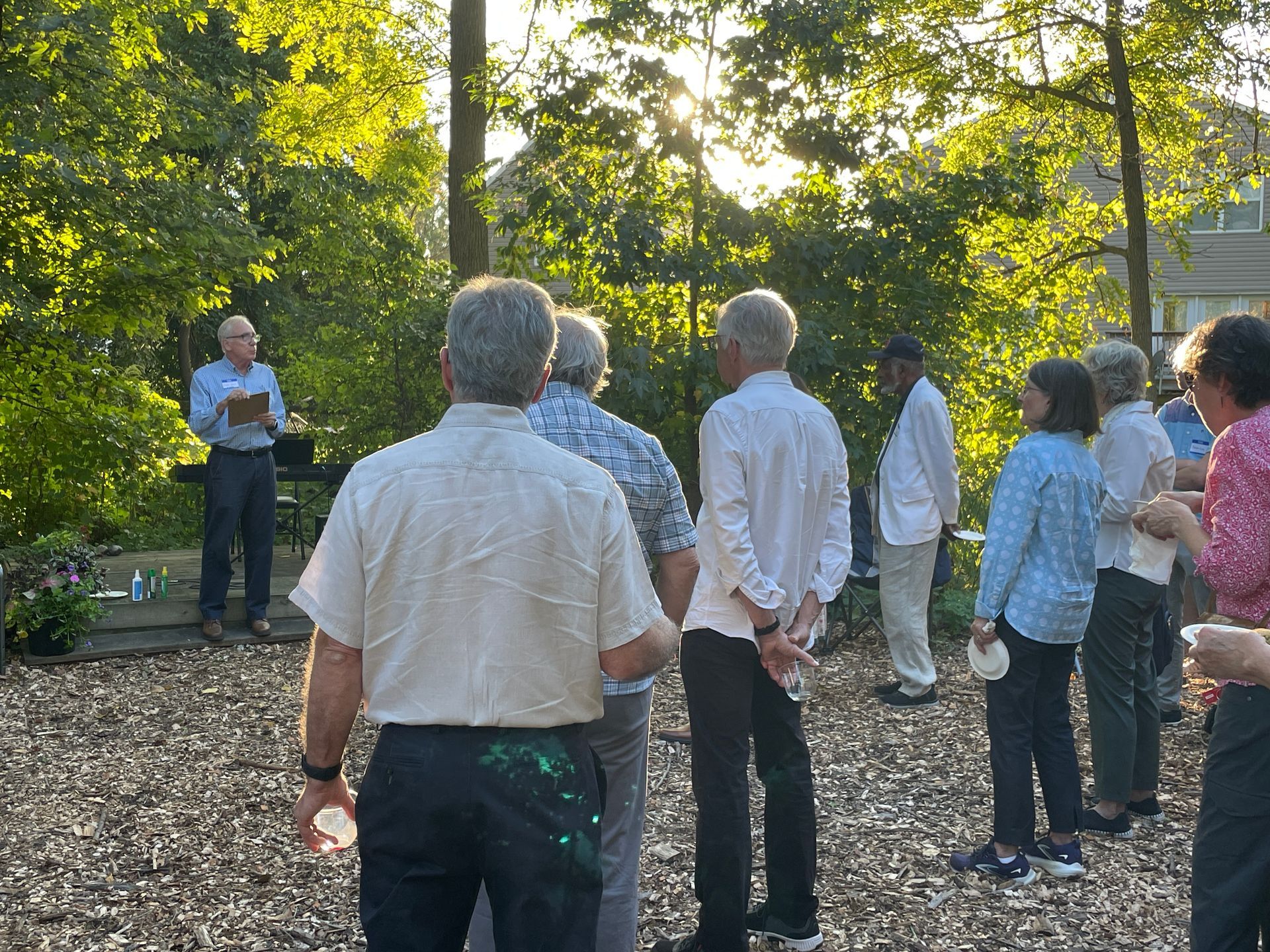
9/29/2026 | Phyllis Joris, Executive Director
By Phyllis Joris • September 29, 2026
9/29/2026 | Phyllis Joris, Executive Director
August 28, 2026
8/28/26 | Will Kaselow, Community Conservation Manager
August 28, 2026
8/28/2026 | Conor Harrington, Ashley Metzbower, and Katie Walsh
By Will Kaselow • July 29, 2026
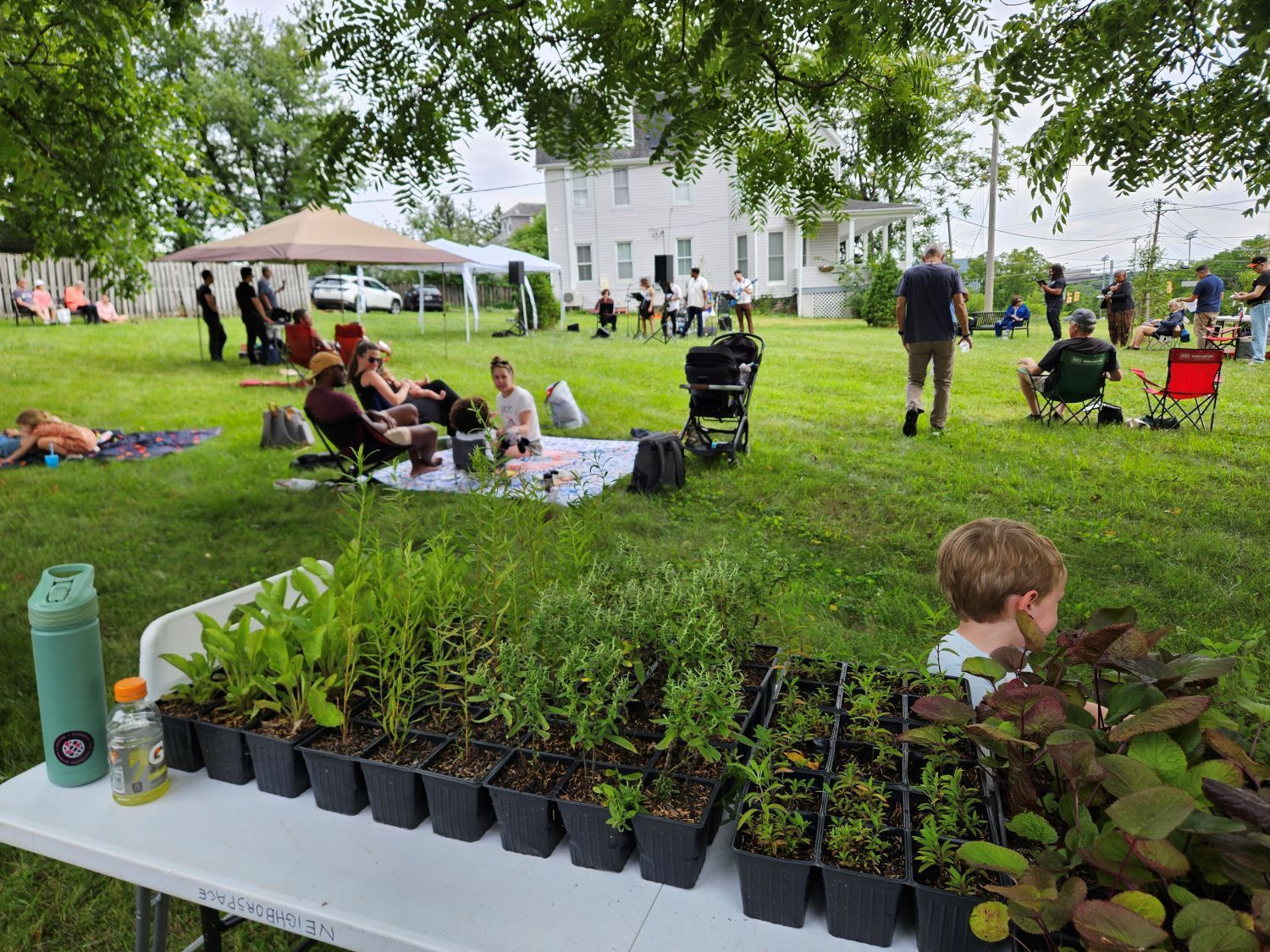
7/28/26 | Will Kaselow, Community Conservation Manager Thank you to everyone who came out to NeighborSpace’s final concert of the summer! After the original date was cancelled due to wildfire-related air pollution, we were able to quickly reschedule and ended up lucking into one of the most beautiful nights of the summer so far. We […]
By Phyllis Joris • July 29, 2026
7/29/2026 | Phyllis Joris, Executive Director Like many nonprofits, NeighborSpace operates on a fiscal year that runs July through June. This month, NeighborSpace staff and board members took stock of progress made in the past year and drafted a work plan for the coming year. More details will be provided in NeighborSpace’s Annual Report, which […]

By Carol Partonen • July 29, 2026
Thanks to donations from generous supporters like you, NeighborSpace was able to hire three interns this summer. We want to help young conservationists gain fieldwork and behind-the-scenes experience, and staff is grateful for the extra hands and minds! We introduced you to our stewardship interns last month.Now read on to meet our communications intern, Mykiah. […]
By Carol Partonen • July 28, 2026
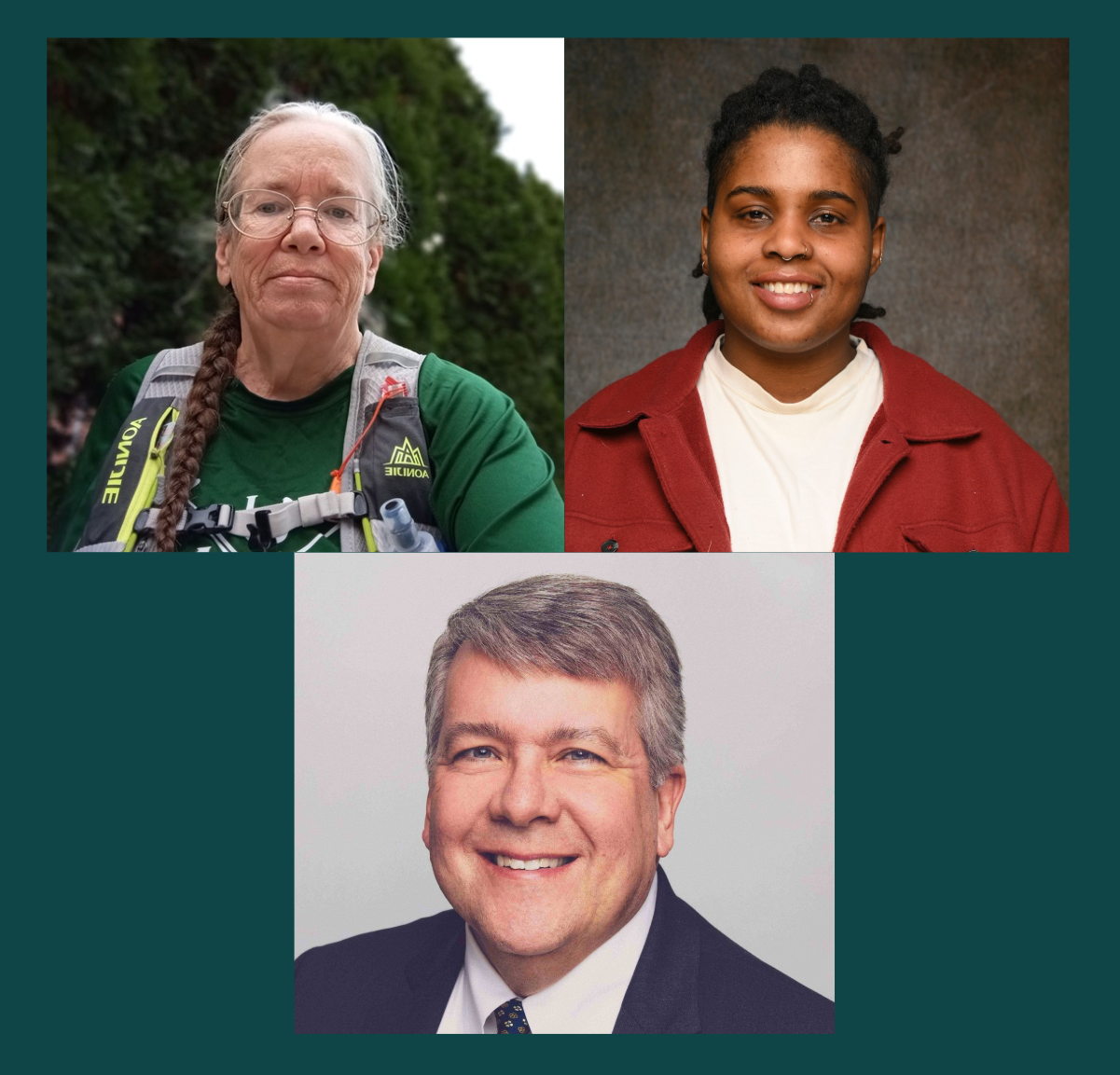
Barbara Waters While I grew up in Massachusetts and then spent 6 years in Northern Maine, I have now lived in Maryland for nearly 32 years. I had been involved in many things in the community, but that involvement really ramped up once the pandemic started. To combat isolation, I started walking daily, and have […]

Show More