
Share this article

Woodlawn History Tour

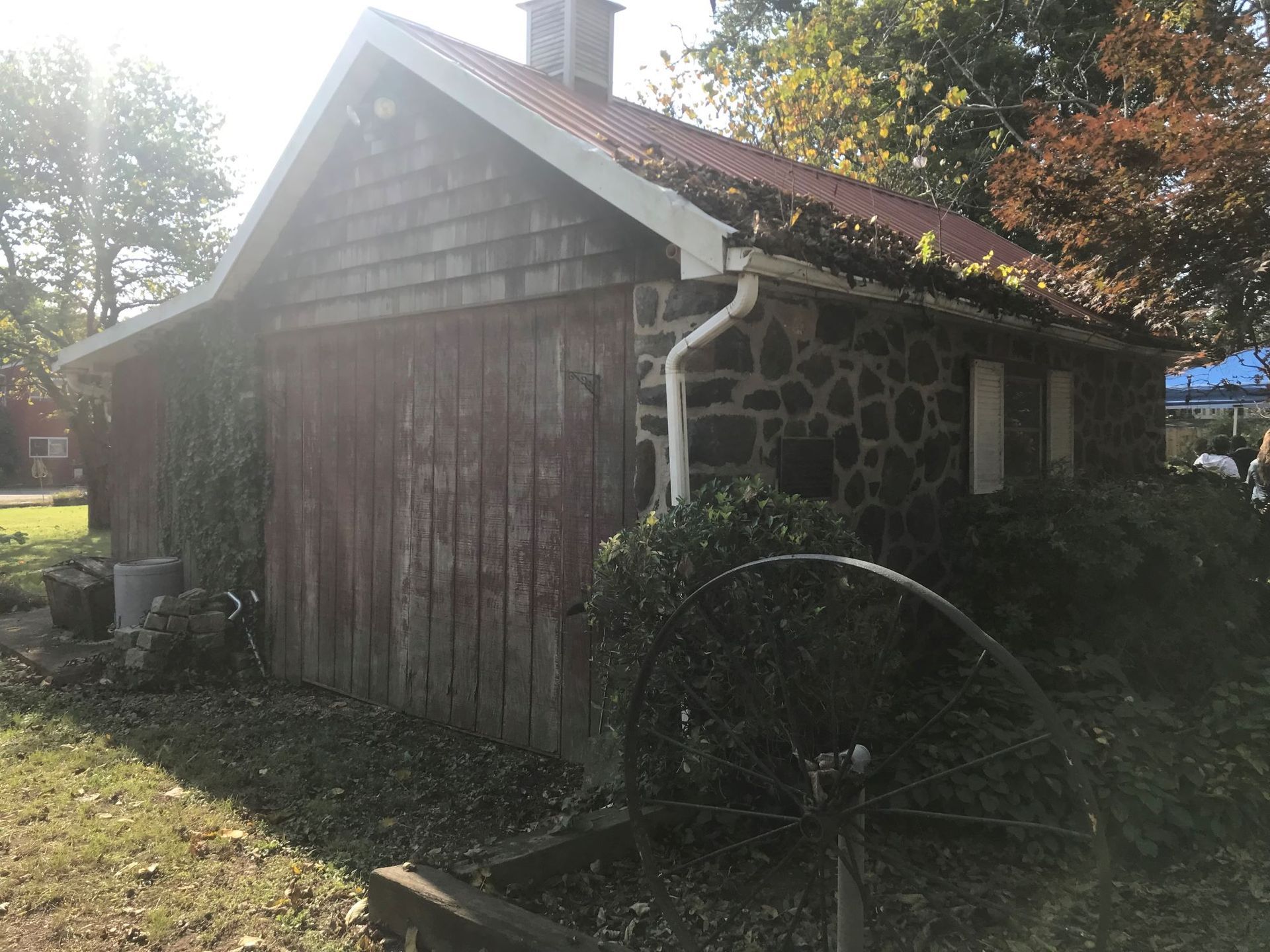
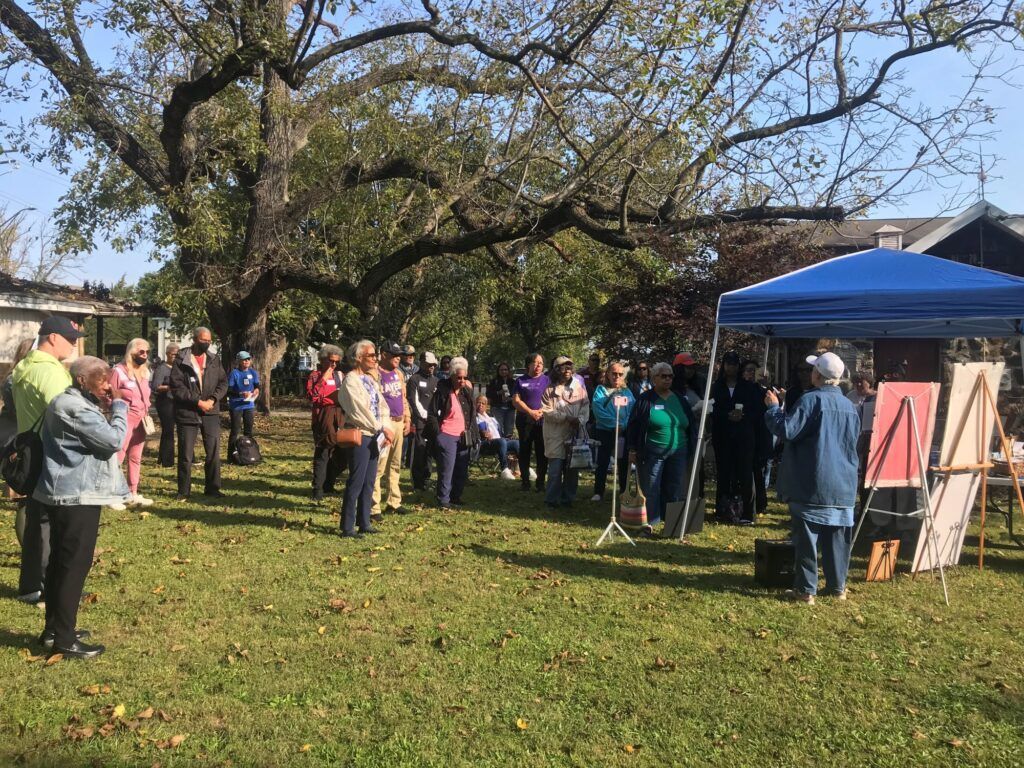
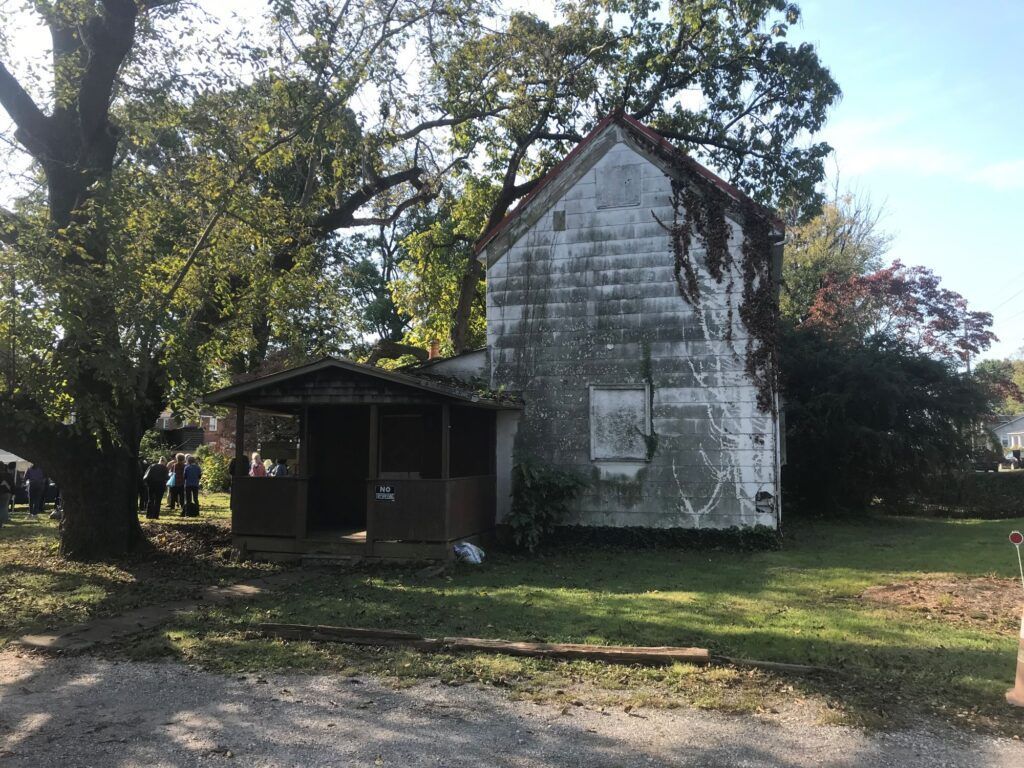
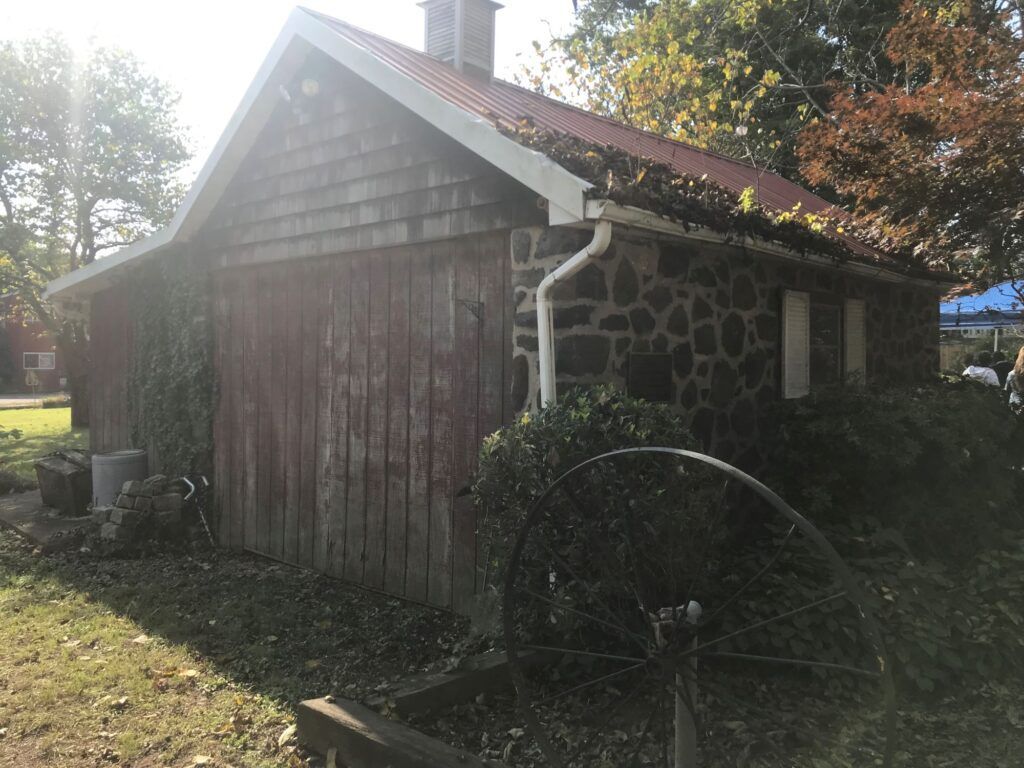
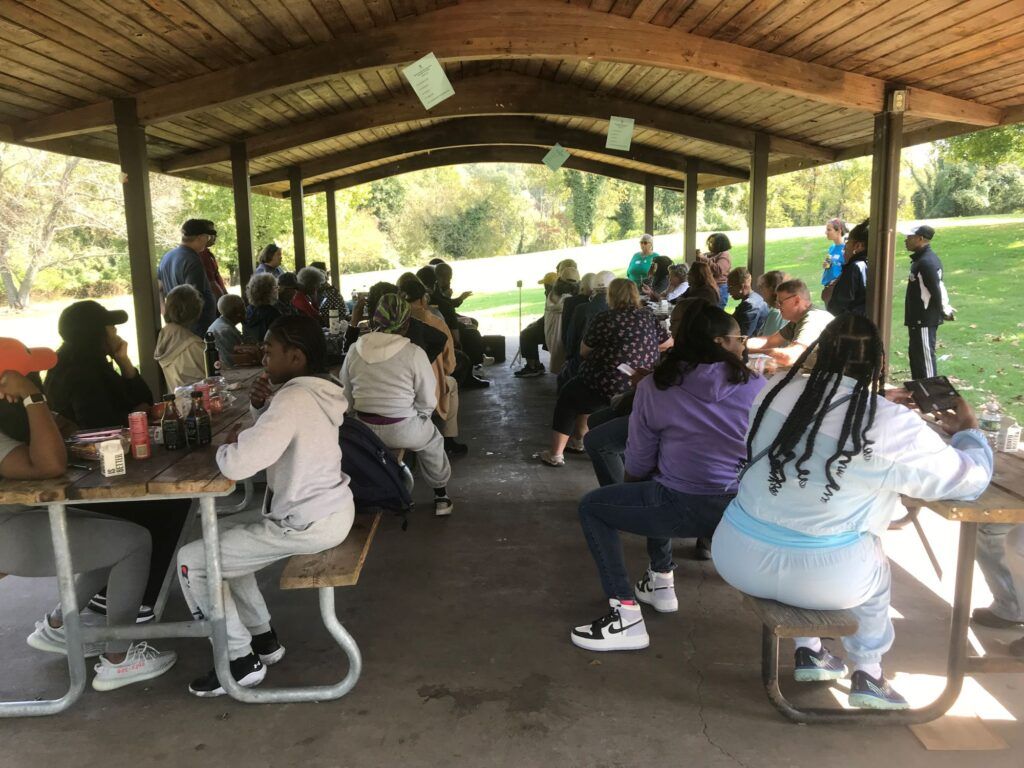
Early in the morning on Saturday, October 20th, more than 50 participants gathered at the Emmart-Pierpont Safe House on Rolling Rd, the first stop on NeighborSpace’s history tour of Woodlawn. Owner Shirley Supik shared a wealth of stories about the house and its previous owners.

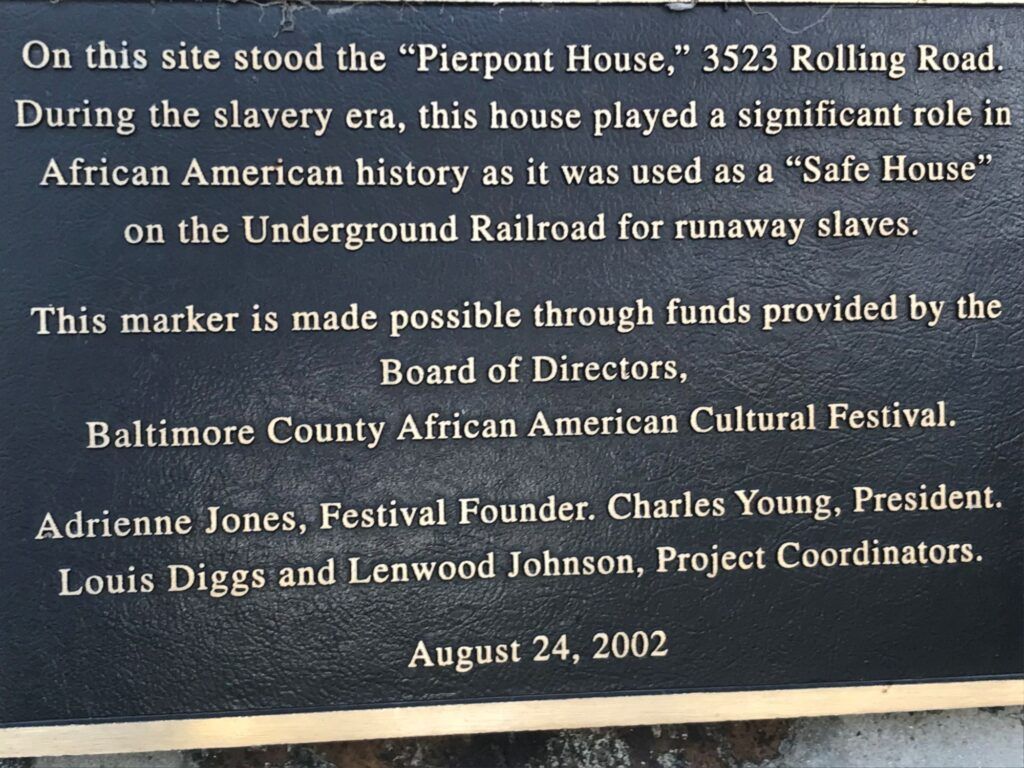
Built in 1791, withstanding every presidency within the country, the safe house was owned by a farmer and Underground Railroad stationmaster named Caleb Emmart. Emmart married a woman named Susannah Zimmerman, who was an abolitionist along with her sister Elizabeth and brother-in-law Nicholas Smith, a conductor on the Underground Railroad. In the 1800s, Emmart and his family opened their home, the present-day Emmart-Pierpont Safe House, to enslaved runaways who were seeking shelter before continuing their path to freedom. The Safe House became a Baltimore County Landmark in 2007. The Supiks are seeking funding to restore the house with hopes of welcoming students and visitors to learn about their local history.

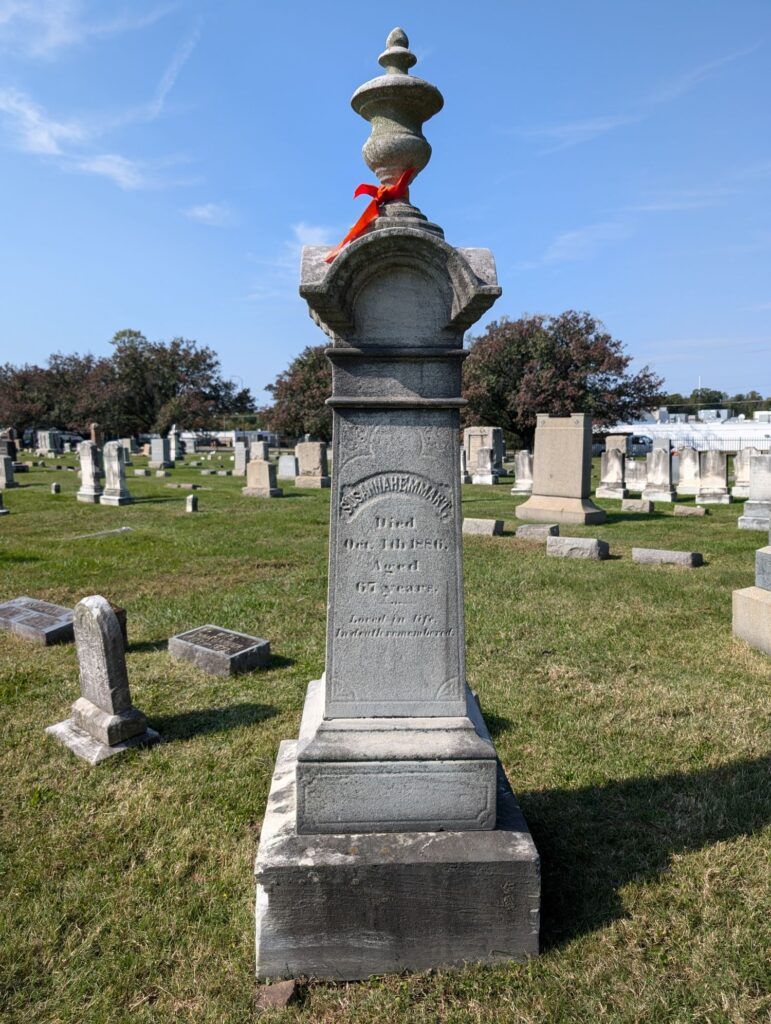
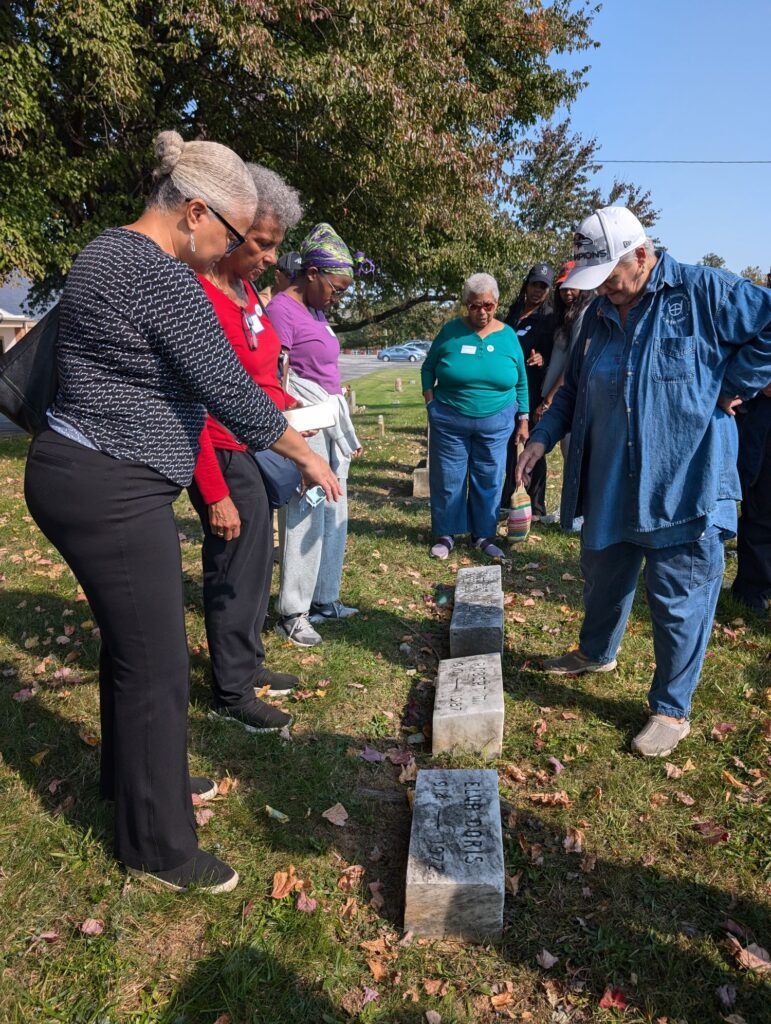
The bus then drove to Mt. Olive Cemetery, where, among others, the Emmart family are buried. Pictured is the grave of Susannah Emmart. 

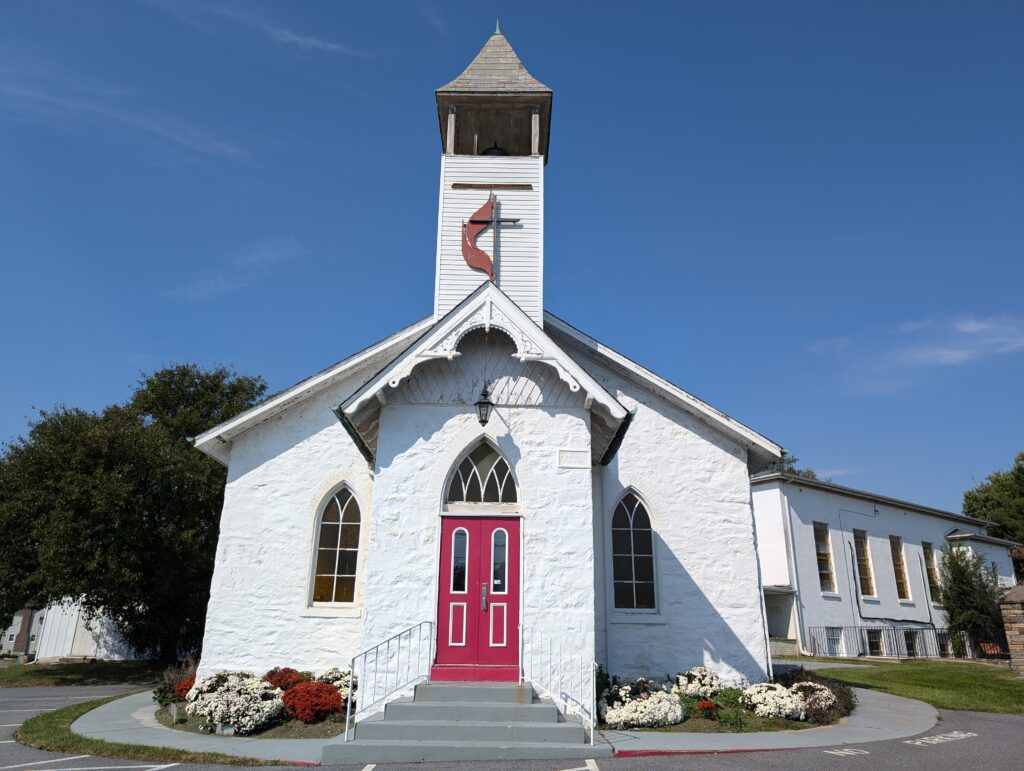
Next, the group stopped at Emmarts United Methodist Church, for which Caleb Emmart donated the land. It is said that the Church also served as a stop on the Underground Railroad.

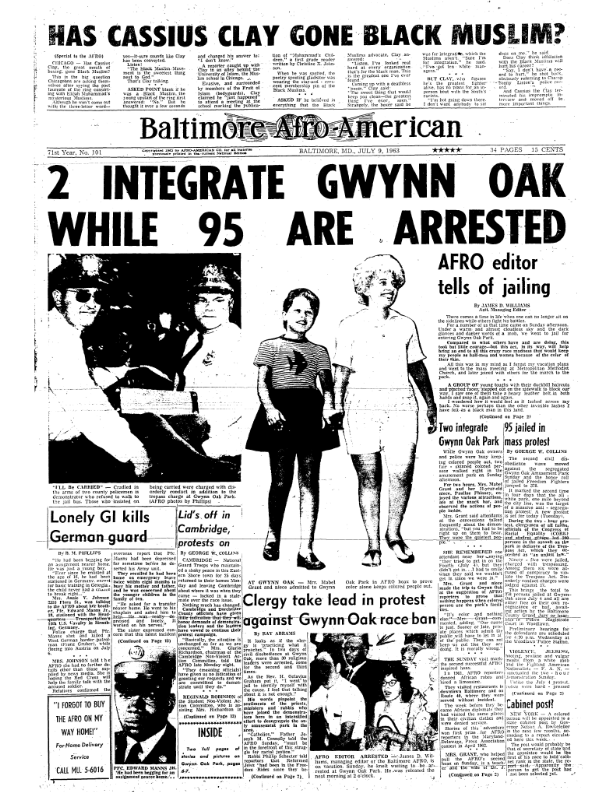
On the way to Gwynn Oak Park, community leader Dawn Seestedt shared the story of Mabel Grant, who lived on Dogwood Rd. Ms. Grant bravely integrated the then-segregated Gwynn Oak Amusement Park with her young niece, Lydia Phinney Wilkins, at the request of the AFRO newspaper.

Gwynn Oak Amusement Park brought in guests with fun attractions like bumper cars, a wooden roller coaster, a merry-go-round, and a giant ferris wheel. The park was very popular, did well financially, and was open for about 80 years. However, the park owners, the Price family, refused to desegregate. On July 4th, 1963, the protests of Gwynn Oak Amusement Park began. Protesters included activists, community leaders, church members and students. They were exposed to confrontation, abusive language, and assault; more than 300 were arrested. The protests soon received national attention and the Prices finally decided to desegregate the park. On August 28, 1963, Gwynn Oak opened its doors to people of all races.

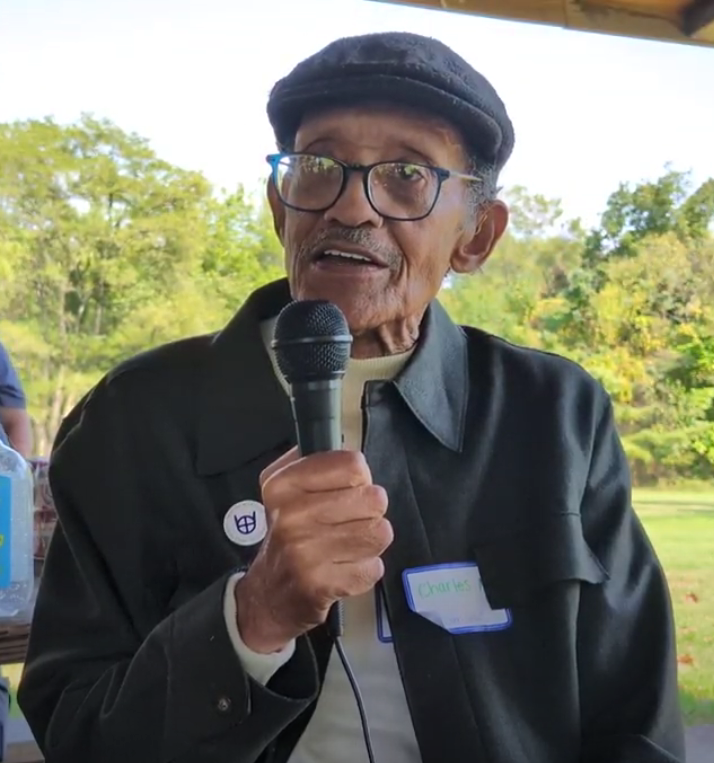
History tour participants had the opportunity to hear a first-hand account of the protests from Charles Mason, who was a Baltimore chapter leader for the Congress of Racial Equality (CORE). Mr. Mason also shared his experiences with racism while living in Baltimore and working at the Woodlawn Social Security offices as a young man.

After lunch, the tour group heard from Nancy Goldring, Bev Bickel, and David Truscello of the Baltimore County Lynching Memorial Project about their work. Nancy also shared some of the history of Historic East Towson and her vision for the Road to Freedom Trail being developed there.

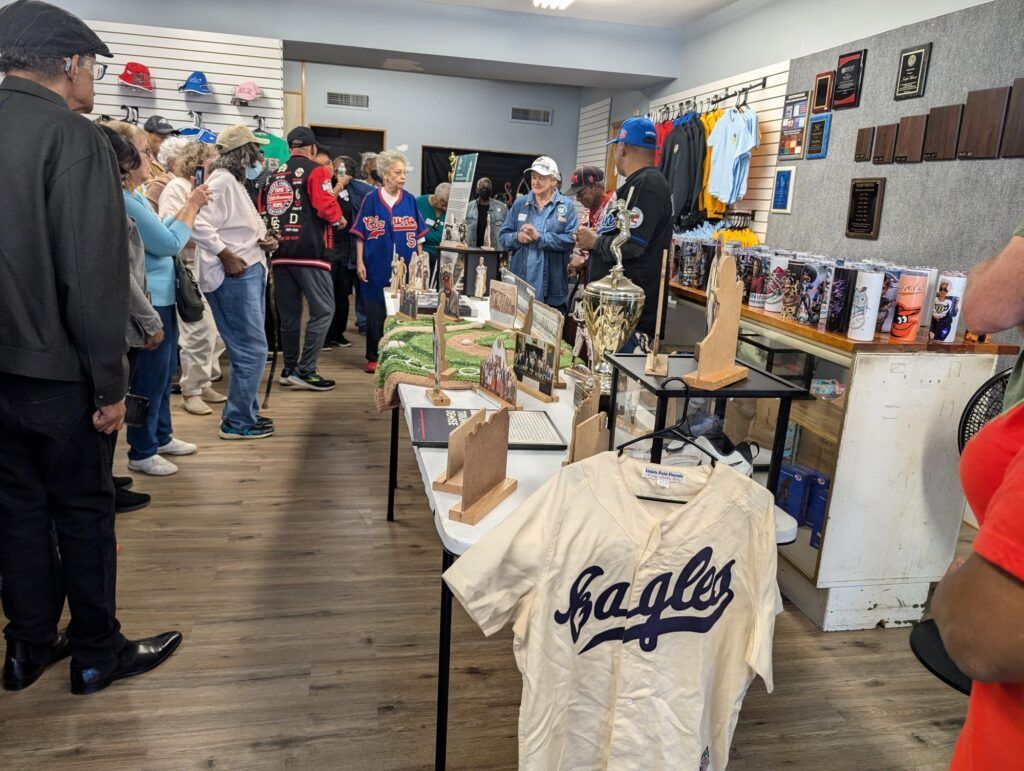
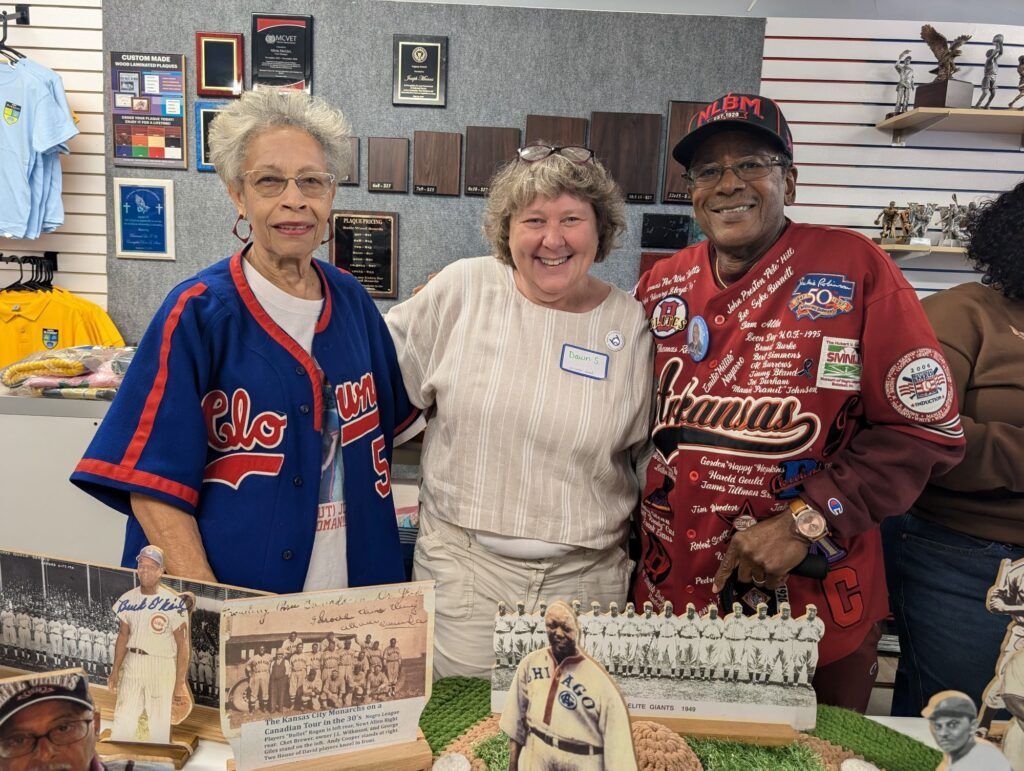
The final stop on the tour was Legacy Awards (formerly Joe Manns Awards) to visit a display set up by the Hubert V. Simmons Museum of Negro Leagues Baseball. The Negro Leagues in Woodlawn were part of the broader Negro League baseball system, providing Black athletes the opportunity to showcase their talent during segregation. These leagues played a key role in both the local community and the larger struggle for racial equality, helping pave the way for the integration of Major League Baseball. Co-founder Ray Banks and his colleagues presented information about women in the Negro Leagues and shared stories of individual players.

This history tour was made possible by an award from Maryland Humanities through its Marilyn Hatza Memorial Strengthening the Humanities Investment in Nonprofits for Equity (SHINE) Grant Program. NeighborSpace co-hosted a History Walk of Historic East Towson in June with the Northeast Towson Improvement Association and we are working with Turner Station Conservation Teams to plan a history tour in Turner Station for the spring of 2025.

NeighborSpace is developing a page on its website to host the information shared by community leaders during the Woodlawn History Tour. In the meantime, below are some resources with additional information.

Recent Posts

September 29, 2026
9/29/2026 | Conor Harrington, Land Steward
September 29, 2026
9/29/2026 | Will Kaselow, Community Conservation Manager
By Phyllis Joris • September 29, 2026
9/29/2026 | Phyllis Joris, Executive Director
By Phyllis Joris • September 29, 2026
9/29/2026 | Phyllis Joris, Executive Director
August 28, 2026
8/28/26 | Will Kaselow, Community Conservation Manager
August 28, 2026
8/28/2026 | Conor Harrington, Ashley Metzbower, and Katie Walsh
By Will Kaselow • July 29, 2026
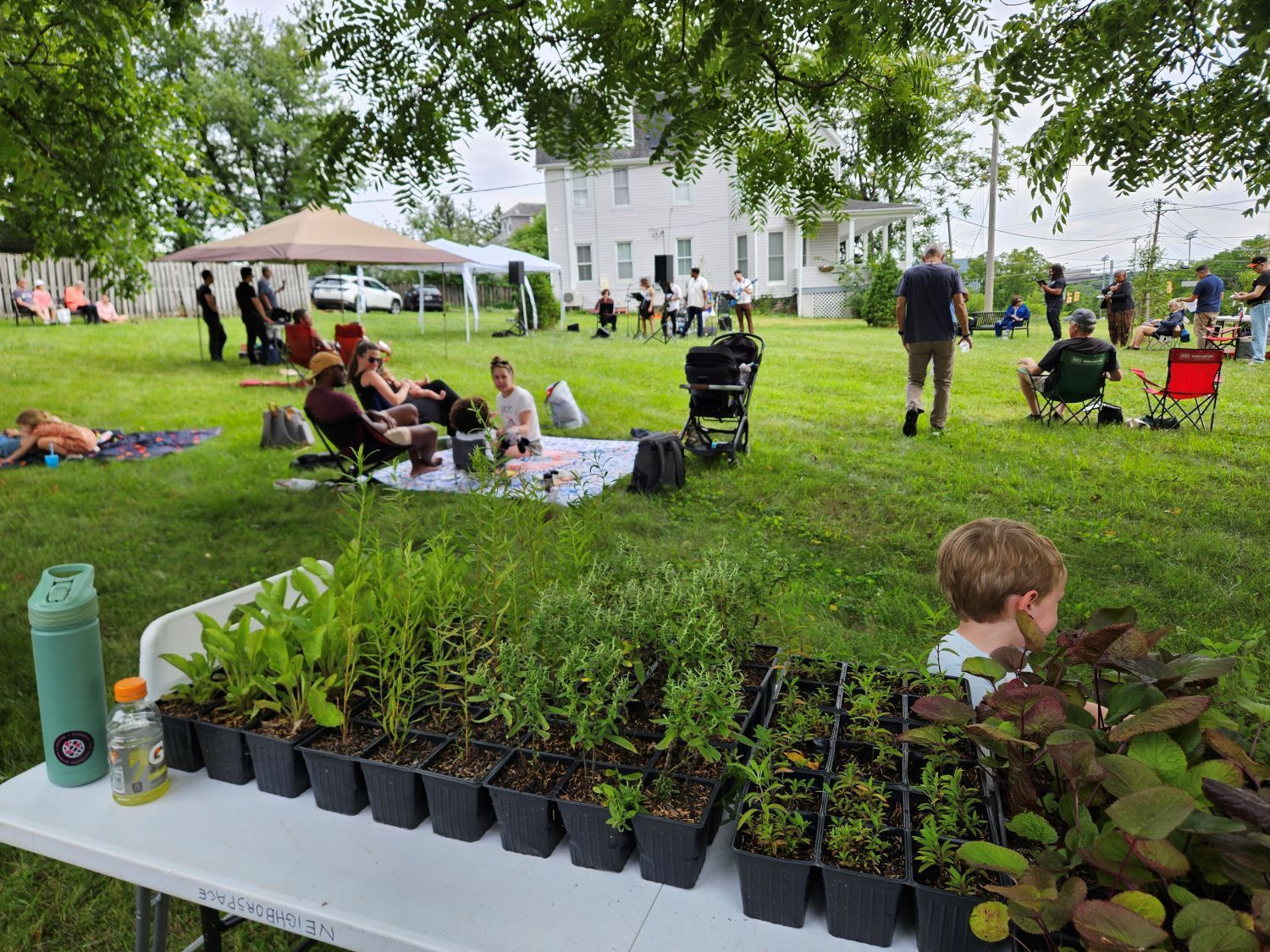
7/28/26 | Will Kaselow, Community Conservation Manager Thank you to everyone who came out to NeighborSpace’s final concert of the summer! After the original date was cancelled due to wildfire-related air pollution, we were able to quickly reschedule and ended up lucking into one of the most beautiful nights of the summer so far. We […]
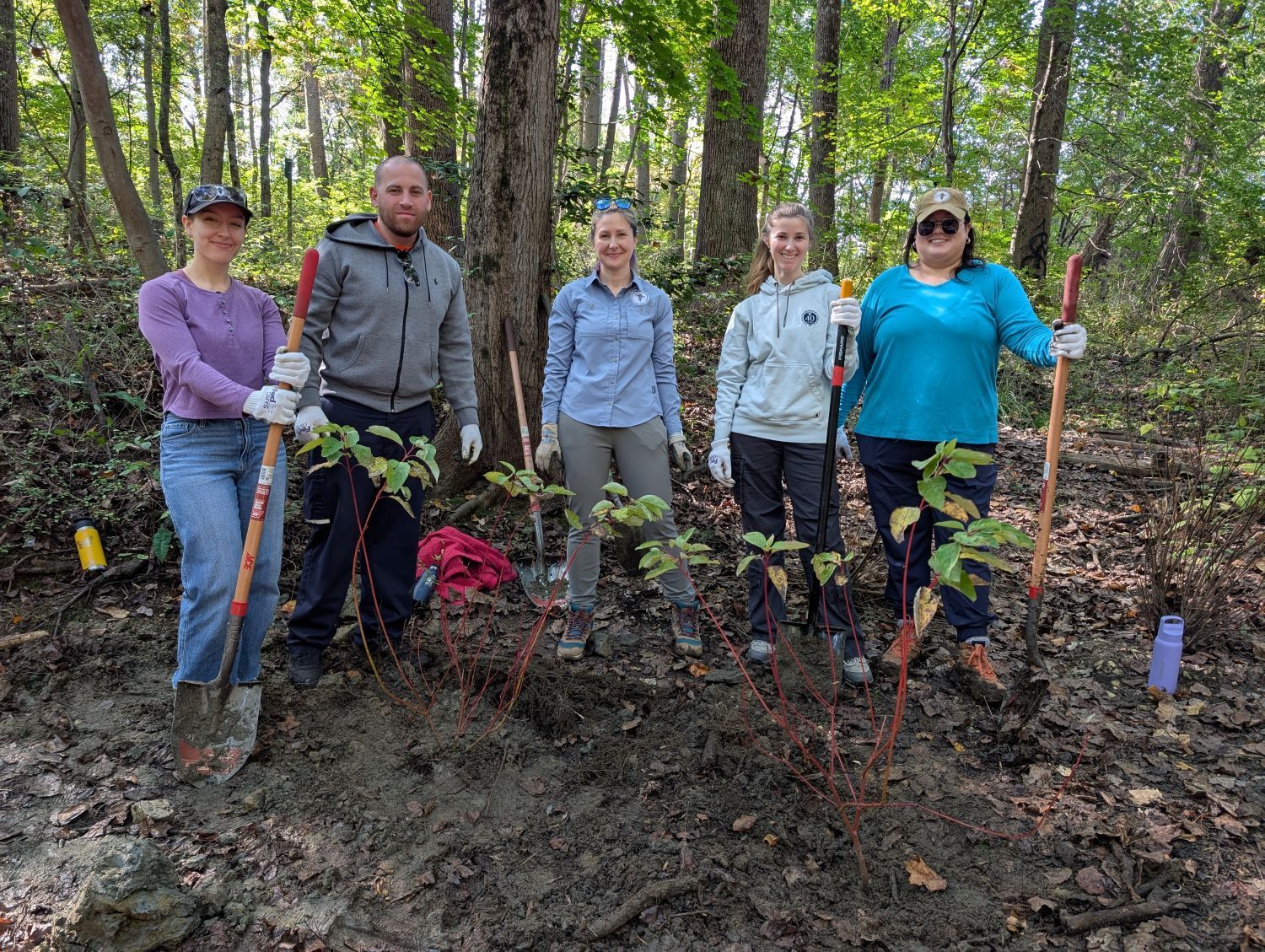
By Phyllis Joris • July 29, 2026
7/29/2026 | Phyllis Joris, Executive Director Like many nonprofits, NeighborSpace operates on a fiscal year that runs July through June. This month, NeighborSpace staff and board members took stock of progress made in the past year and drafted a work plan for the coming year. More details will be provided in NeighborSpace’s Annual Report, which […]
By Carol Partonen • July 29, 2026
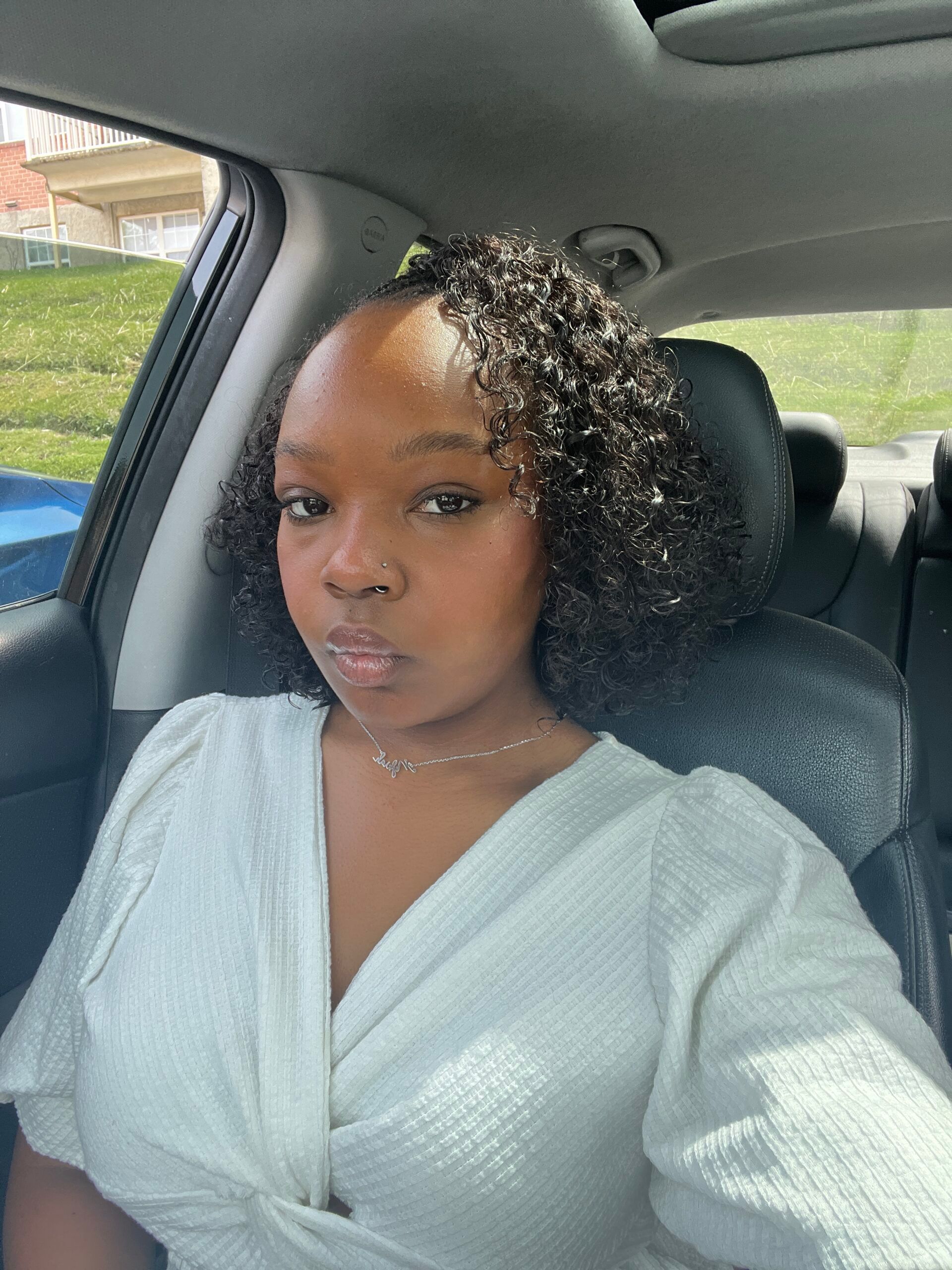
Thanks to donations from generous supporters like you, NeighborSpace was able to hire three interns this summer. We want to help young conservationists gain fieldwork and behind-the-scenes experience, and staff is grateful for the extra hands and minds! We introduced you to our stewardship interns last month.Now read on to meet our communications intern, Mykiah. […]
By Carol Partonen • July 28, 2026
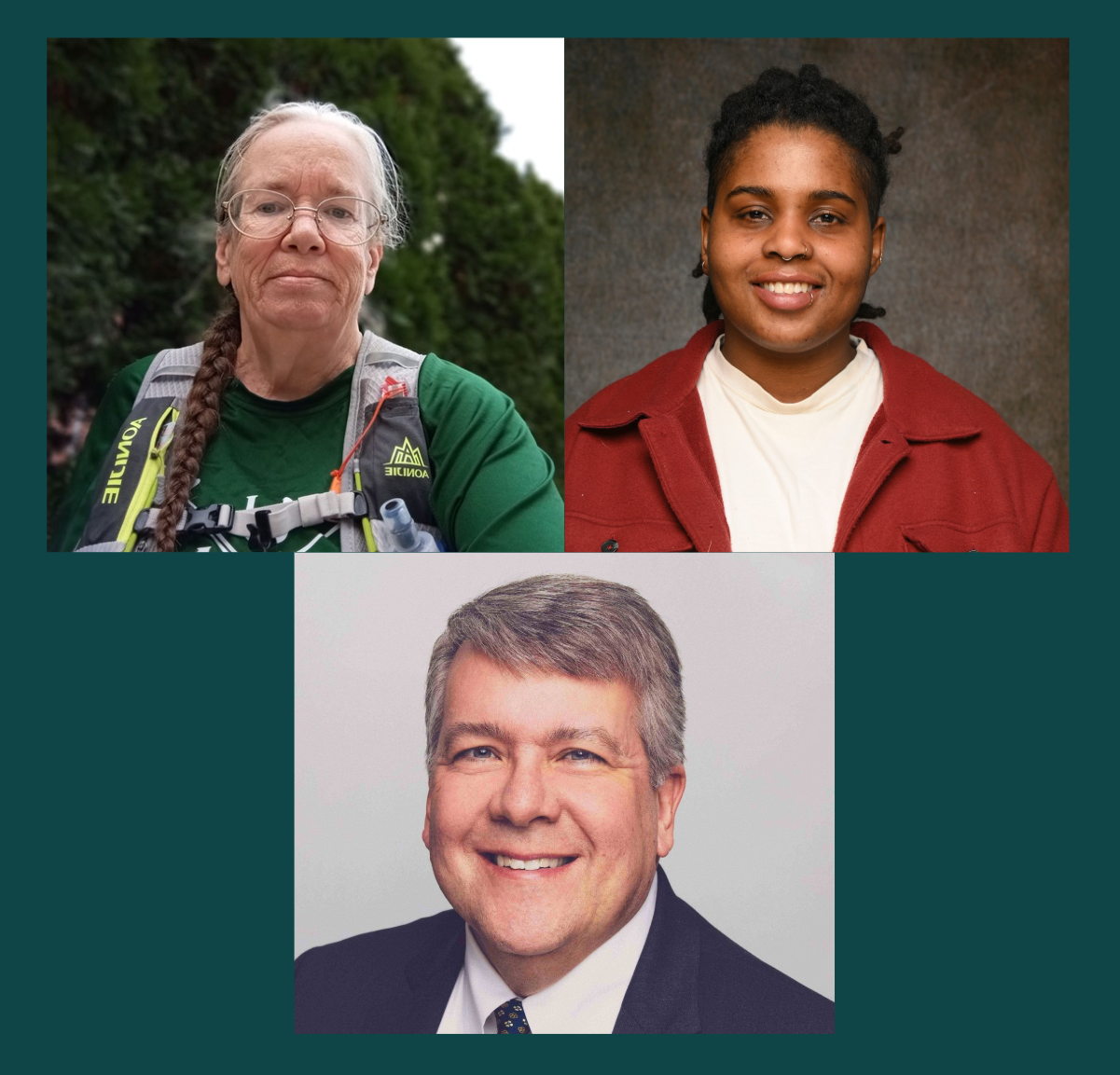
Barbara Waters While I grew up in Massachusetts and then spent 6 years in Northern Maine, I have now lived in Maryland for nearly 32 years. I had been involved in many things in the community, but that involvement really ramped up once the pandemic started. To combat isolation, I started walking daily, and have […]

Show More