
Share this article

Volz Park: A Healthy Forest Ecosystem

Tucked away in a small corner off of Pulaski Highway, NeighborSpace’s Volz Park is an oasis of biodiversity.  The 14 acres are home to mature trees, fields of ferns, stands of spicebush and pepperbush, rushes, cattails, and a variety of spring wildflowers.

At NeighborSpace, we monitor the health of all our parks, considering factors like diversity of flora and fauna and stream health.  We look for areas of concern that can be remedied through restoration efforts, such as invasive species pressure and streambank erosion.  

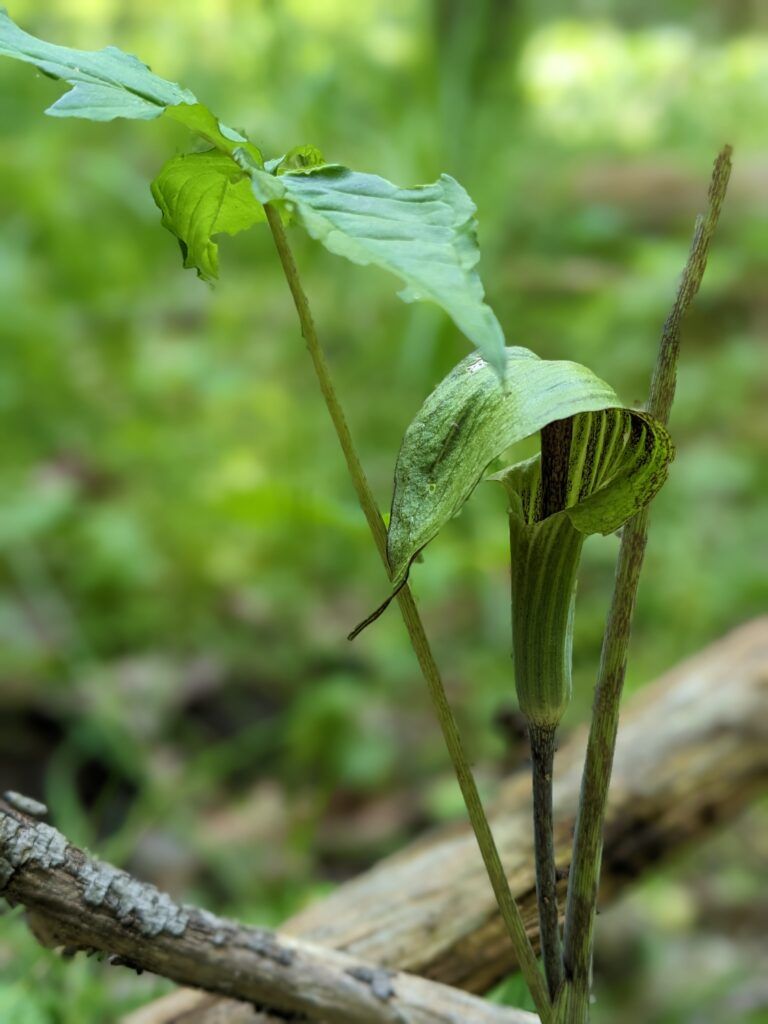
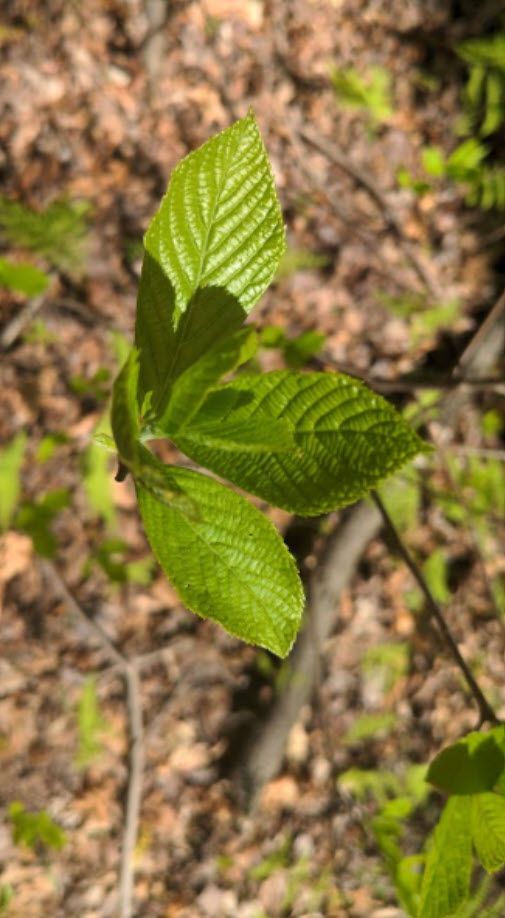
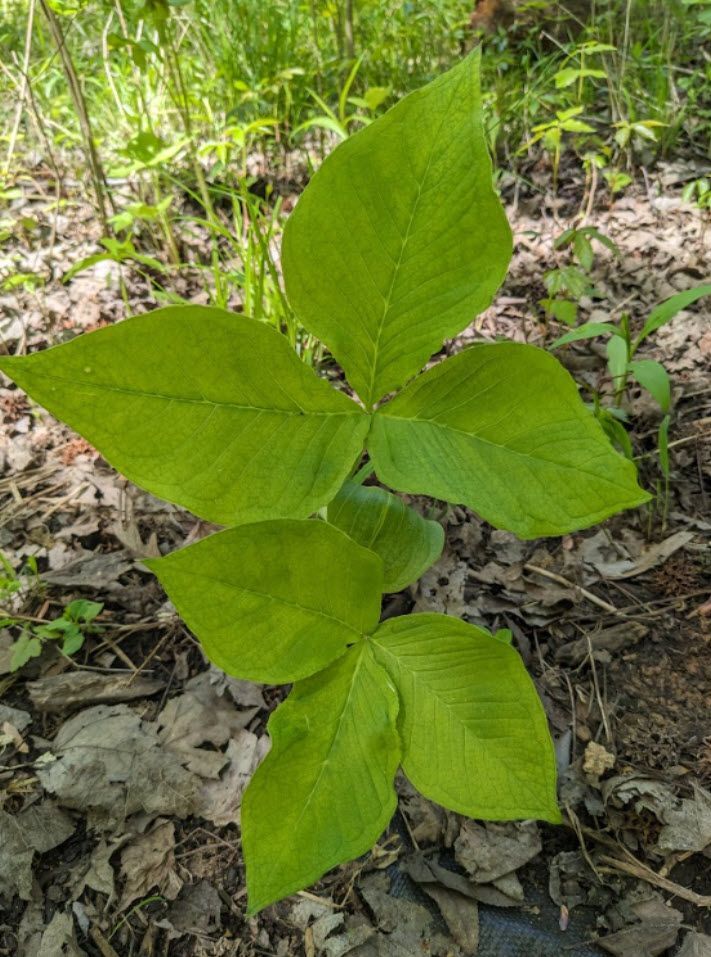
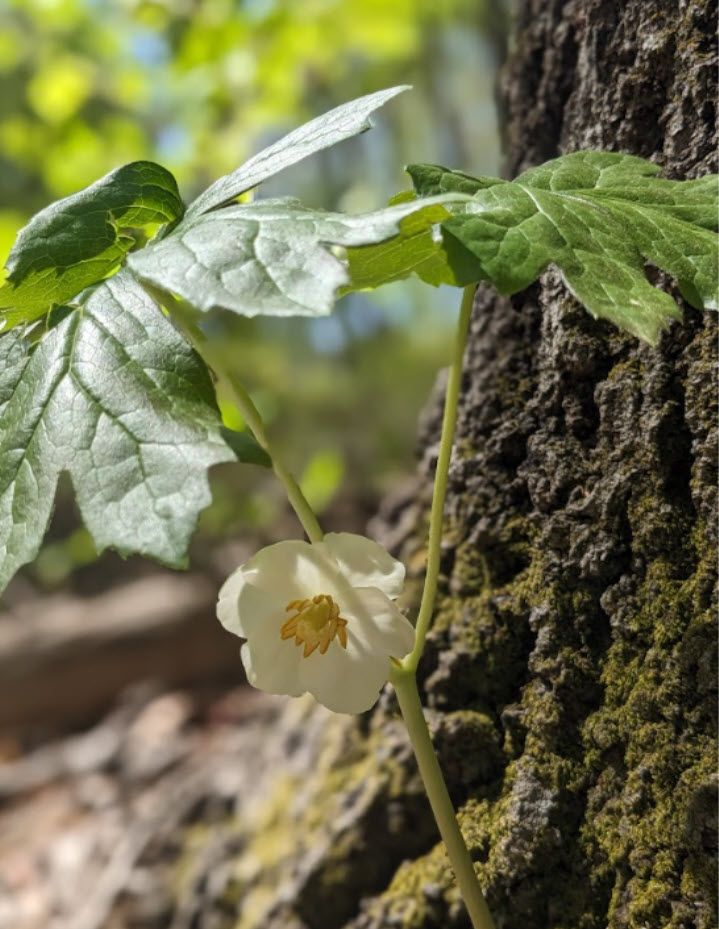
Jack-in-the-pulpit, Arisaema triphyllum and Sweet pepperbush, Clethra alnifolia

The U.S. Fish and Wildlife Service identifies four components of a healthy forest:

  1. Rich plant and animal life – A diversity of species from all five kingdoms of life, including microorganisms and fungi is a sign of a functioning food web that can cycle water and nutrients.  Healthy forests have a variety of trees, as well as understory shrubs and groundcover.
  2. A diversity of habitats – Wildlife have different habitat needs.  Some birds prefer the tree canopy and some the understory.  Some plants need wet conditions, others dry.  A forest with a range of habitats can support a larger range of species.
  3. Trees of different sizes and ages – Presence of trees of different sizes and ages indicates that the succession of the forest is functioning.  When older trees die, the midstory and sapling trees can take their place.  Old trees decay, providing food for decomposers and returning nutrients to the soil.  Even standing dead trees, called snags, provide habitat.
  4. Clean water – A healthy forest has uncontaminated water that can support aquatic species.  Grasses and shrubs are present to filter rainwater and stabilize stream banks to prevent erosion.

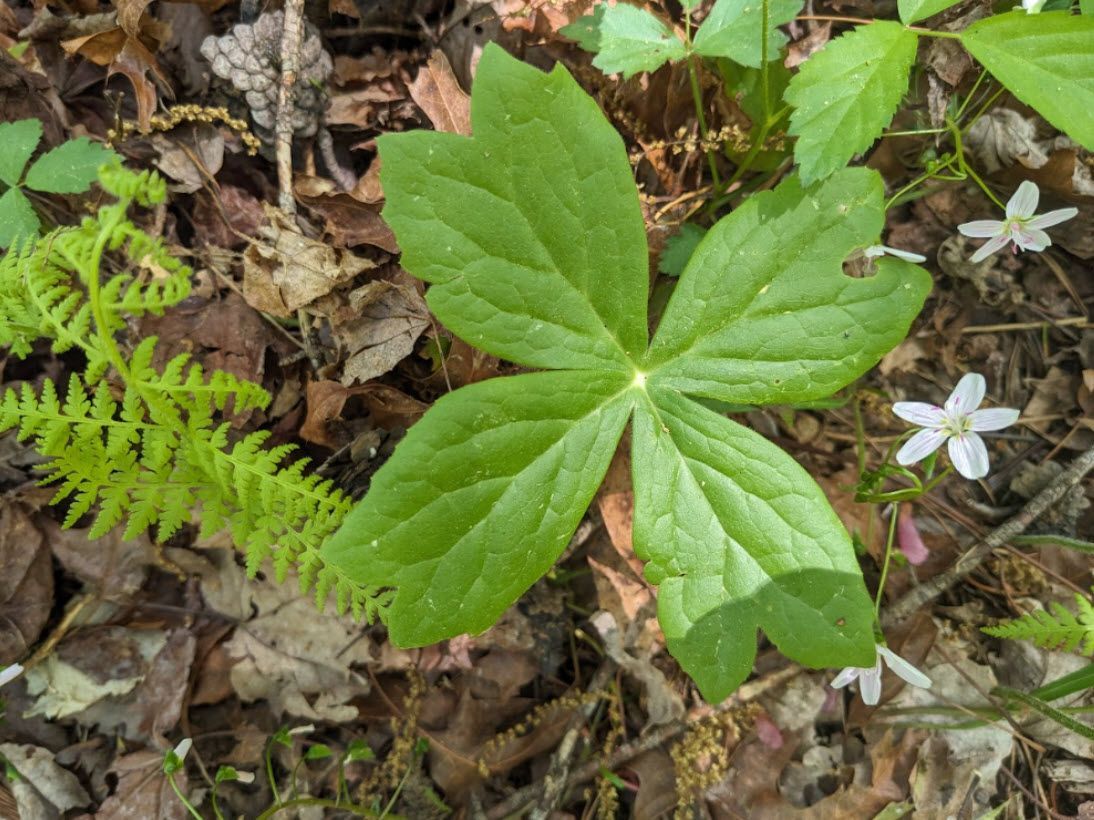
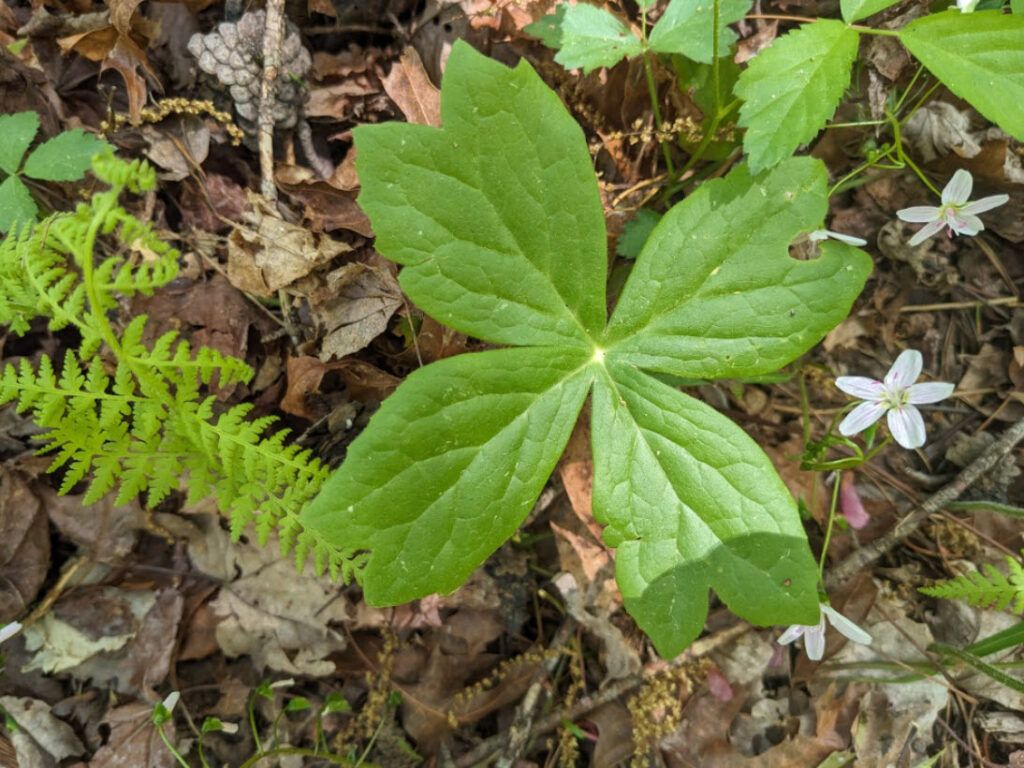
Mayapple, Podophyllum peltatum and spring beauties, Claytonia virginica ; America jumpseed, Persicaria virginiana

Volz Park is a healthy, functioning urban forest ecosystem with a range of species, trees of various ages, and a robust understory and active forest floor.  Additionally, the park has a low presence of invasive species and deer browse.  Eager to share this space with the wider community, NeighborSpace has recently partnered with the Baltimore Bird Club and the Natural History Society of Maryland’s Herpetology Club to host walks in Volz Park.

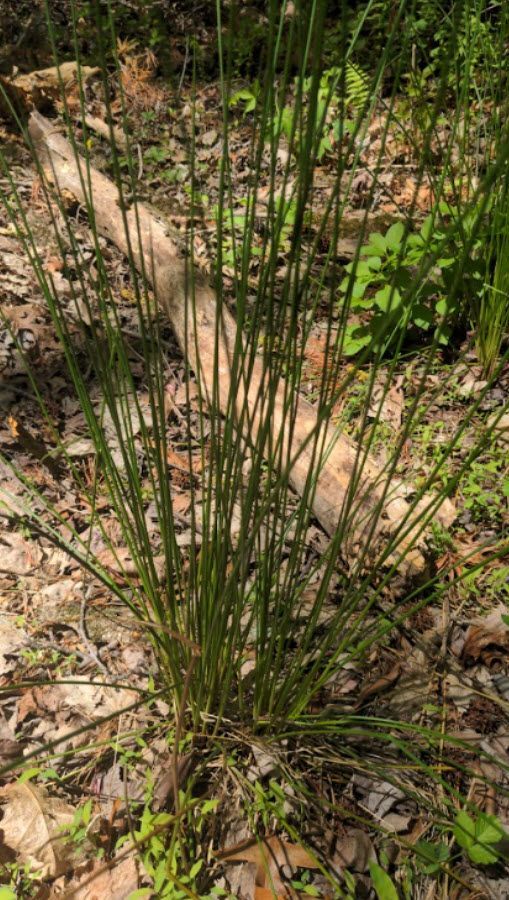
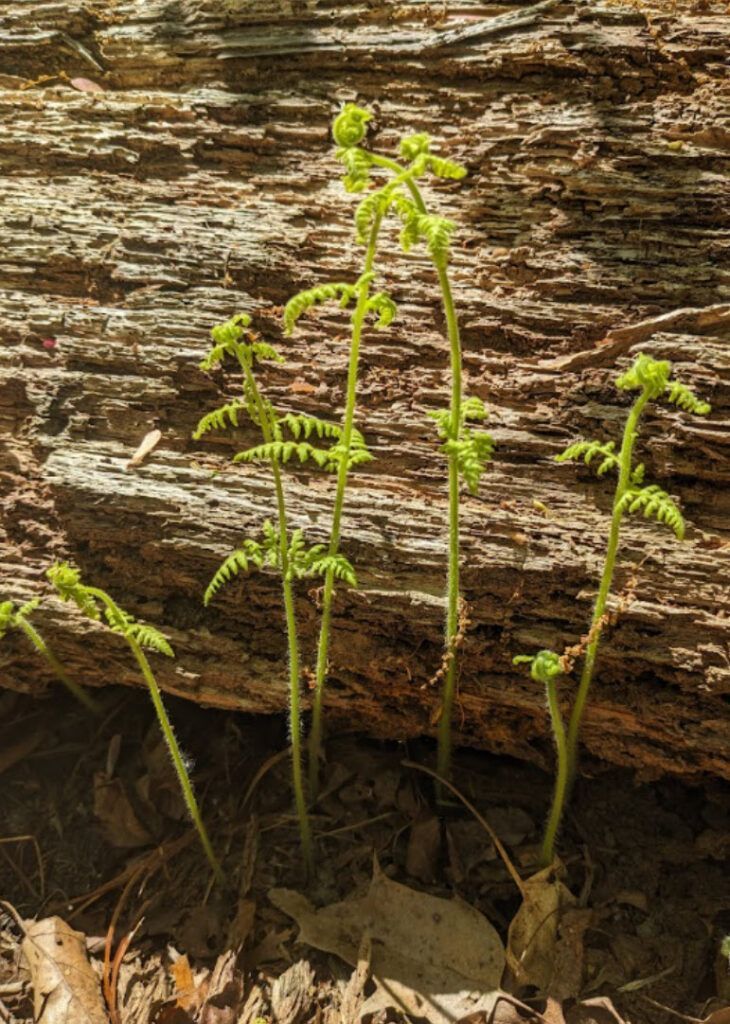
Soft rush, Juncus effusus, growing in moist ravine and Fern fiddleheads

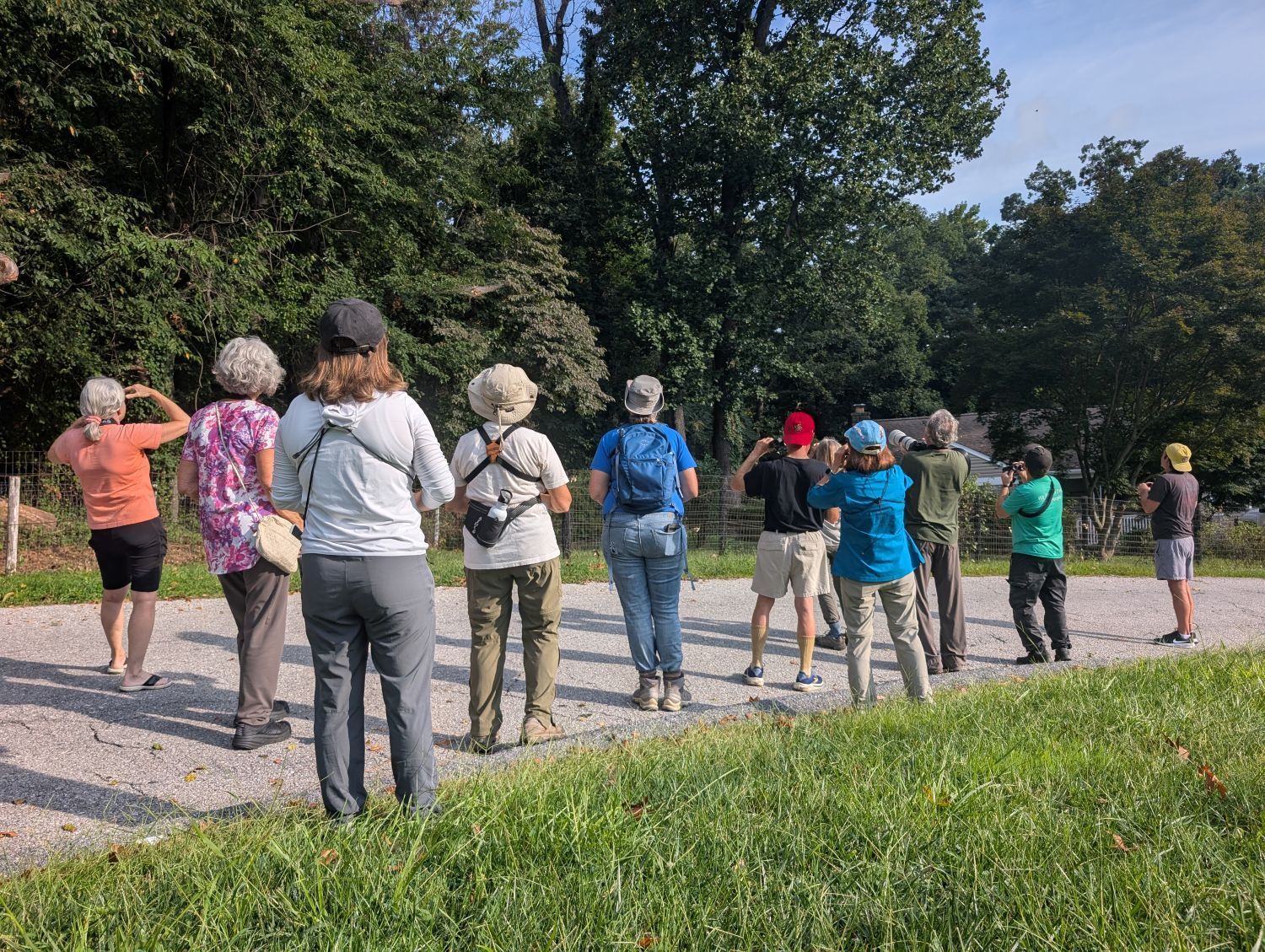
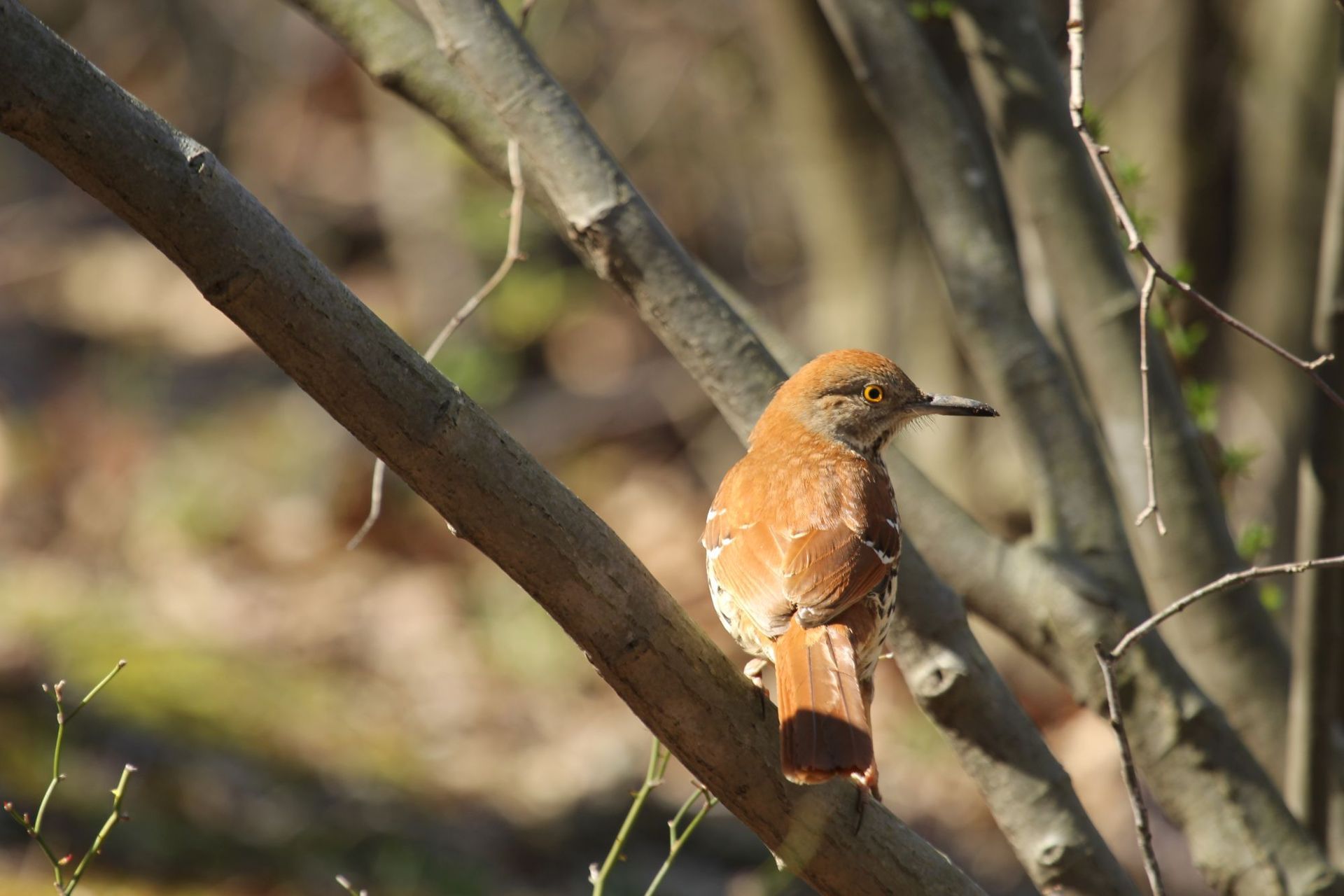
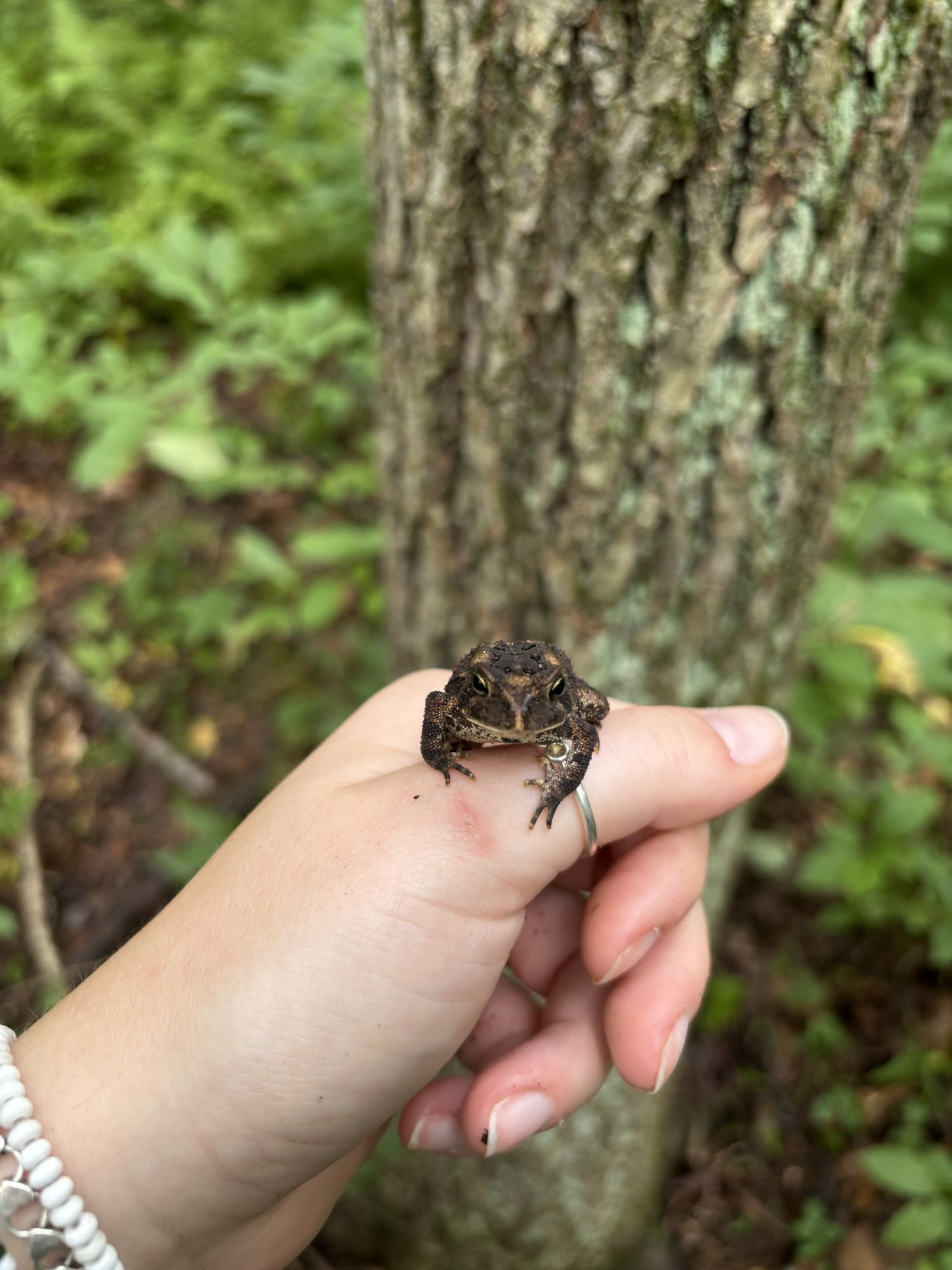
A morning bird walk with the Baltimore Bird Club revealed that Volz is home to at least 13 species of migratory and year-round warblers.  The Herpetology Club was excited to find many wood frogs and spring peeper froglets (young frogs that have recently transitioned from tadpoles) in the park’s vernal pools and moist trenches.  The club is planning another visit this fall and next spring to do another survey of amphibians and reptiles.

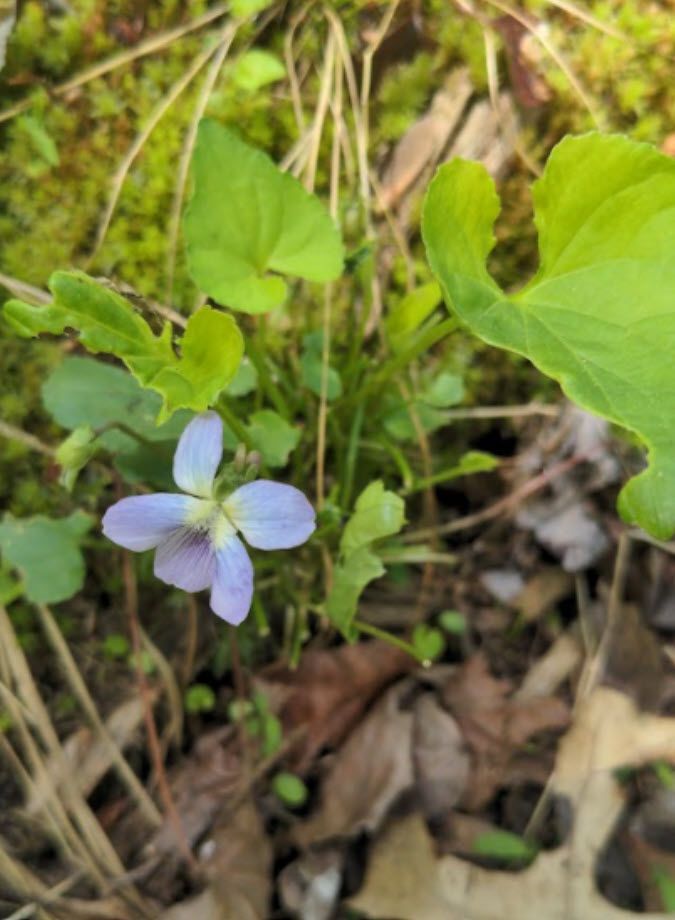
Native violet growing on forest floor and Mayapple, Podophyllum peltatum

Recent Posts

September 29, 2026
9/29/2026 | Conor Harrington, Land Steward
September 29, 2026
9/29/2026 | Will Kaselow, Community Conservation Manager
By Phyllis Joris • September 29, 2026
9/29/2026 | Phyllis Joris, Executive Director
By Phyllis Joris • September 29, 2026
9/29/2026 | Phyllis Joris, Executive Director
August 28, 2026
8/28/26 | Will Kaselow, Community Conservation Manager
August 28, 2026
8/28/2026 | Conor Harrington, Ashley Metzbower, and Katie Walsh
By Will Kaselow • July 29, 2026
7/28/26 | Will Kaselow, Community Conservation Manager Thank you to everyone who came out to NeighborSpace’s final concert of the summer! After the original date was cancelled due to wildfire-related air pollution, we were able to quickly reschedule and ended up lucking into one of the most beautiful nights of the summer so far. We […]
By Phyllis Joris • July 29, 2026
7/29/2026 | Phyllis Joris, Executive Director Like many nonprofits, NeighborSpace operates on a fiscal year that runs July through June. This month, NeighborSpace staff and board members took stock of progress made in the past year and drafted a work plan for the coming year. More details will be provided in NeighborSpace’s Annual Report, which […]

By Carol Partonen • July 29, 2026
Thanks to donations from generous supporters like you, NeighborSpace was able to hire three interns this summer. We want to help young conservationists gain fieldwork and behind-the-scenes experience, and staff is grateful for the extra hands and minds! We introduced you to our stewardship interns last month.Now read on to meet our communications intern, Mykiah. […]

By Carol Partonen • July 28, 2026
Barbara Waters While I grew up in Massachusetts and then spent 6 years in Northern Maine, I have now lived in Maryland for nearly 32 years. I had been involved in many things in the community, but that involvement really ramped up once the pandemic started. To combat isolation, I started walking daily, and have […]

Show More