Share this article

Because NeighborSpace’s conservation goals address both social and environmental needs, each of our sites provides a space for humans to connect with each other and with nature while also providing habitat for local wildlife. Some of our sites, however, are especially valuable because they provide habitat to sensitive species and are important for local water quality.

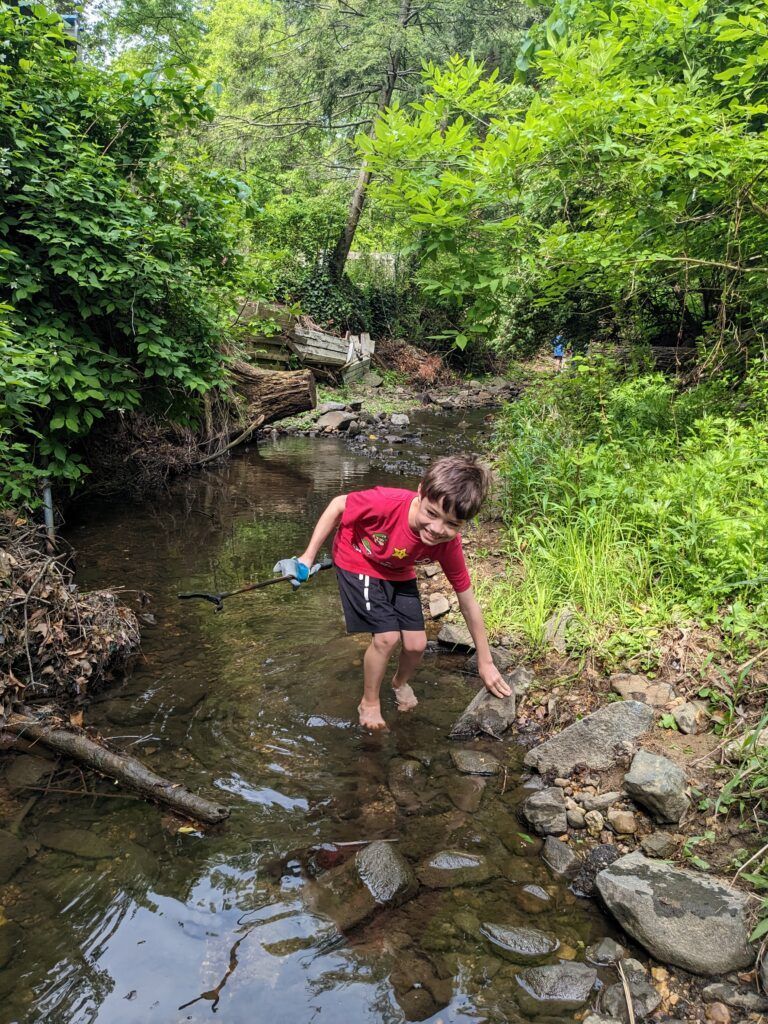
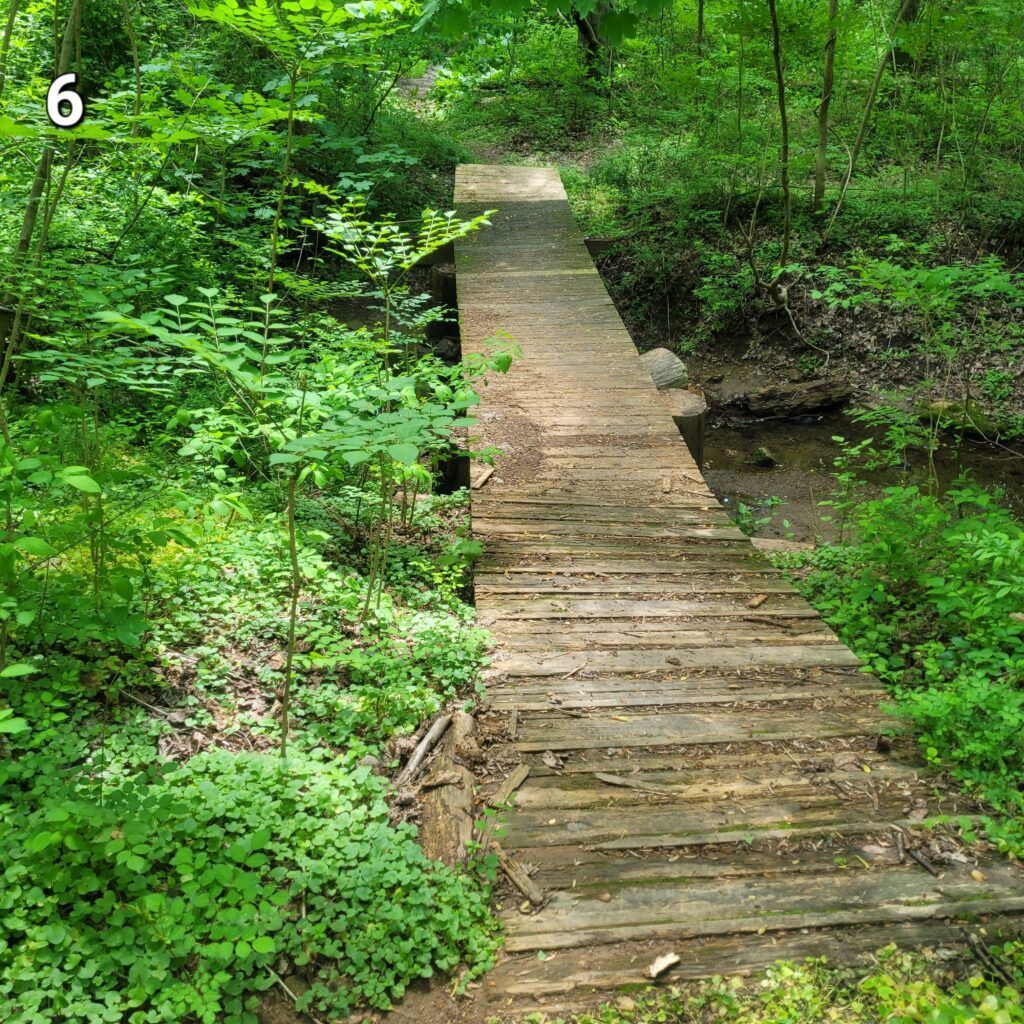
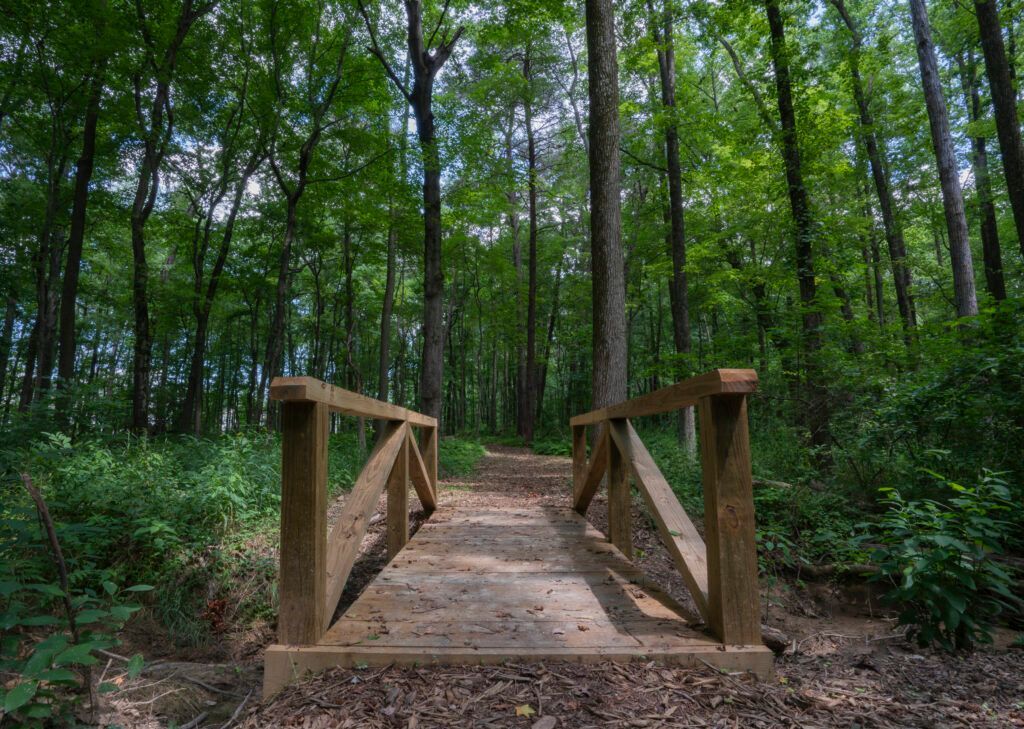
Per the US Department of Agriculture, a riparian forest buffer is “an area adjacent to a stream, lake, or wetland that contains a combination of trees, shrubs, and/or other perennial plants and is managed differently from the surrounding landscape, primarily to provide conservation benefits”. Such buffers can help meet a number of natural resource, economic, and social objectives, including: filtering nutrients and sediment from stormwater runoff; providing shade, shelter and food for aquatic organisms; providing wildlife habitat and corridors for terrestrial organisms; protecting downstream communities from flood damage; and creating recreational spaces. Several NeighborSpace sites serve as riparian forest buffers, but three of them are traversed both by a stream and heavily used walking paths: Levickas Woods in Catonsville, Tollgate Wyndham Preserve in Owings Mills, and Volz Neighborhood Park in Middle River.

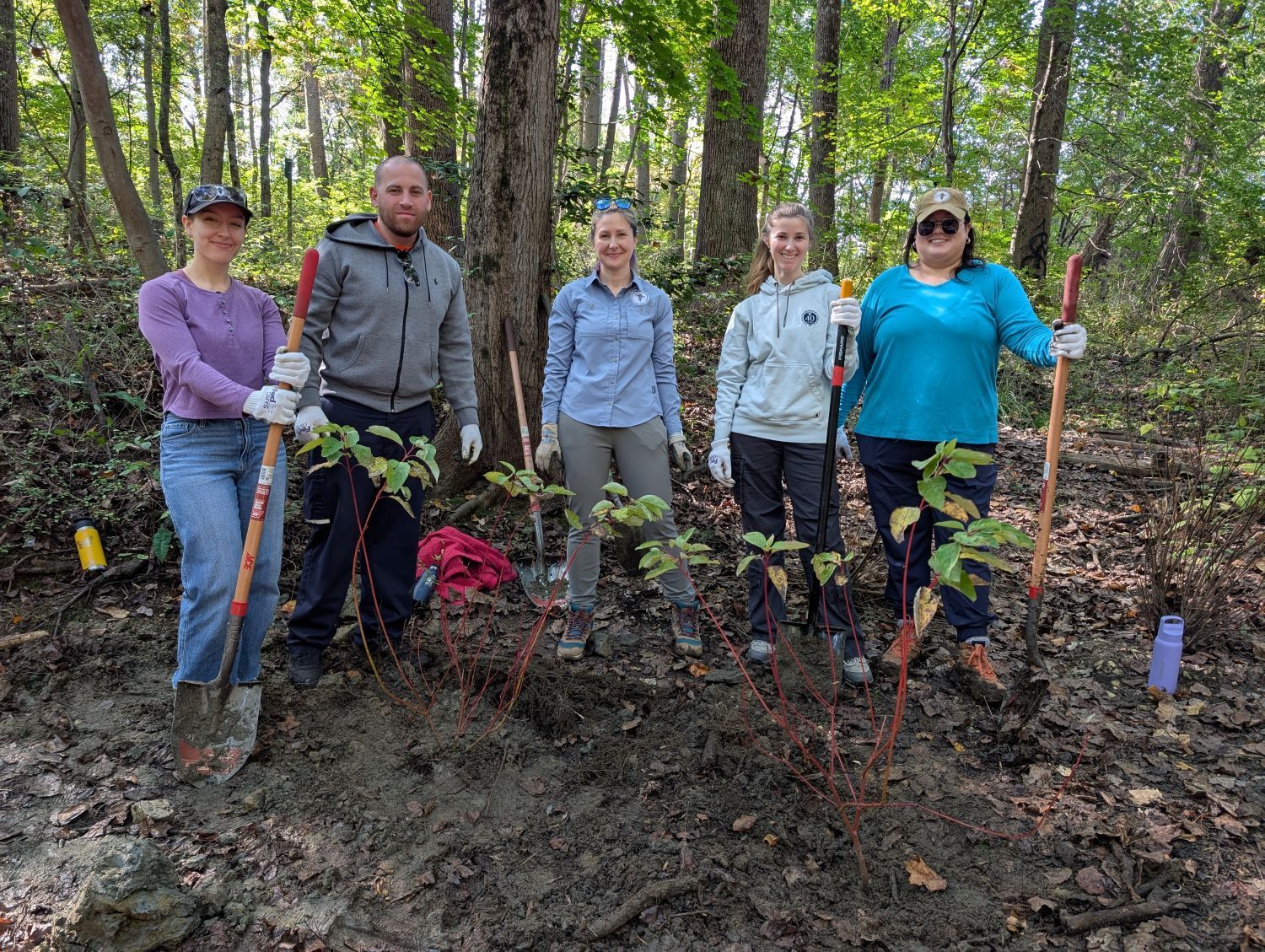
These three sites are the focus of a new project that NeighborSpace is hoping to roll out within the next year. The goal of the project is twofold: (1) perform targeted restoration and measurably improve the riparian habitat; and (2) build community capacity to sustainably monitor and steward the sites in the future. This will be accomplished through a mix of educational activities, citizen science, professional invasive removal, volunteer stream clean-ups and the planting of native trees, shrubs and perennials.

In order to ensure that restoration efforts are effectively addressing local habitat needs and to raise awareness of the importance of keeping NeighborSpace sites clean and healthy, we first need to know who calls these spaces home. Amphibians, in particular, are good indicators of significant environmental changes. Since amphibians breathe at least partly through their skin, their bodies are much more sensitive to environmental factors such as pollution and habitat destruction than those of other classes of animals. They also need water to reproduce. Amphibian populations are severely declining worldwide, for a number of reasons, and so there is an urgent need to protect and restore what habitat we can. A critical habitat component for several native amphibian species is the presence of temporary ponds in the spring, on which they rely for the reproduction and development of their young. Such “ vernal pools ” are typically small, ephemeral water bodies that have no permanent inlet or outlet: they fill each spring with rain and snow melt, then dry up for a period of time during the summer. Interestingly, the PA Natural Heritage Program cites that 85% of vernal pool amphibians return each year to breed in the pond where they were born, emphasizing the importance of preserving these sites. Vernal pools can be found at each of the three NeighborSpace parks listed above as well as at several others.

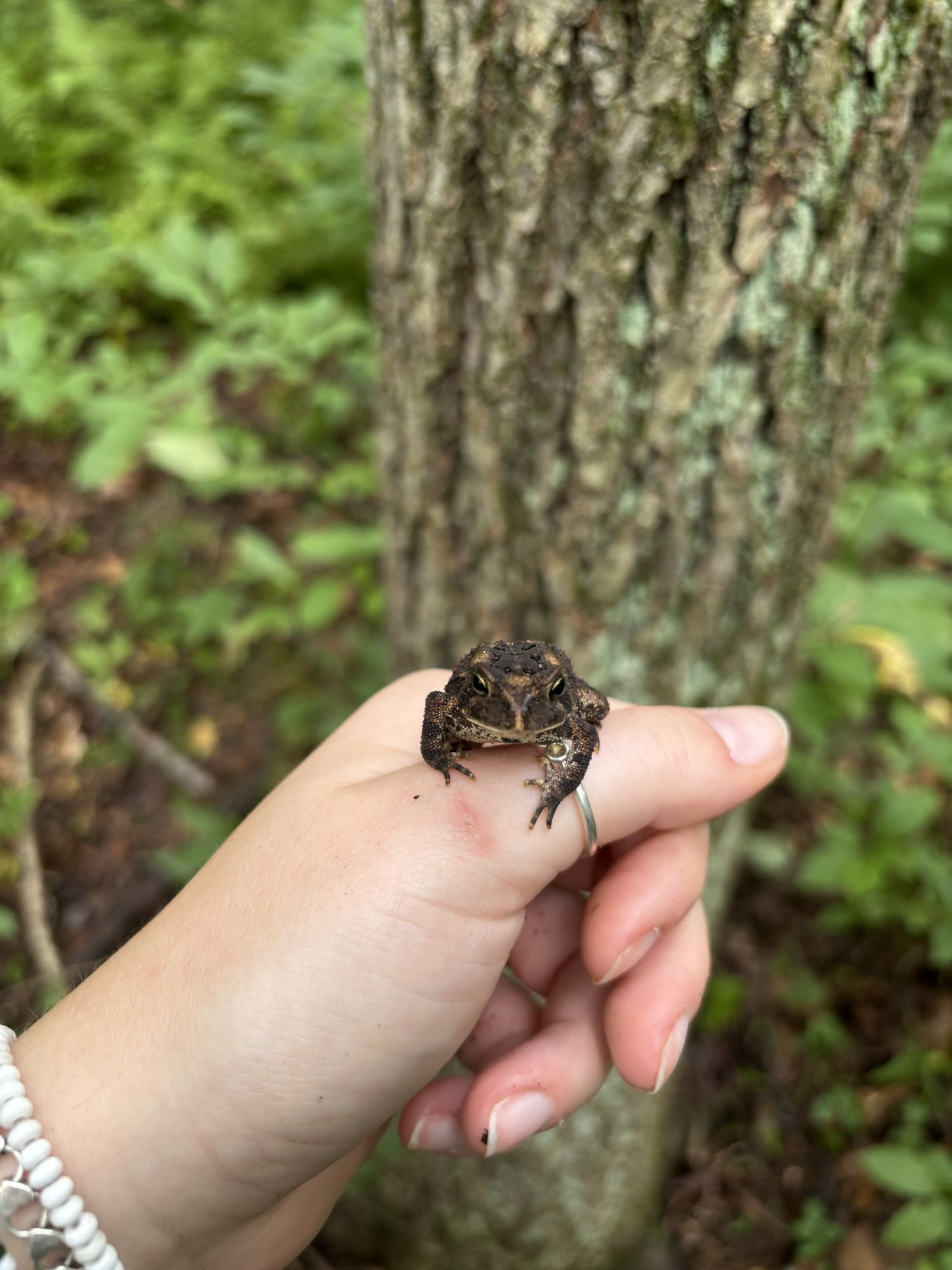
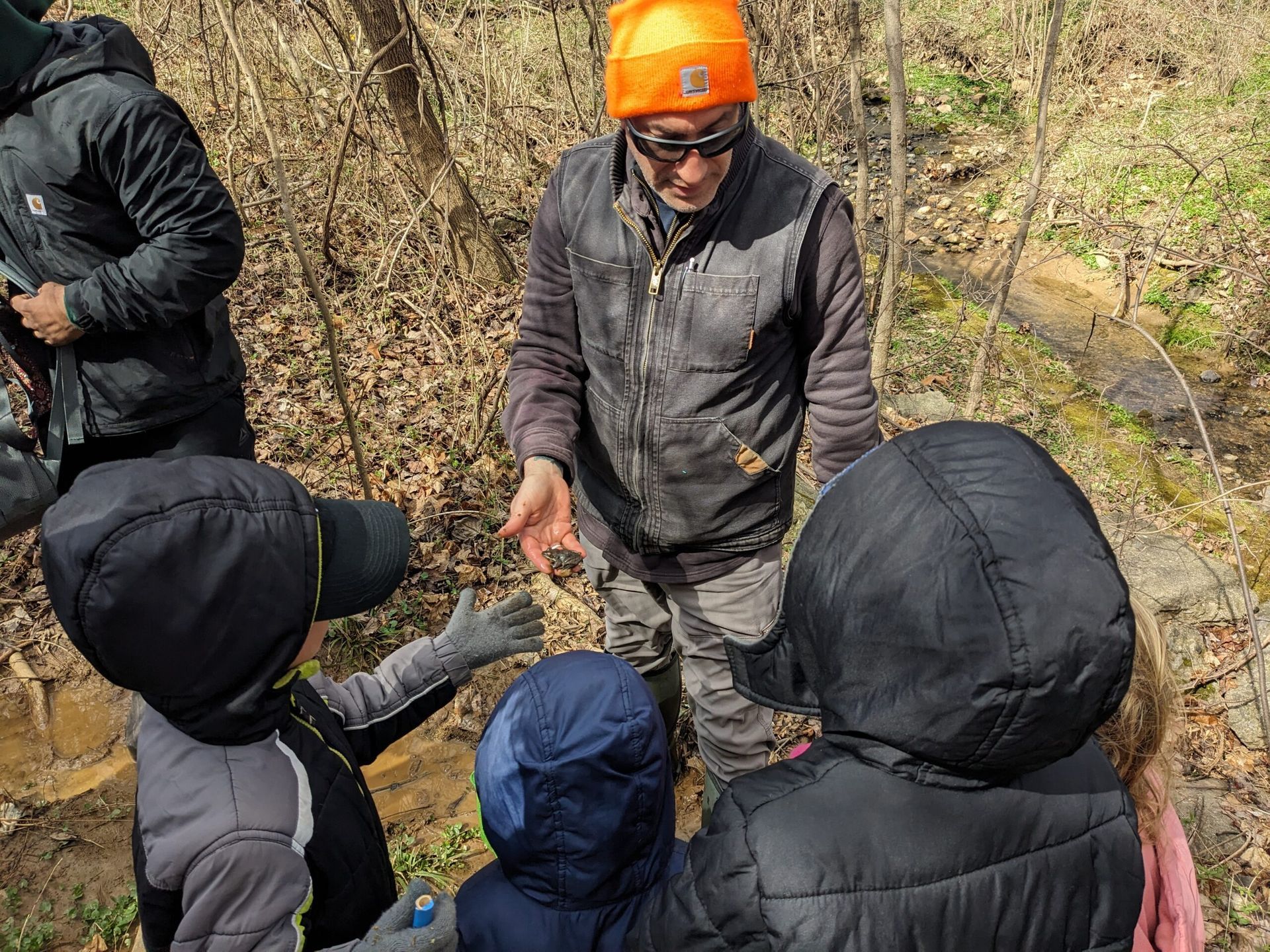
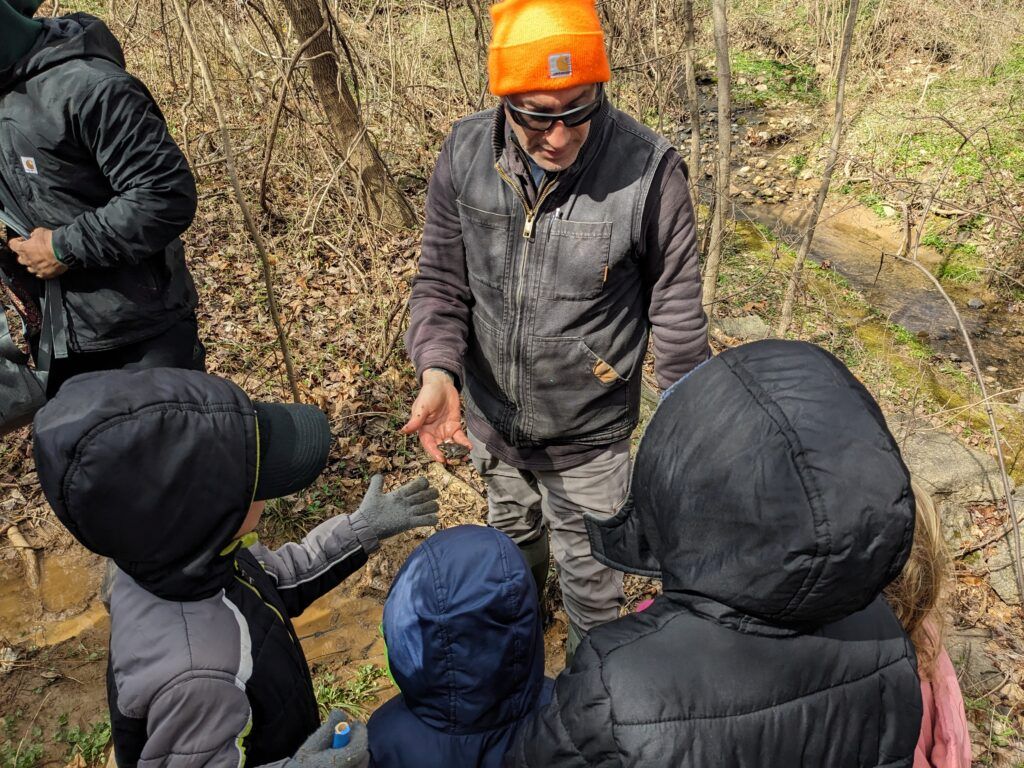
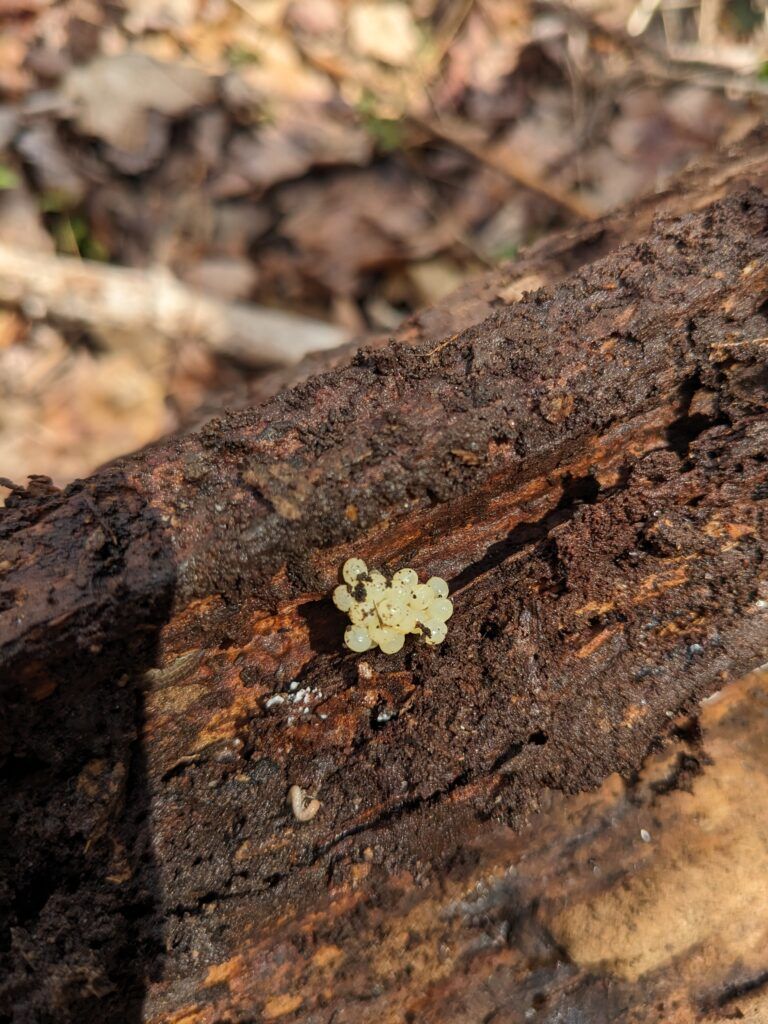
NeighborSpace is excited to partner with the Herpetology Club at the Natural History Society of Maryland to begin surveying its sites. Herpetology Club members and NeighborSpace staff have already visited Sawmill Preserve and Tollgate Wyndham Preserve, and visits to Volz Neighborhood Park and our Norman Creek site in Essex are scheduled for the next few weeks. These first visits are focused on finding and identifying as many species as possible; more detailed population surveys will be performed in the future. Despite the early March cold, the Club found snails and snail eggs, red-backed salamanders and eggs, and a male wood frog thawing out from his winter dormancy. Wood frogs are extremely cold-resistant and can tolerate up to 65% of their body water freezing! They are also reliant on vernal pools for reproduction.

Aside from the project sketched above, the work of collecting and tracking data on animal and plant species present at NeighborSpace sites is an important strategy in achieving the organization’s vision for a network of highly effective sites and volunteers. As highlighted in NeighborSpace’s 5-year Strategic Plan, we are focused on performing effective restoration and developing a sustainable stewardship model. While NeighborSpace’s custom GIS tool and anecdotal evidence show that its sites are addressing local environmental and social needs, regular collection of data on a consistent set of metrics will allow us to better measure their impact and adjust stewardship efforts accordingly.

NeighborSpace is grateful to the Herpetology Club members for sharing their expertise and time with us. We hope to open up a surveying session to the public in the future. In the meantime, check out the Natural History Society of Maryland ’s many offerings and NeighborSpace’s busy spring calendar.

Recent Posts

By Will Kaselow August 10, 2026
Live Music and Ribbon Cutting at Graystone 7/28/26 | Will Kaselow, Community Conservation Manager
By Will Kaselow July 29, 2026
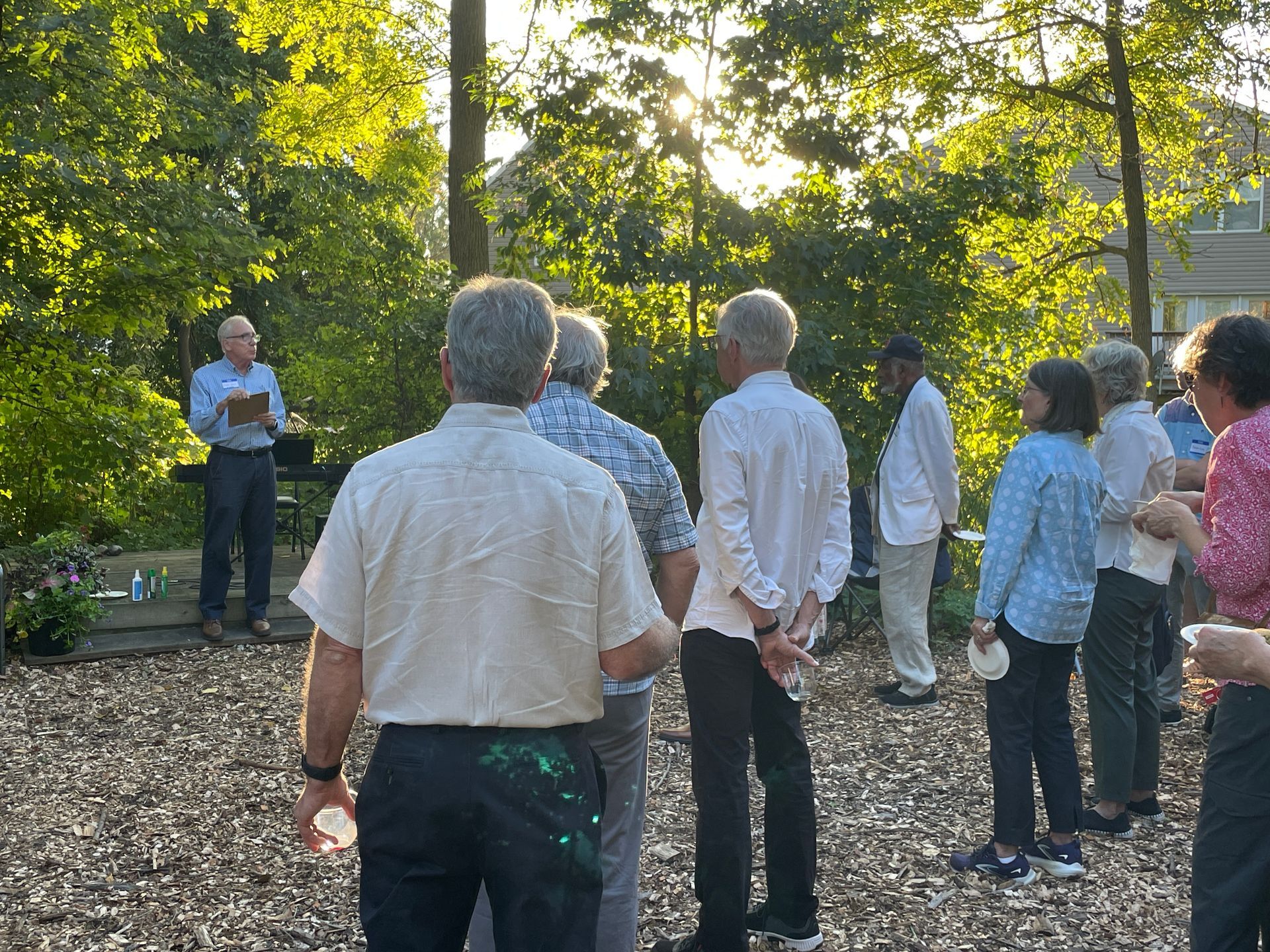
7/28/26 | Will Kaselow, Community Conservation Manager Thank you to everyone who came out to NeighborSpace’s final concert of the summer! After the original date was cancelled due to wildfire-related air pollution, we were able to quickly reschedule and ended up lucking into one of the most beautiful nights of the summer so far. We […]
By Phyllis Joris July 29, 2026
7/29/2026 | Phyllis Joris, Executive Director Like many nonprofits, NeighborSpace operates on a fiscal year that runs July through June. This month, NeighborSpace staff and board members took stock of progress made in the past year and drafted a work plan for the coming year. More details will be provided in NeighborSpace’s Annual Report, which […]
By Carol Partonen July 29, 2026
Thanks to donations from generous supporters like you, NeighborSpace was able to hire three interns this summer. We want to help young conservationists gain fieldwork and behind-the-scenes experience, and staff is grateful for the extra hands and minds! We introduced you to our stewardship interns last month.Now read on to meet our communications intern, Mykiah. […]
By Carol Partonen July 28, 2026
Barbara Waters While I grew up in Massachusetts and then spent 6 years in Northern Maine, I have now lived in Maryland for nearly 32 years. I had been involved in many things in the community, but that involvement really ramped up once the pandemic started. To combat isolation, I started walking daily, and have […]
By Carol Partonen June 29, 2026
Thanks to donations from generous supporters like you, NeighborSpace was able to hire three interns this summer. We want to help young conservationists gain fieldwork and behind-the-scenes experience, and staff is grateful for the extra hands and minds! Read on to meet our two stewardship interns, Ashley and Katie. Hi! I am Ashley Metzbower. I […]
By Will Kaselow June 29, 2026
6/29/26 | Will Kaselow, Community Conservation Manager This month we welcomed the summer with song, hosting live music events at two of our sites! First, Patrick Alban and his Buena Vista Social Club joined us at Ridgely Manor Park in Towson on one of the hottest nights of the year so far. Despite the heat, […]
By Conor Harrington June 29, 2026
6/29/26 | Conor Harrington, Land Steward This spring, NeighborSpace installed its first microforest/Miyawaki plantings at Tollgate Wyndham Preserve in Owings Mills. With the help of some very dedicated volunteer groups from BGE and Stanley Black & Decker, we planted about 150 trees and shrubs in three contained locations of the preserve. The area covered by […]
By Phyllis Joris June 29, 2026
6/29/2026 | Phyllis Joris, Executive Director NeighborSpace recently added a new site to its portfolio! With the addition of Stonegate, a beautiful 16-acre property in Catonsville, NeighborSpace now protects 116 acres across 22 sites for current and future residents of urban Baltimore County. This property is co-held with Maryland Environmental Trust (MET), the state’s land […]
By Will Kaselow May 29, 2026
This month we would like to thank Christie Bianco for her time and dedication as a NeighborSpace volunteer! Christie has lived in the Dunmore community for 21 years and first connected with Levickas Woods through her children, who would play in the woods and catch crayfish in the stream. She considers the woods to be […]
Show More