Share this article

On January 11th, Towson University Associate Professor Dr. Sya Buryn Kedzior and students Ja’lyn Hicks and Collin Bates presented their team’s findings on the history of the Cherry Heights neighborhood in Overlea. NeighborSpace has a small park there named Cherry Heights Woodland Garden after the former African-American community of Cherry Heights whose boundary runs diagonally through the property. According to the report, the community plan was drawn up in 1909, “developed and marketed as the first community for African American homeowners in Baltimore County.”

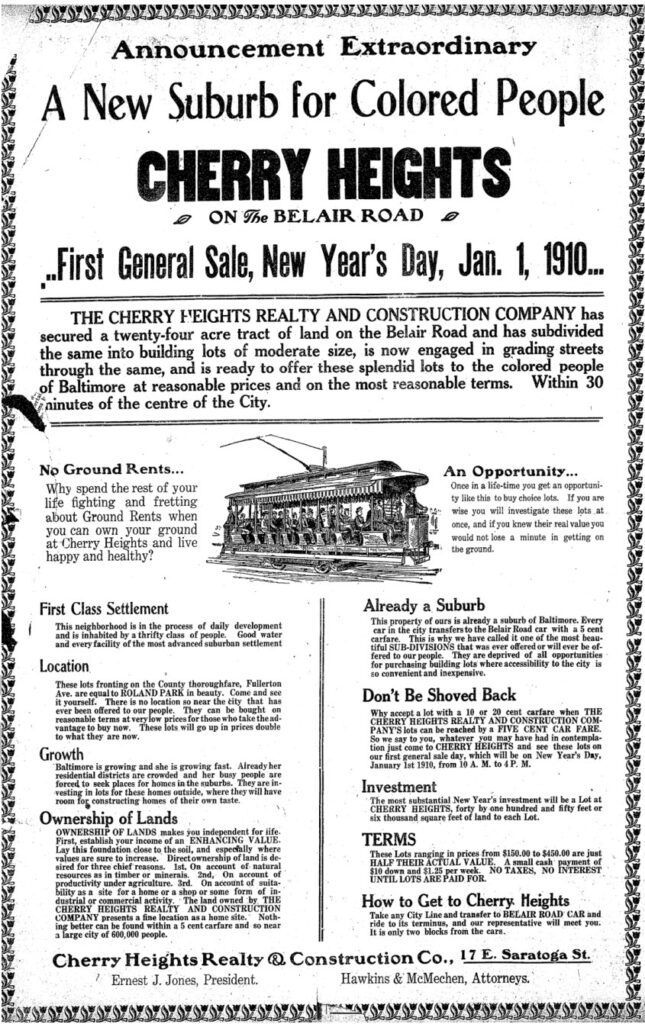
Advertisement for Cherry Heights lots in the Baltimore Afro-American (25 Dec 1909, p. 2)

Included in the report itself are sections outlining the early development of and pushback against the neighborhood; a history of the practices of urban planning and redlining in the greater Baltimore metropolitan area; descriptions of the various methods of segregation used by county officials and unsupportive residents to slow the growth of the Cherry Heights neighborhood and others like it; a survey of census data on the neighborhood’s demographics; and a discussion of the neighborhood’s most important landmarks and prominent residents.

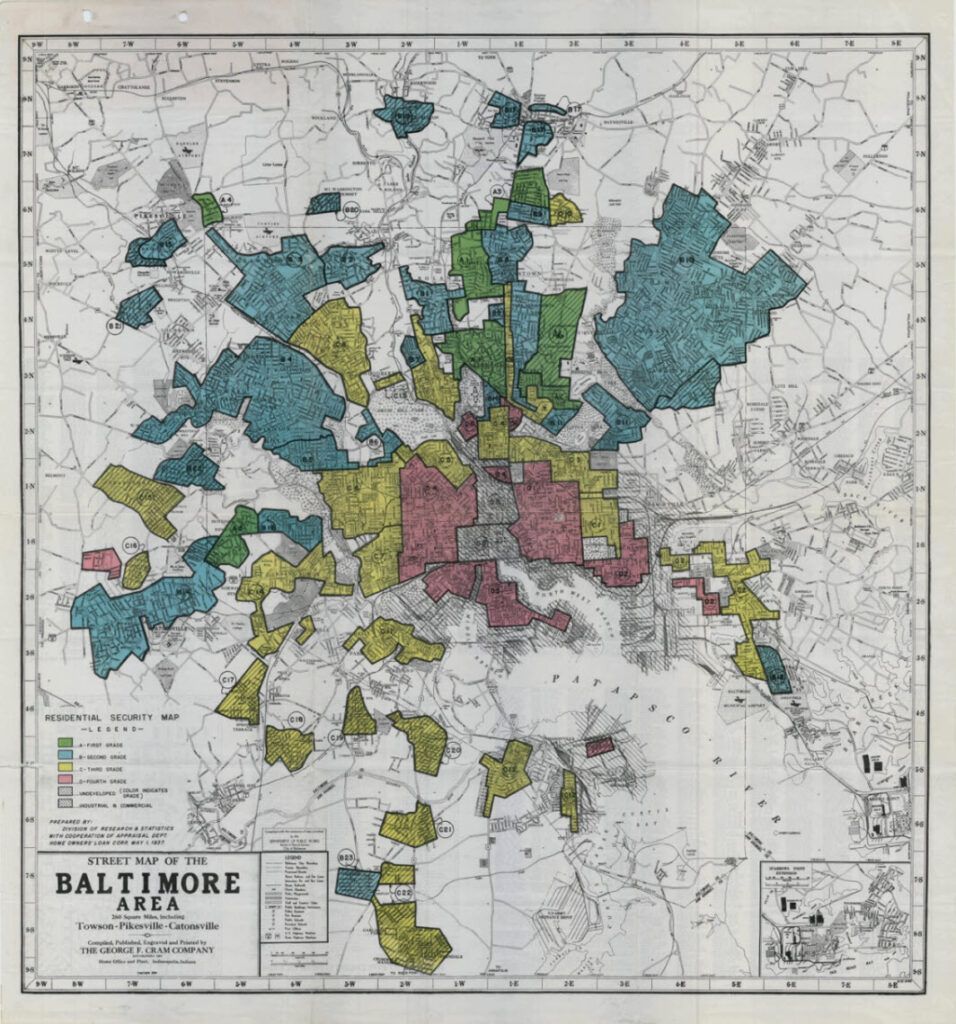
Redlined map of Baltimore metropolitan area, including Cherry Heights and Overlea

The Towson University team presented their findings to an engaged and enthusiastic crowd, including neighbors, local residents, District 6 County Councilman Mike Ertel, and NeighborSpace Board and staff members. As part of the presentation, the team shared some additional context and information. For one thing, there was a shift in how the community lots were marketed and used over time. They were originally marketed to affluent African-Americans as bucolic plots “in the country” to later build a home on for retirement, which can be seen in the restrictions on building materials that could be used and the fact that many people bought lots but didn’t build until much later (or not at all). Over 20 years or so, the neighborhood shifted to an area where people lived year-round. Density also changed: plots were originally marketed for single-family homes but census records show that many residences were duplexes and apartments. Throughout this shift, the importance of the streetcar cannot be overstated. While Black residents lived in Cherry Heights, they still worked, worshipped and were forced to go to school in the City. This transportation was crucial to the vitality of Cherry Heights.

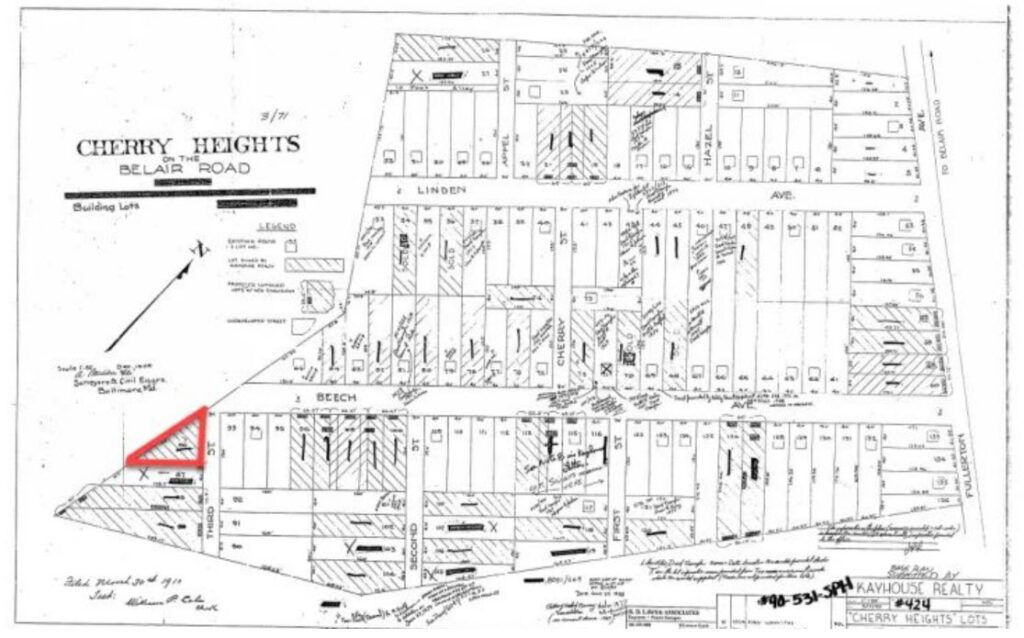
Cherry Heights plat updated through 1990 (indicating section of Woodland Gardens site in red)

There is still much to be uncovered about the neighborhood. The researchers had to rely predominantly on written records and resources, but more could be learned from first-hand accounts by older residents or from primary sources still existing within the community. At the presentation, a few attendees who still live in the area spoke of historical documents that had been passed down to them – one mentioned having the original deed to their home which included racially restrictive covenants (a common practice at the time}, and another found documents going back to W. Ashbie Hawkins (mentioned first on pg. 9 of the report). Another difficulty to historical research is that, as Dr. Kedzior put it, “often what is normalized isn’t documented.” While it is well-documented that the community association was active in hosting events and advocating for schools, there is less information about the activities of the local churches, even though they were just as pivotal to the community culture. What was their attendance like? What activities did they host? What was their involvement in the community politics? As such information would have been common knowledge locally at the time, there is not a clear record, and therefore room for further discoveries about the neighborhood.

We would like to thank Dr. Kedzior, Ja’lyn Hicks, Collin Bates, Shepsura Page, and Tyler Roberts for all of their hard work on this research and presentation. Though we unfortunately do not have a recording of the presentation, if you would like to read the report for yourself, the final draft and appendices are linked on our website here.

Recent Posts

By Will Kaselow August 10, 2026
Live Music and Ribbon Cutting at Graystone 7/28/26 | Will Kaselow, Community Conservation Manager
By Will Kaselow July 29, 2026
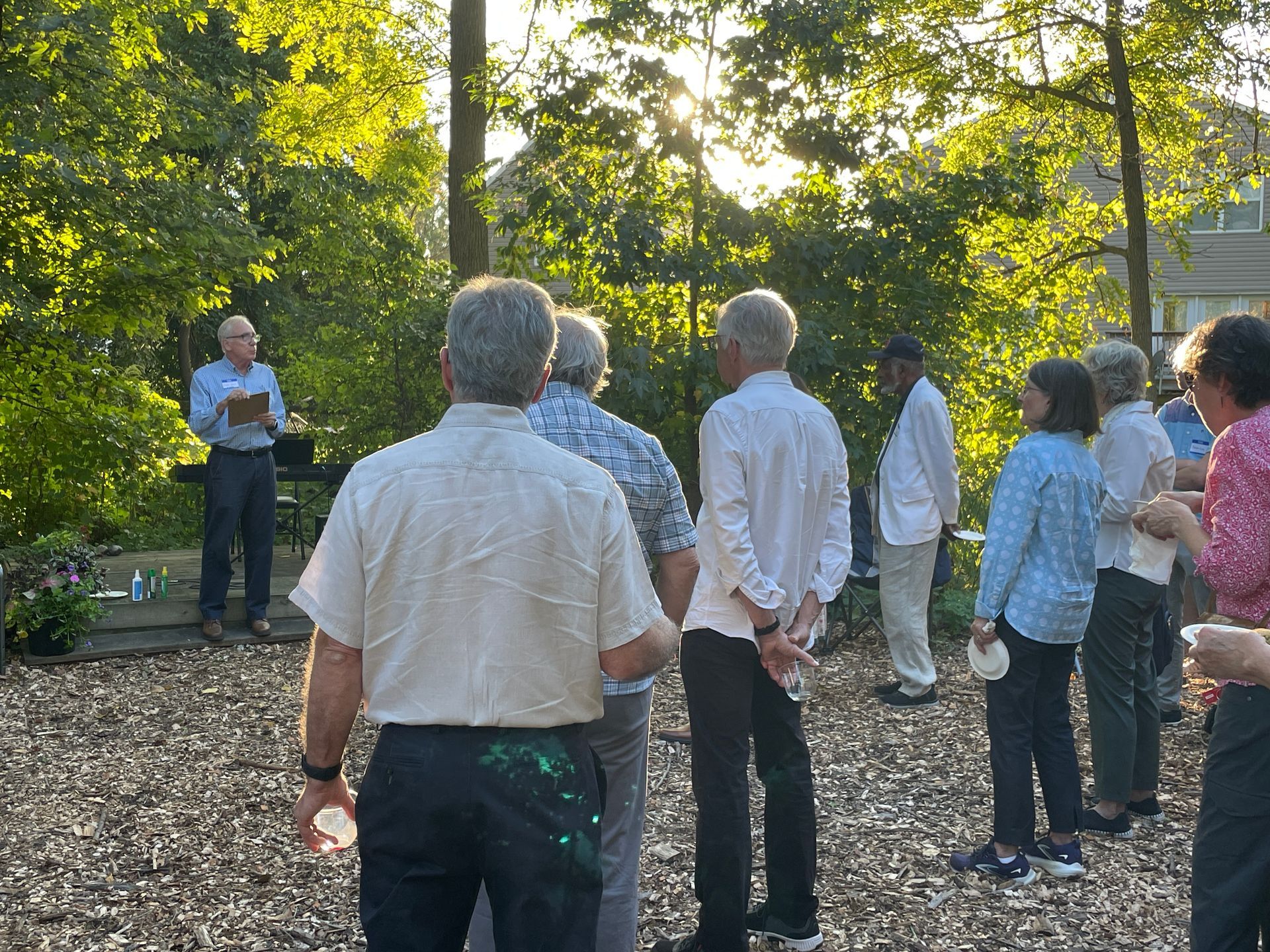
7/28/26 | Will Kaselow, Community Conservation Manager Thank you to everyone who came out to NeighborSpace’s final concert of the summer! After the original date was cancelled due to wildfire-related air pollution, we were able to quickly reschedule and ended up lucking into one of the most beautiful nights of the summer so far. We […]
By Phyllis Joris July 29, 2026
7/29/2026 | Phyllis Joris, Executive Director Like many nonprofits, NeighborSpace operates on a fiscal year that runs July through June. This month, NeighborSpace staff and board members took stock of progress made in the past year and drafted a work plan for the coming year. More details will be provided in NeighborSpace’s Annual Report, which […]
By Carol Partonen July 29, 2026
Thanks to donations from generous supporters like you, NeighborSpace was able to hire three interns this summer. We want to help young conservationists gain fieldwork and behind-the-scenes experience, and staff is grateful for the extra hands and minds! We introduced you to our stewardship interns last month.Now read on to meet our communications intern, Mykiah. […]
By Carol Partonen July 28, 2026
Barbara Waters While I grew up in Massachusetts and then spent 6 years in Northern Maine, I have now lived in Maryland for nearly 32 years. I had been involved in many things in the community, but that involvement really ramped up once the pandemic started. To combat isolation, I started walking daily, and have […]
By Carol Partonen June 29, 2026
Thanks to donations from generous supporters like you, NeighborSpace was able to hire three interns this summer. We want to help young conservationists gain fieldwork and behind-the-scenes experience, and staff is grateful for the extra hands and minds! Read on to meet our two stewardship interns, Ashley and Katie. Hi! I am Ashley Metzbower. I […]
By Will Kaselow June 29, 2026
6/29/26 | Will Kaselow, Community Conservation Manager This month we welcomed the summer with song, hosting live music events at two of our sites! First, Patrick Alban and his Buena Vista Social Club joined us at Ridgely Manor Park in Towson on one of the hottest nights of the year so far. Despite the heat, […]
By Conor Harrington June 29, 2026
6/29/26 | Conor Harrington, Land Steward This spring, NeighborSpace installed its first microforest/Miyawaki plantings at Tollgate Wyndham Preserve in Owings Mills. With the help of some very dedicated volunteer groups from BGE and Stanley Black & Decker, we planted about 150 trees and shrubs in three contained locations of the preserve. The area covered by […]
By Phyllis Joris June 29, 2026
6/29/2026 | Phyllis Joris, Executive Director NeighborSpace recently added a new site to its portfolio! With the addition of Stonegate, a beautiful 16-acre property in Catonsville, NeighborSpace now protects 116 acres across 22 sites for current and future residents of urban Baltimore County. This property is co-held with Maryland Environmental Trust (MET), the state’s land […]
By Will Kaselow May 29, 2026
This month we would like to thank Christie Bianco for her time and dedication as a NeighborSpace volunteer! Christie has lived in the Dunmore community for 21 years and first connected with Levickas Woods through her children, who would play in the woods and catch crayfish in the stream. She considers the woods to be […]
Show More