Share this article

The Problem with Non-Native Plants and Why You Should Care

Over the past 300 years, American settlers have introduced an abundance of non-native plants which have disturbed ecosystems that have taken millions of years to develop. Once loose in our North American ecosystems many of the more aggressive non-native plants have become invasive. As invasives, these plants have overridden the previously established populations of many native plants. A major problem stemming from this is that native insects and animals have had to adjust to the sudden change in food source over the years and many have not been successful. 

While native plants have co-evolved with our native wildlife for millions of years, non-native plants have only arrived in the past hundred years, which is the blink of an evolutionary eye. In a forest, non-native species are a huge problem. It would seem that eventually, the native plants here would learn to cope with non-native plants that had been introduced. This is partially true, but not totally. Unfortunately, some of these non-native plants have major competitive advantages, and therefore become invasive. Invasive plants are not only aggressive growers, but they also have little to no natural predators. These traits allow invasive plants to spread incredibly fast over large areas. They take over the space that the native plants have thrived in for years. This is when we start to see a problem, as the native plants get overtaken, insects and animals don’t have anything to eat, and therefore many species will struggle tremendously.

These days, there seems to be a major lack of interest in planting bushes, trees, and flowers that are native to the areas we live in. One issue is that when you go to purchase flowers, for example, not everything at that store is native. For the most part, the store only cares about making a sale, not if that plant is ecologically valuable. Another issue is that people nowadays are keener on making their yard look nice. There are visual benefits to this, however, the concept is mostly flawed. The only way to improve a yard's ability to support life is to include species that fit in geographically. The overall impact of non-native plants in our ecosystem will carry problems long after we are gone. This is why we must make adjustments in our own personal lives and support our native ecosystems that have taken millions of years to build.


Article by Harry Deller, Intern

Recent Posts

By Will Kaselow August 10, 2026
Live Music and Ribbon Cutting at Graystone 7/28/26 | Will Kaselow, Community Conservation Manager
By Will Kaselow July 29, 2026
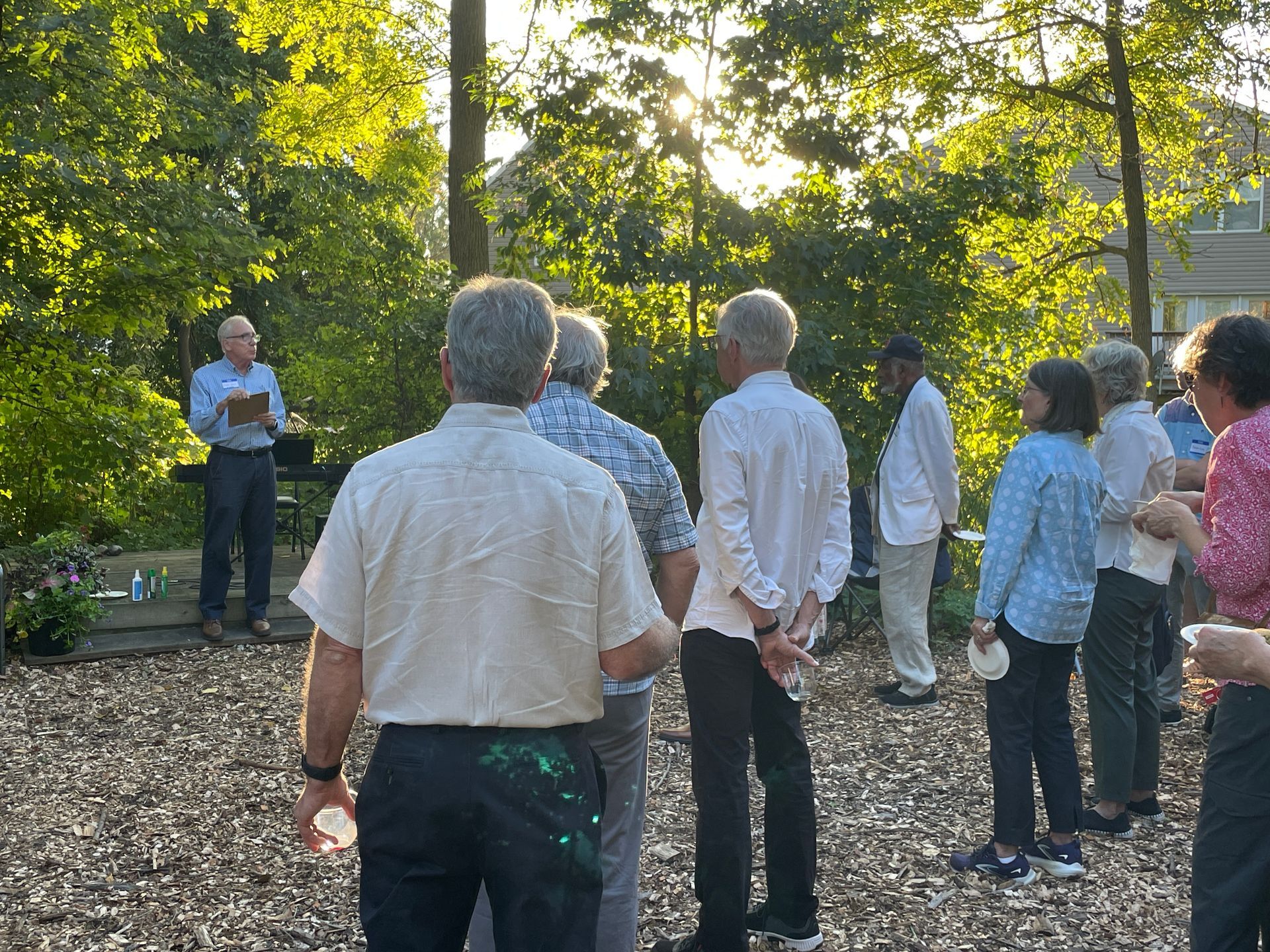
7/28/26 | Will Kaselow, Community Conservation Manager Thank you to everyone who came out to NeighborSpace’s final concert of the summer! After the original date was cancelled due to wildfire-related air pollution, we were able to quickly reschedule and ended up lucking into one of the most beautiful nights of the summer so far. We […]
By Phyllis Joris July 29, 2026
7/29/2026 | Phyllis Joris, Executive Director Like many nonprofits, NeighborSpace operates on a fiscal year that runs July through June. This month, NeighborSpace staff and board members took stock of progress made in the past year and drafted a work plan for the coming year. More details will be provided in NeighborSpace’s Annual Report, which […]
By Carol Partonen July 29, 2026
Thanks to donations from generous supporters like you, NeighborSpace was able to hire three interns this summer. We want to help young conservationists gain fieldwork and behind-the-scenes experience, and staff is grateful for the extra hands and minds! We introduced you to our stewardship interns last month.Now read on to meet our communications intern, Mykiah. […]
By Carol Partonen July 28, 2026
Barbara Waters While I grew up in Massachusetts and then spent 6 years in Northern Maine, I have now lived in Maryland for nearly 32 years. I had been involved in many things in the community, but that involvement really ramped up once the pandemic started. To combat isolation, I started walking daily, and have […]
By Carol Partonen June 29, 2026
Thanks to donations from generous supporters like you, NeighborSpace was able to hire three interns this summer. We want to help young conservationists gain fieldwork and behind-the-scenes experience, and staff is grateful for the extra hands and minds! Read on to meet our two stewardship interns, Ashley and Katie. Hi! I am Ashley Metzbower. I […]
By Will Kaselow June 29, 2026
6/29/26 | Will Kaselow, Community Conservation Manager This month we welcomed the summer with song, hosting live music events at two of our sites! First, Patrick Alban and his Buena Vista Social Club joined us at Ridgely Manor Park in Towson on one of the hottest nights of the year so far. Despite the heat, […]
By Conor Harrington June 29, 2026
6/29/26 | Conor Harrington, Land Steward This spring, NeighborSpace installed its first microforest/Miyawaki plantings at Tollgate Wyndham Preserve in Owings Mills. With the help of some very dedicated volunteer groups from BGE and Stanley Black & Decker, we planted about 150 trees and shrubs in three contained locations of the preserve. The area covered by […]
By Phyllis Joris June 29, 2026
6/29/2026 | Phyllis Joris, Executive Director NeighborSpace recently added a new site to its portfolio! With the addition of Stonegate, a beautiful 16-acre property in Catonsville, NeighborSpace now protects 116 acres across 22 sites for current and future residents of urban Baltimore County. This property is co-held with Maryland Environmental Trust (MET), the state’s land […]
By Will Kaselow May 29, 2026
This month we would like to thank Christie Bianco for her time and dedication as a NeighborSpace volunteer! Christie has lived in the Dunmore community for 21 years and first connected with Levickas Woods through her children, who would play in the woods and catch crayfish in the stream. She considers the woods to be […]
Show More