“You’re Killing Me – A Redux”
Last week I relayed this story from my childhood: I think I was 9 or 10. The exact age really doesn’t matter. The important thing is this: what came out of my mouth in the presence of my father one morning while waiting for the bus is not something I could have come up with on my own at that point in my life. I had been prompted by what I was being taught in the health class I was taking in school.
It was the early 1970s and there were many smoking cessation campaigns afoot, given what we were learning then about the truly awful, long-term health impacts of cigarette use. My father was, at that time, a smoker. On that cold winter morning, as we sat in our warm car waiting for the school bus, he lit up a cigarette. Almost reflexively, out of my bolder-than-my-years, young mouth came, “It’s bad enough that you’re killing yourself, but do you care that you’re killing me, too?”
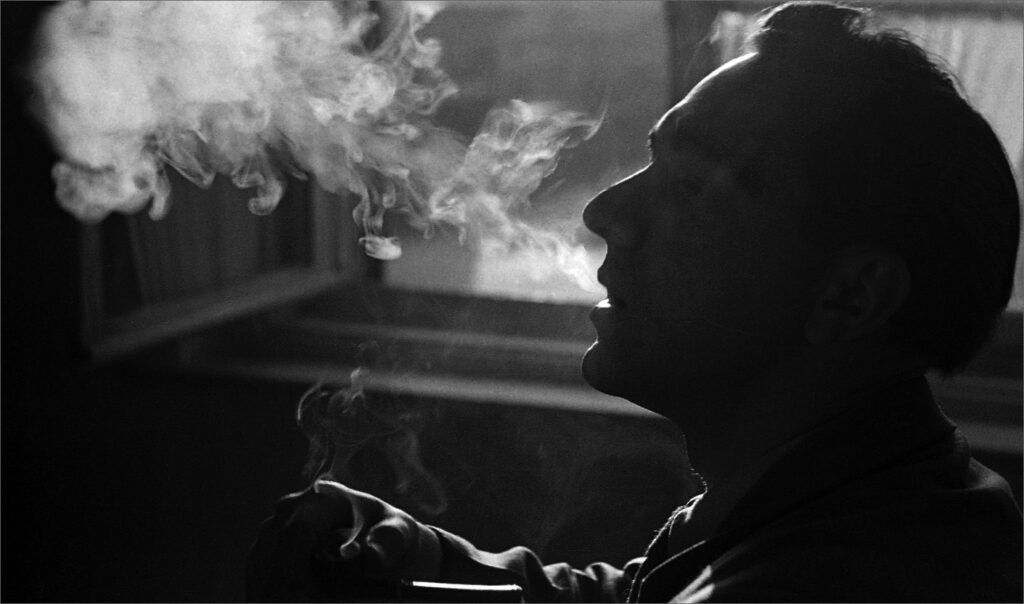
Guess what happened next? No, he didn’t kill me. He just quietly put the cigarette out. The bus came and I got on it. And, after that day, I never saw him smoke a cigarette again. The health class campaign to talk to your parents about the effects of their smoking on “you” worked. A million billboard and magazine ads about the health hazards of smoking could not compare in their ultimate effectiveness to the voice of one child saying, “hey – wait a minute – you need to think of someone other than yourself!”
I was reminded of the experience yet again in reading a study that came out this week on the effects of systemic racism on the distribution of environmental benefits. It concludes that government-sponsored policies like “redlining,” which were prolific in metro Baltimore and stratified neighborhoods on the basis of race and class, also effectively restricted access to environmental amenities for racial and ethnic minorities and low-income communities. As a result, “predominantly white neighborhoods generally have more green space, more trees, and greater plant diversity than less affluent neighborhoods.”
Beyond the conclusions of the foregoing article, we have our own data. Take a look at the map below from our GIS database showing where open space needs are greatest in the County. The open space challenge is not evenly distributed. A lack of open space predominates in areas that we know to be non-white and less affluent demographically.
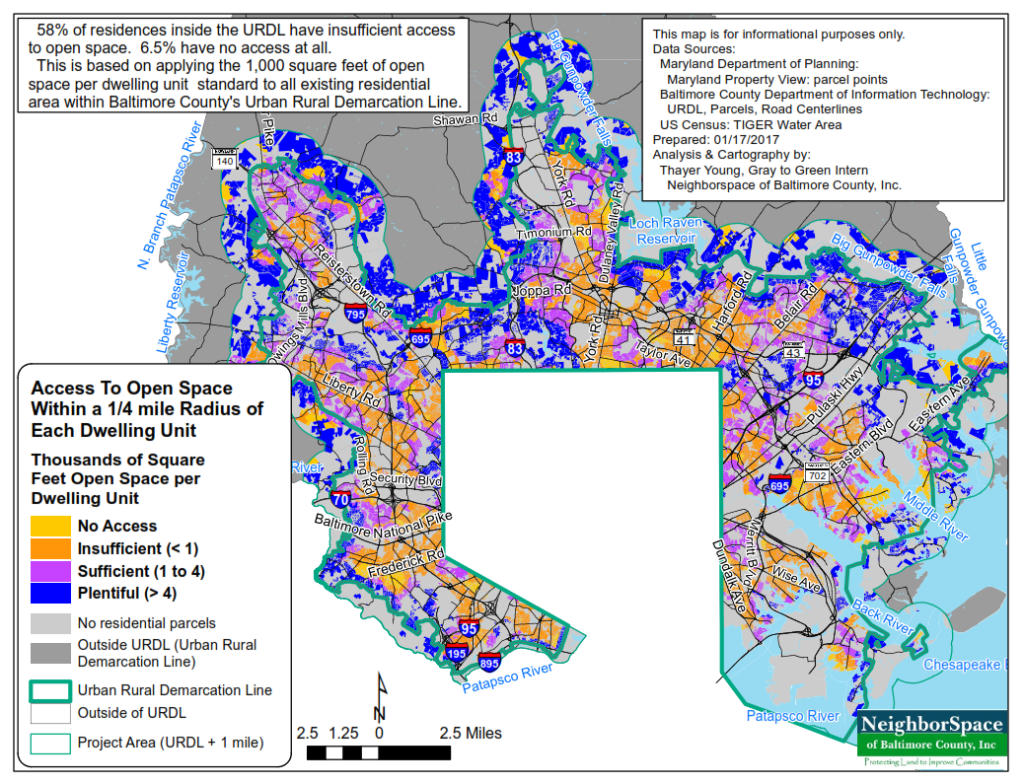
I’ll pose a question similar to the one I asked last week: What do we say to the residents of these areas about the potential negative consequences they may suffer as a result of this shortcoming, especially now when we all have cabin fever and need for purposes of our own health and well-being to get out. Setting aside the responsibilities we have for our own health, what responsibility do we bear to increase and improve open space in these communities, especially if we happen to be among the privileged class that benefited from the government-sponsored policies referenced above?
It's in the spirit of thinking about this question that I ask you to do two things: (1) complete our Green Neighborhood Challenge Survey; (2) become a Guardian of the Green by making a donation of $2 or more per month so that we can protect and improve more open space in Baltimore County – we’ll send you our new logo t-shirt as a thank you!