Where’d You Go, Bentley: A Request
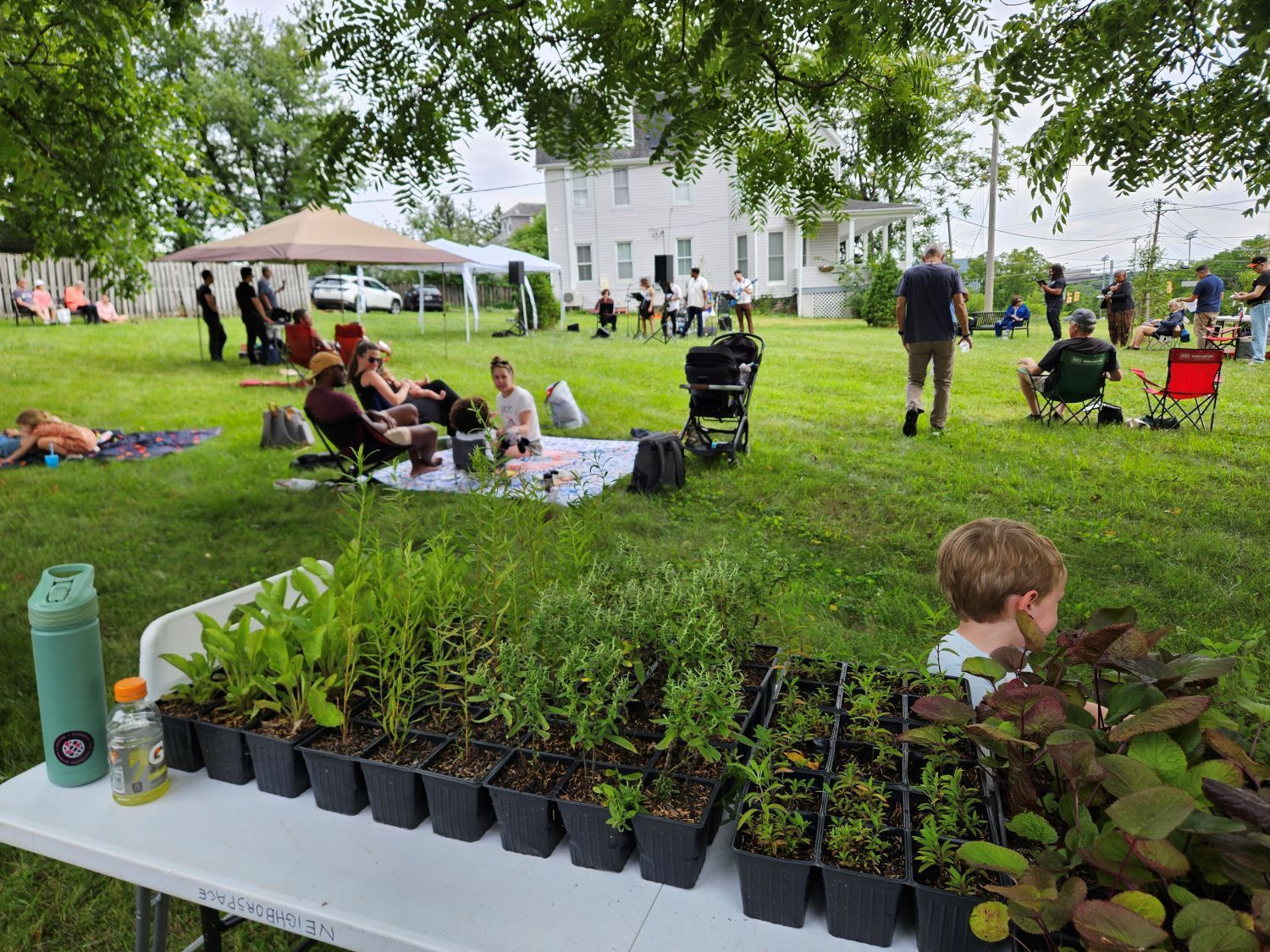
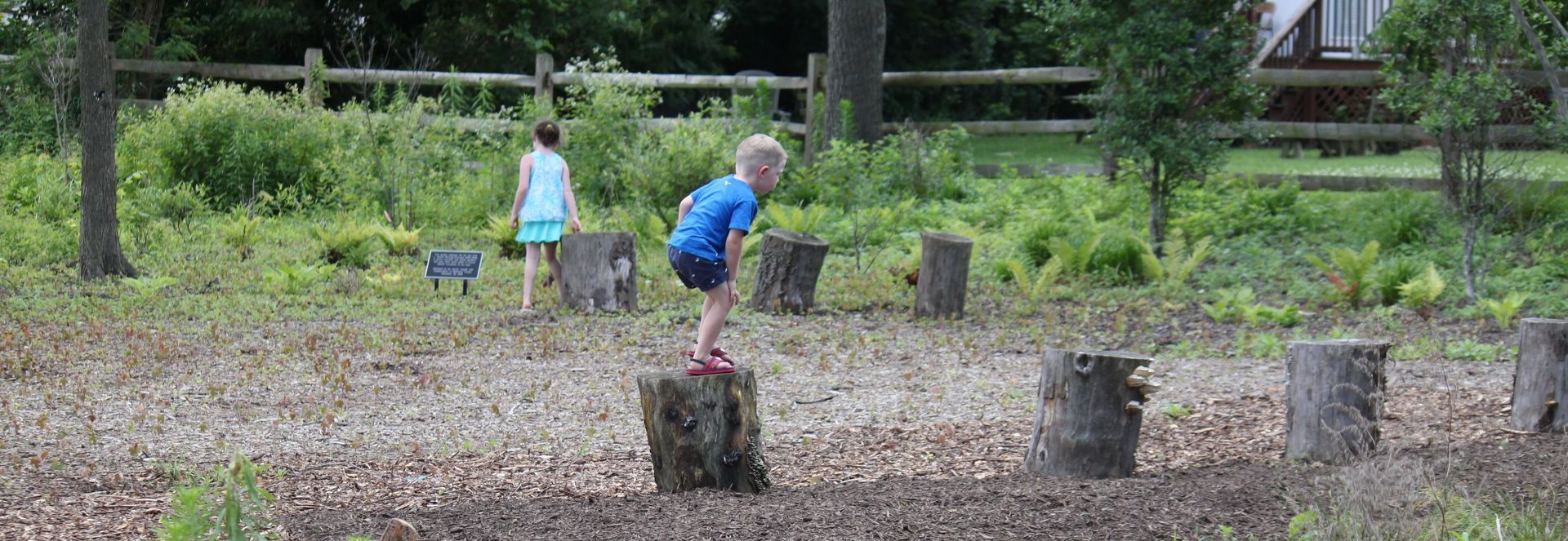
I’d like to say that my love of nature implies that I “…will find beauty everywhere,” as inspired by Laura Ingles Wilder; however, in today’s climate, as a witness to mass declines in trees, bees and birds, I’m wondering where the beauty may lie. In September of 2018, NeighborSpace held a fall celebration at Adelaide Bentley Park in the historic section of East Towson. My daughter and I rode our bikes to the property where she ran around, got a little muddy, ate tacos and conversed with a variety of folks in attendance. Kids in tow, I came back on a late June afternoon and was greeted with gorgeous blooms on a variety of native plants at the entrance on East Pennsylvania Avenue, and while the kids jumped around the stumps and ran around the circular pathway I noticed there were hundreds of hand high Maple saplings. A few weeks ago, my daughter and I returned to assist with the fall cleanup of the property; the lower area now filled to the brim with all sorts of weeds you couldn’t even distinguish the circular pathway. What direction is nature going and why does it seem to engulf the park? Seed germination and fewer canopy trees are rooted in why parts of this park almost disappeared within a year.
Seeds can be delivered on the breeze or through excrement from birds and animals. This ensures nature can reproduce abundantly and consistently. Nature, however, has no ill will for outside intruders and thus introduced species and “invasives” can proliferate. According to Maryland DNR “the impact of introduced species on native species and habitats, they mean that the introduced species is reproducing and distributing itself so efficiently that it is out competing native species' use of the same habitats.” These plants are causing entire ecosystems to fade away – taking both plants and animals with them.
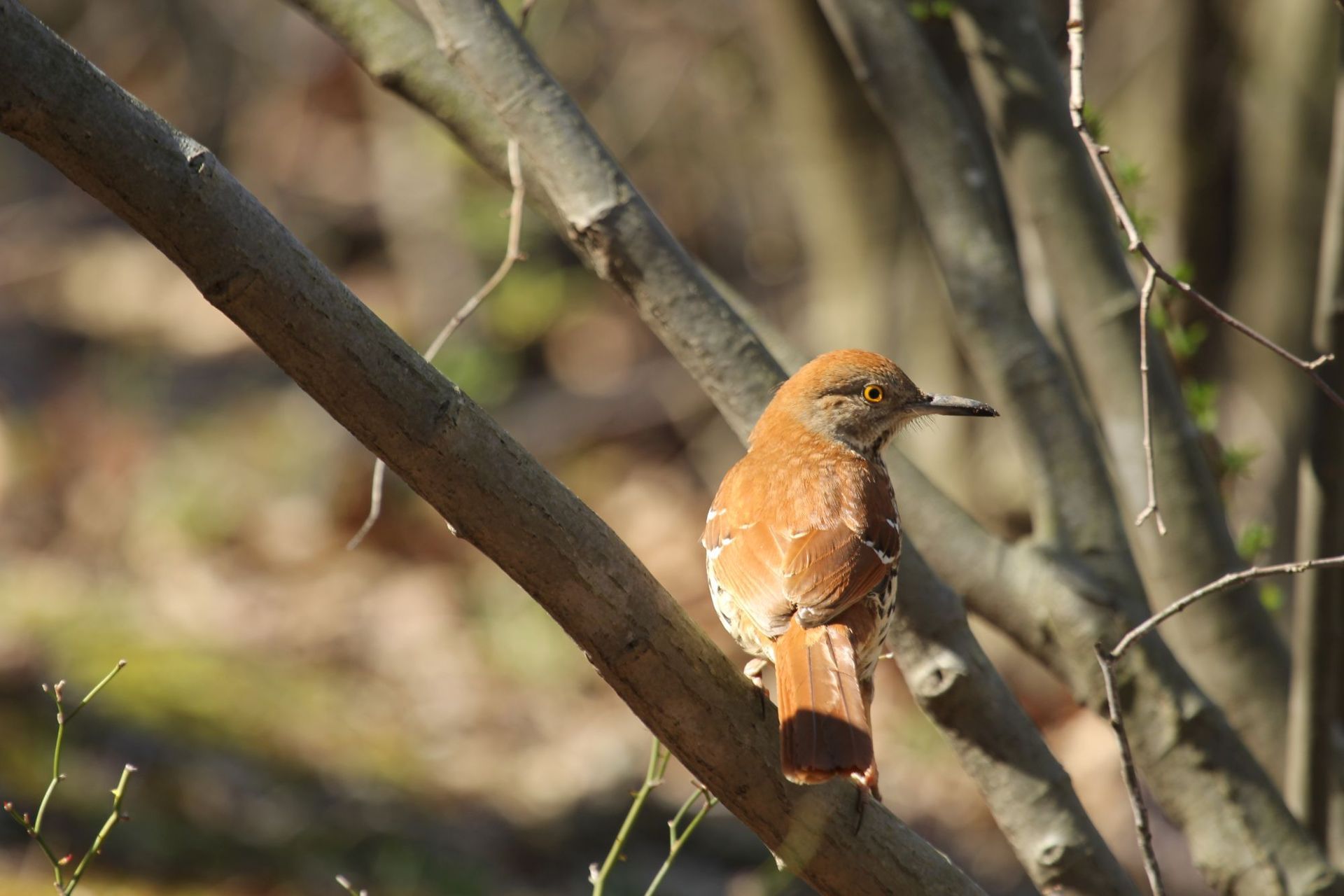
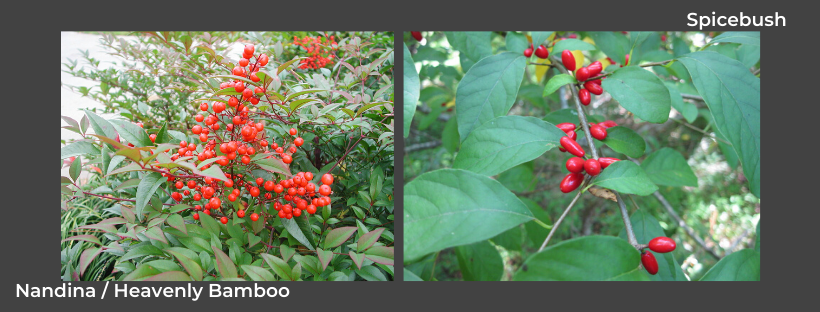
Hence, in spite of the efforts to remove invasives from the park, they still flourish and dominate. Once invasives find their way into an otherwise natural area, they can upset the natural balance to the detriment of a species. Audubon recently reported that Cedar Waxwings were declining because of the prevalence of Nandina/Heavenly Bamboo berries rather than native Spicebush plants in its diet. The reason: more and more people are planting Nandina in their yards. Why? It’s a beautiful, inexpensive shrub that anyone can pick up at the nearest Home Depot. The problem, of course, is that it’s not native to 100% of the United States and is now considered by the U.S. Department of Agriculture and most states as a noxious, non-native, invasive weed.
Invasives can also overwhelm other plants, which is a big problem at Bentley Park where things like Mile-a-Minute and Japanese Stiltgrass have overtaken native plantings like New England Asters and Sensitive Ferns. Though these invasives are not for sale at Home Depot, they are, nonetheless, prolific and they are particularly hard to control on sites like Bentley, which was unattended for decades before the park was constructed in 2016.
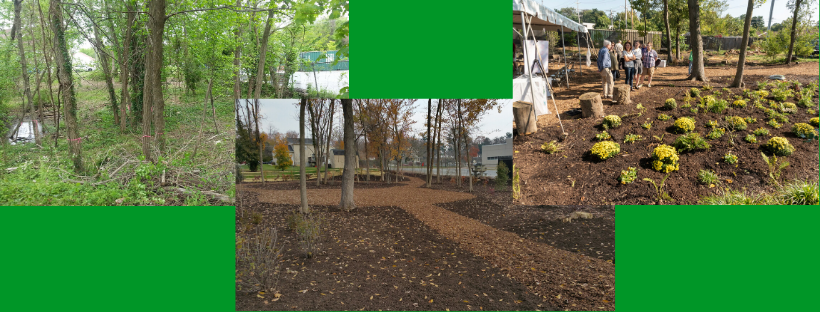
Progression of Bentley Park
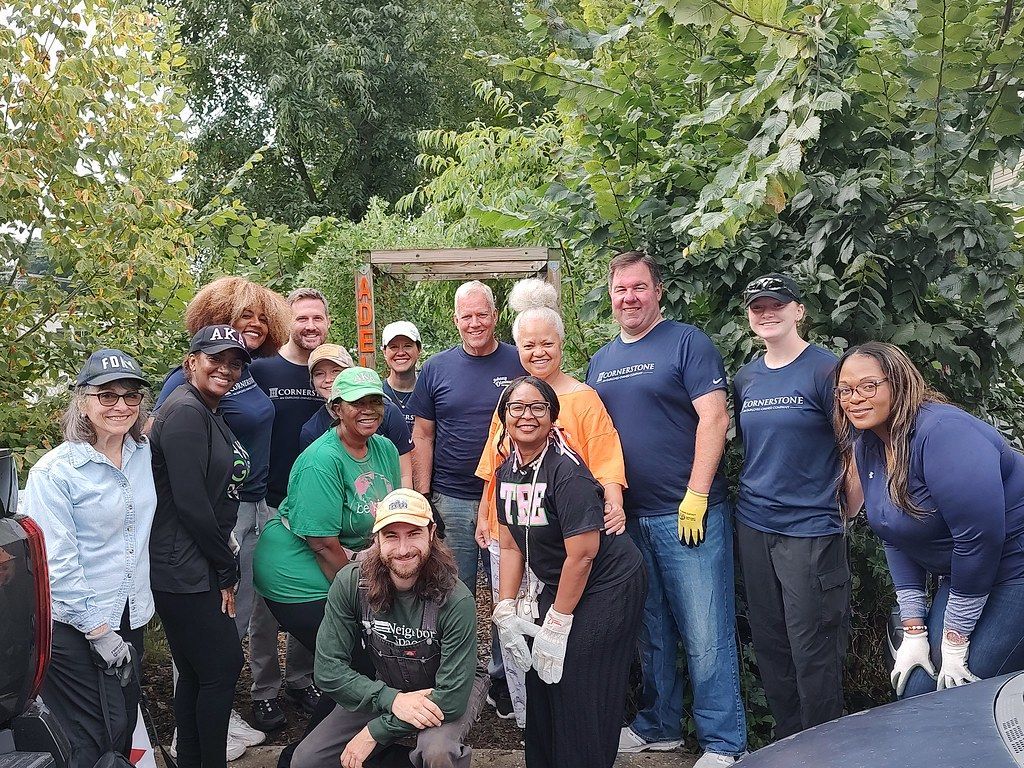
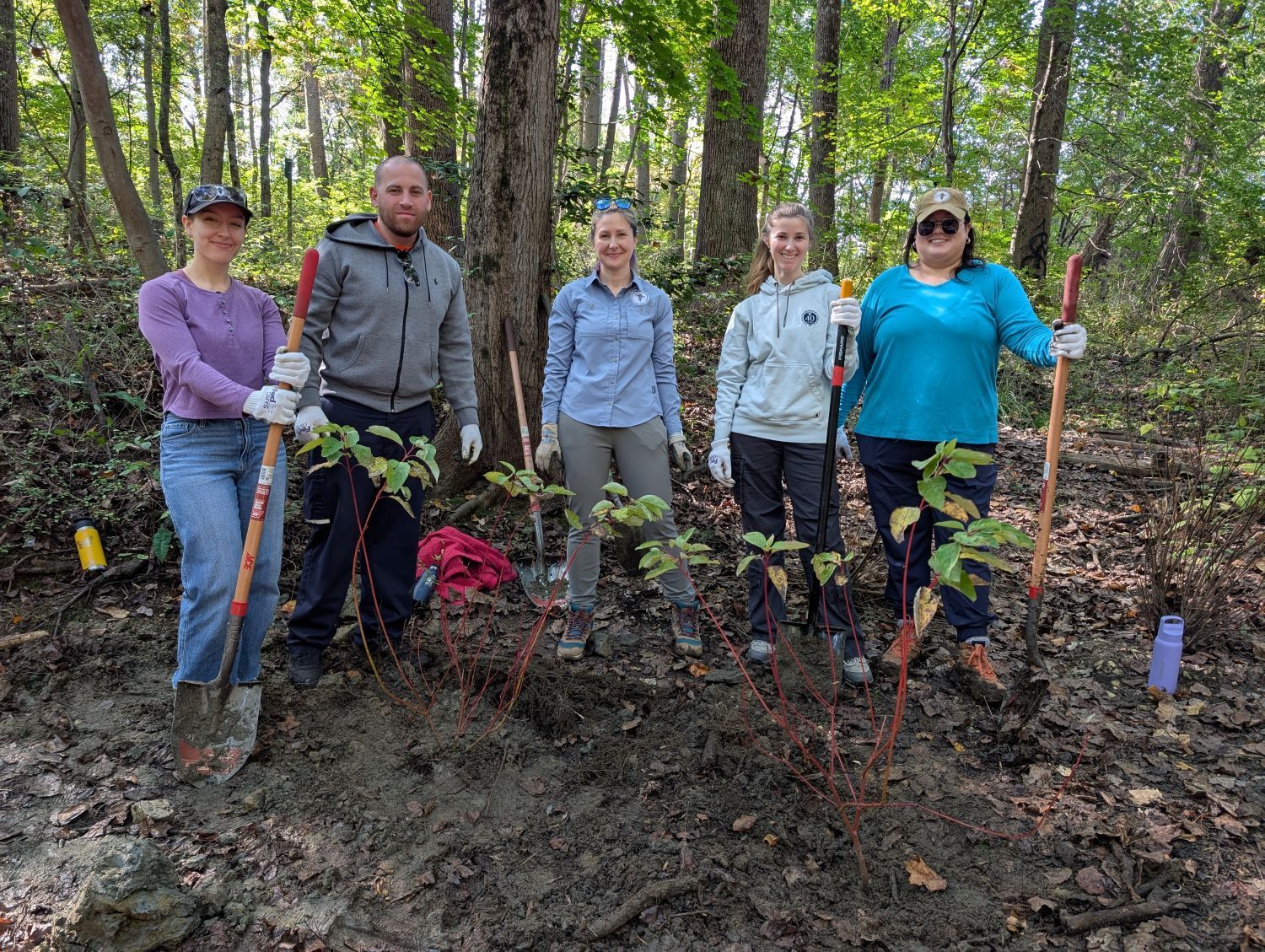
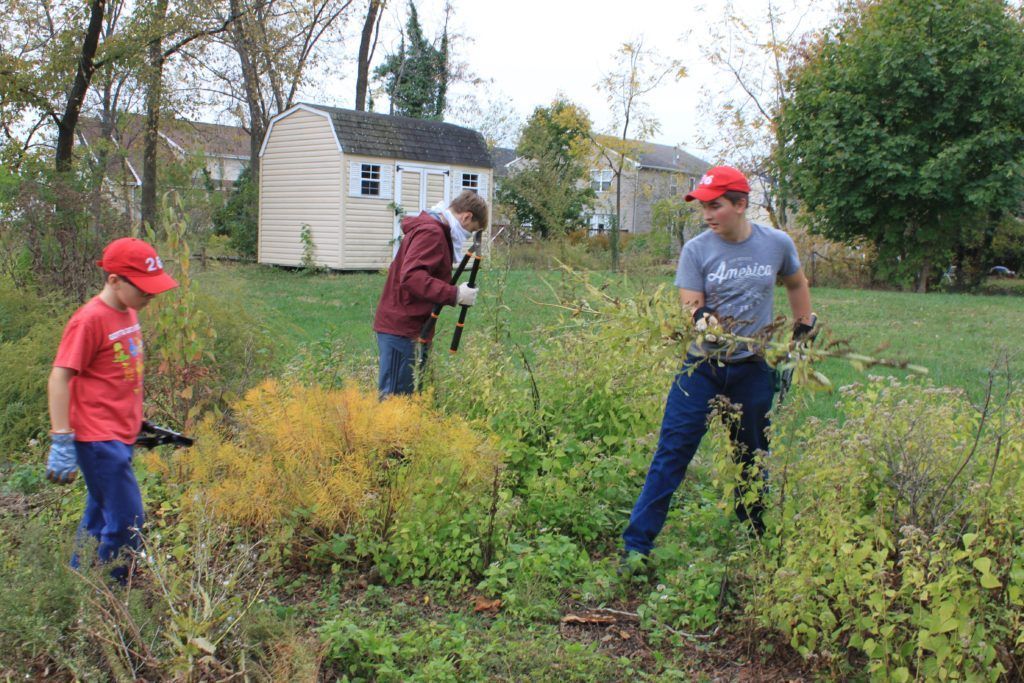
So what is a land trust to do on a site like Bentley where invasives have had their way for so long? There’s no easy solution. First, we can get volunteers to help us remove them and plant native species in their place. We are grateful for the help of Boy Scouts Troop 26 on October 26th which helped clean out planting beds overgrown with annual plants choking out sunlight and soil space for perennial and woody plants.
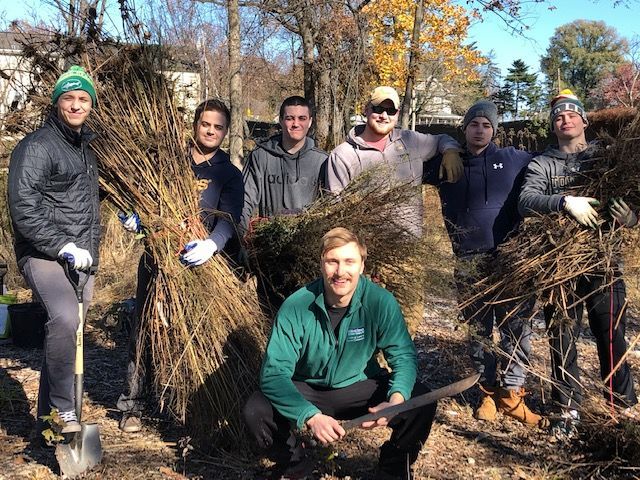
Second, we can educate and encourage the public both to plant native species and to remove invasives when they find them. We are also grateful for the assistance from Alpha Sigma Phi Fraternity at Towson University this past weekend who helped remove more weeds and plant 11 native canopy trees. If you’re wondering what’s invasive and where to buy native plants, check out our resources page on the website for sources.
The bottom line for us all is to take a moment to learn about invasives so that you can identify them, remove them before they wreak havoc on natural systems, and replace them with native species. You’ll be doing your own yard a favor and places like Bentley Park, too.