
Local Open Space Waiver Fees Central to Park Slated to Break Ground on November 8
This is what Bentley Park, a half-acre site in Historic East Towson looked like when NeighborSpace originally purchased the property for $80,000, using local open space waiver fees, several years ago:
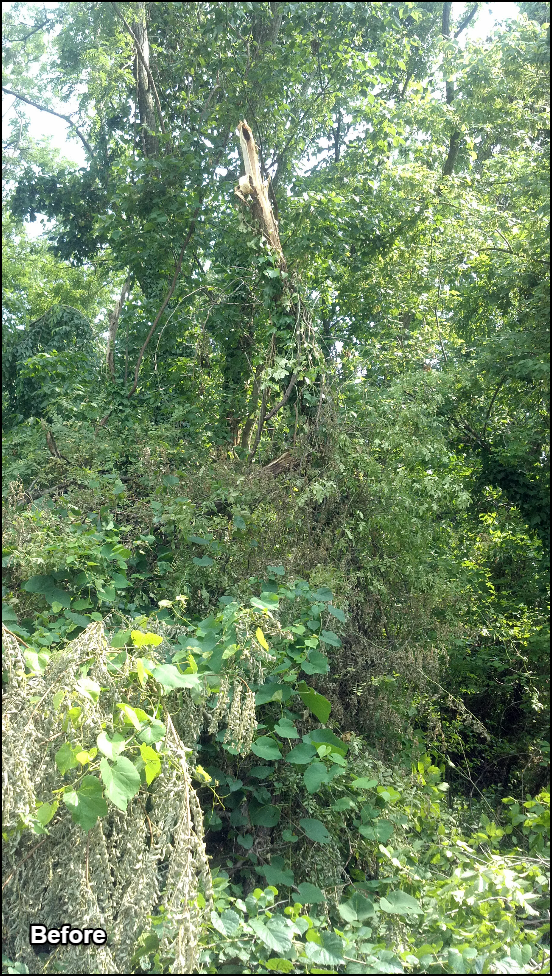
What looks "lush" and "green" is anything but. Like much of the vacant land inside the URDL, the property was so full of invasives (i.e. vines that strangle trees and have thorns that leave marks on any-one or -thing that seeks to pass) that it was almost impenetrable and, therefore, not usable as public open space or amenable to being maintained as such.
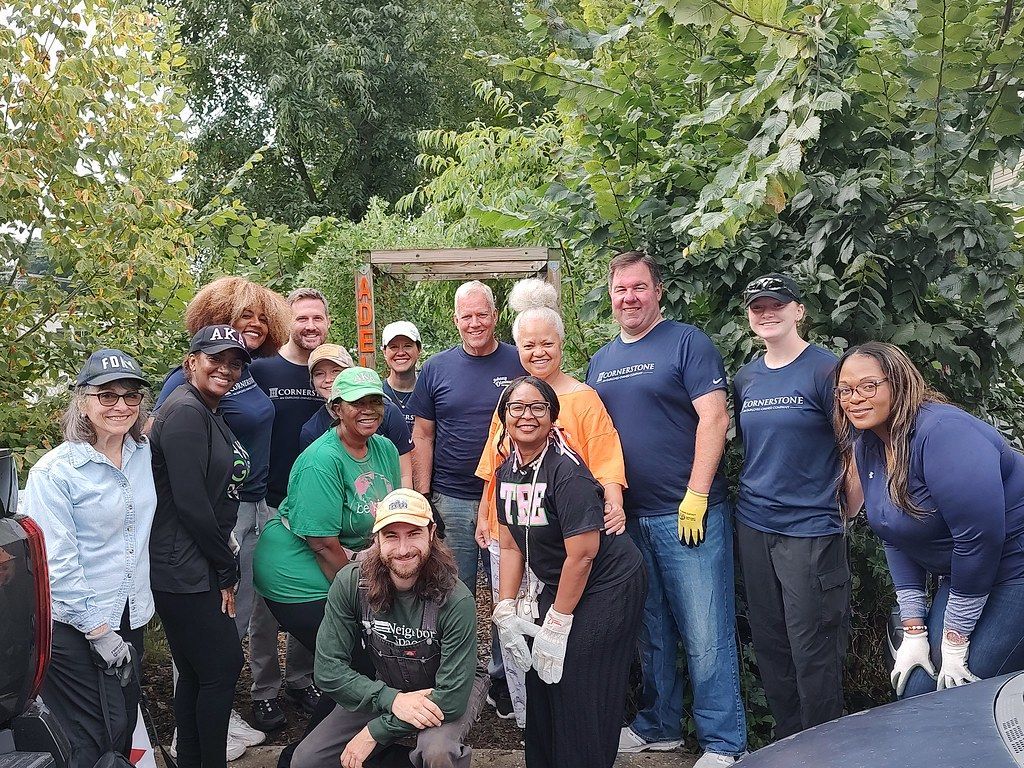
As NeighborSpace undertook discussions with the local community about its vision for the property, Councilman Marks suggested to the board that it be named for local African-American leader Adelaide Bentley, a recommendation that became a reality in 2013. That same year, a group of volunteers from the local Mormon Church began working to remove the vines and other invasives, trash and debris, as shown below:
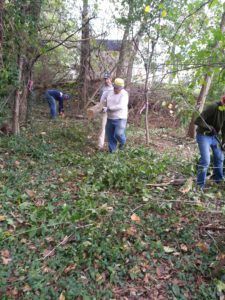
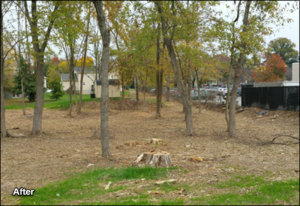
The going was pretty slow. The men returned on three separate occasions, after which NeighborSpace turned to the goats of the Harmony Herd for assistance. When that wasn’t entirely effective in curbing the invasives, the organization consulted the Master Gardeners and several landscape architects, who advised the use of herbicides if there was to be any hope of turning the area into usable space for the community. Eight-thousand dollars later - again using open space waiver fees allocated to NeighborSpace - the site is finally ready for improvement as a community park, as shown in the photo below taken just last week.
Students from Morgan State University’s Graduate Program in Landscape Architecture worked with the community for over a year to develop a design for the park. Once that design vision was finalized, NeighborSpace put the project to bid. The chosen proposal from Pinehurst Landscaping Co., a Baltimore County firm, will cost almost $20,000 and will be funded from a community benefit that Councilman Marks included in a Planned Unit Development Resolution for the Towson Mews project that is right up the street from the park. This will partially fulfill the community’s chosen design for the project, shown in the planting plan below.
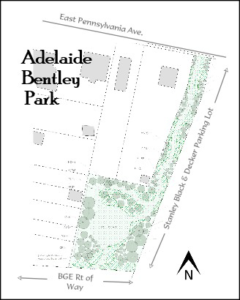
Additional fundraising will be needed for the perennial plantings contemplated in the Morgan students’ design. The other aspects of the design shown above, however, will be implemented beginning on November 8. NeighborSpace is working with the local community and a neighboring church on a plan for the park's ongoing stewardship.
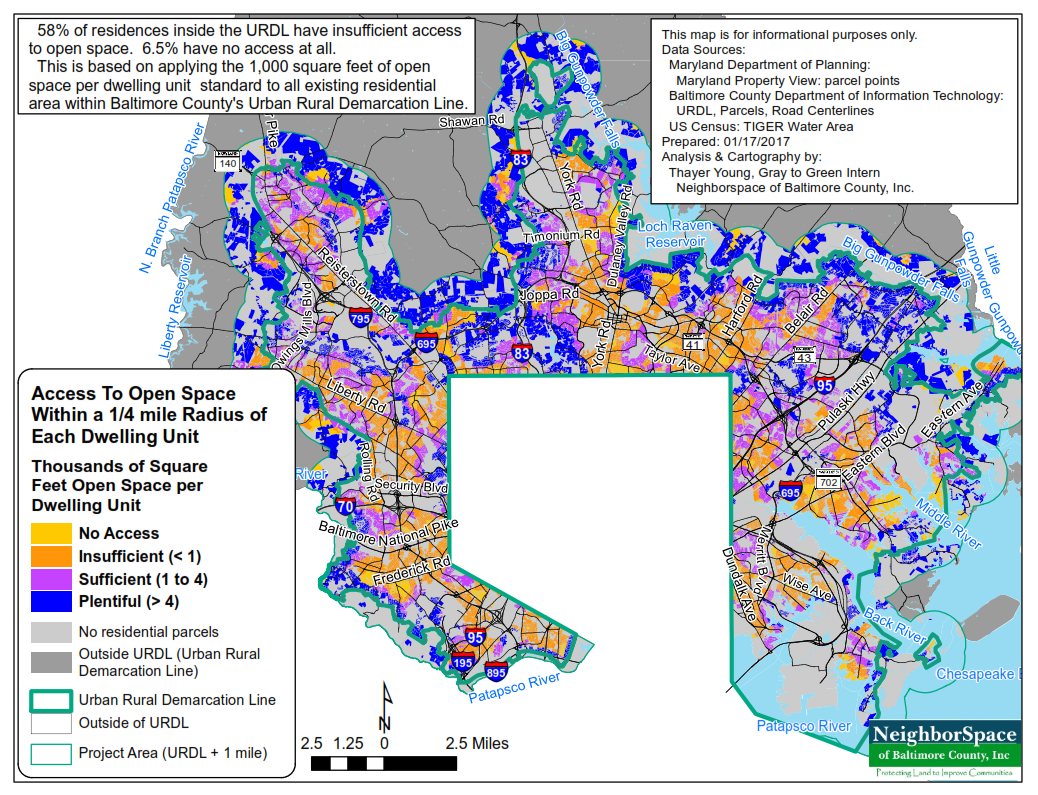
Towson is among the places inside the URDL where 70% of residents (about 514,000 people) on average lack sufficient access to open space within a quarter mile from home, as shown in the map, below. This challenge can’t be addressed unless there are sufficient open space waiver fees available from current projects that can be used to retrofit open space back into communities, like Historic East Towson, where none would otherwise exist.
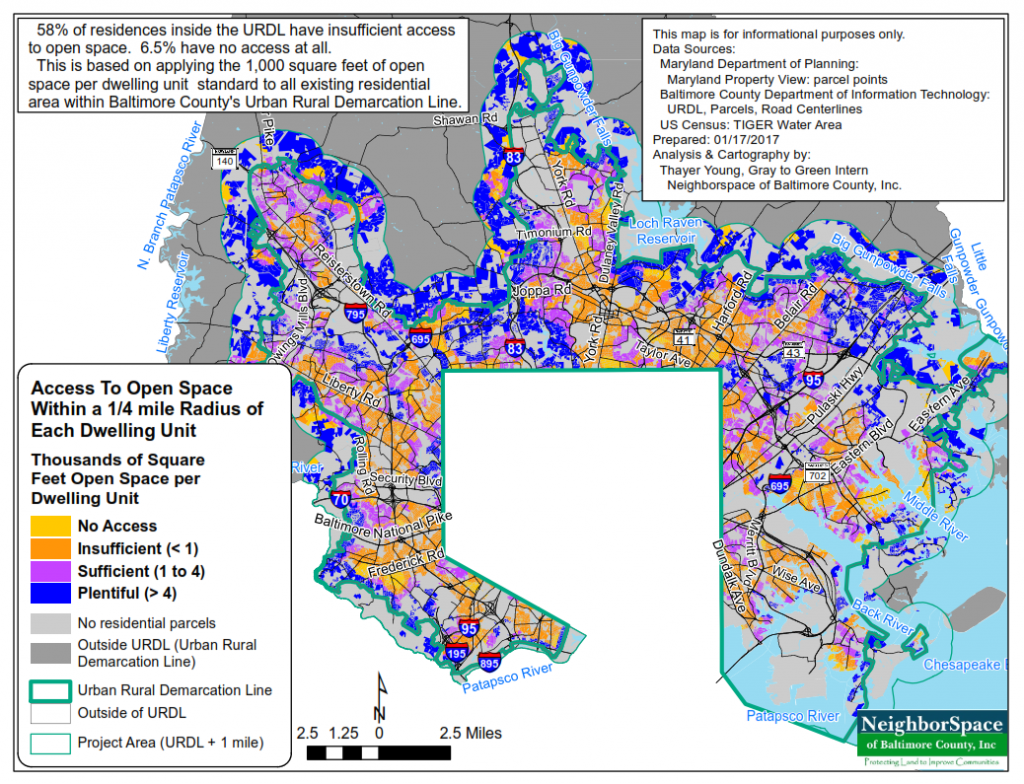
Current legislation before the Council, strongly favors the creation of highly amenitized private open space over payment of the fee. In other words, private dog parks, private tennis courts, private basketball courts, private swimming pools and like private manmade structures could be used to offset a developer's responsibility to pay the the open space waiver fee. This would certainly do much for the new residents of such projects. It would do nothing, however, for the plight of the 514,000 people living in communities shown in orange and yellow, above, with no meaningful access to open space in the county, a point made by NeighborSpace in its testimony before the Council last Tuesday. Our position is this:
-
- The lack of public open space for most communities inside the URDL in the County makes them increasingly unlivable. This is not our conclusion alone. The study quoted above said as much, as does our current County Master Plan.
- You can't solve the current lack of community open space by counting private dog parks, private swimming pools, and private tennis courts as meeting the requirement to provide public open space. Under law that currently exists, there's no provision for counting private dog parks and the like as public open space. Given the huge deficit of public open space that exists, why would we take such a huge step backward?
- It's clear there's no current allowance for private improvements to count as meeting the open space requirement and for good reason. There's also a current limitation on counting public improvements as meeting the open space requirement. Right now improvements open to the public on a new development site, e.g., public dog parks, public swimming pools, and public tennis courts, can only be used to satisfy 35% of the total requirement a developer must meet to provide open space. This is a recognition of how hard it is to separate these costs from the total bill for all of the buildings and other improvements on a site. We have proposed that raising the bar to 50% at most would be a reasonable compromise with the development community, but no more.
- Any suggested further bending of proposed legislation in favor of developers is an affront to the basic common sense of the citizens of Baltimore County, particularly those who live inside the URDL. We've heard there may be a move afoot to suggest amendments that would allow indoor amenities to count toward meeting the open space requirements. For all of the foregoing reasons, this files in the face of reason and neglects the interests of the majority of residents who call communities inside the URDL home. Already, the legislation substantially relaxes existing requirements as to the kinds of spaces that developers may count as meeting the open space requirements.
-
THE BOTTOM LINE IS THIS: A current law that disallows private dog parks and similar improvements in new communities to count toward meeting the open space requirement in a County where most existing communities have no open space should not be trumped by a new law that makes the situation for existing communities and their residents worse. We urge you to consider the foregoing and to make your position on it known to your elected Council representative
today.
9/29/2026 | Conor Harrington, Land Steward
9/29/2026 | Will Kaselow, Community Conservation Manager
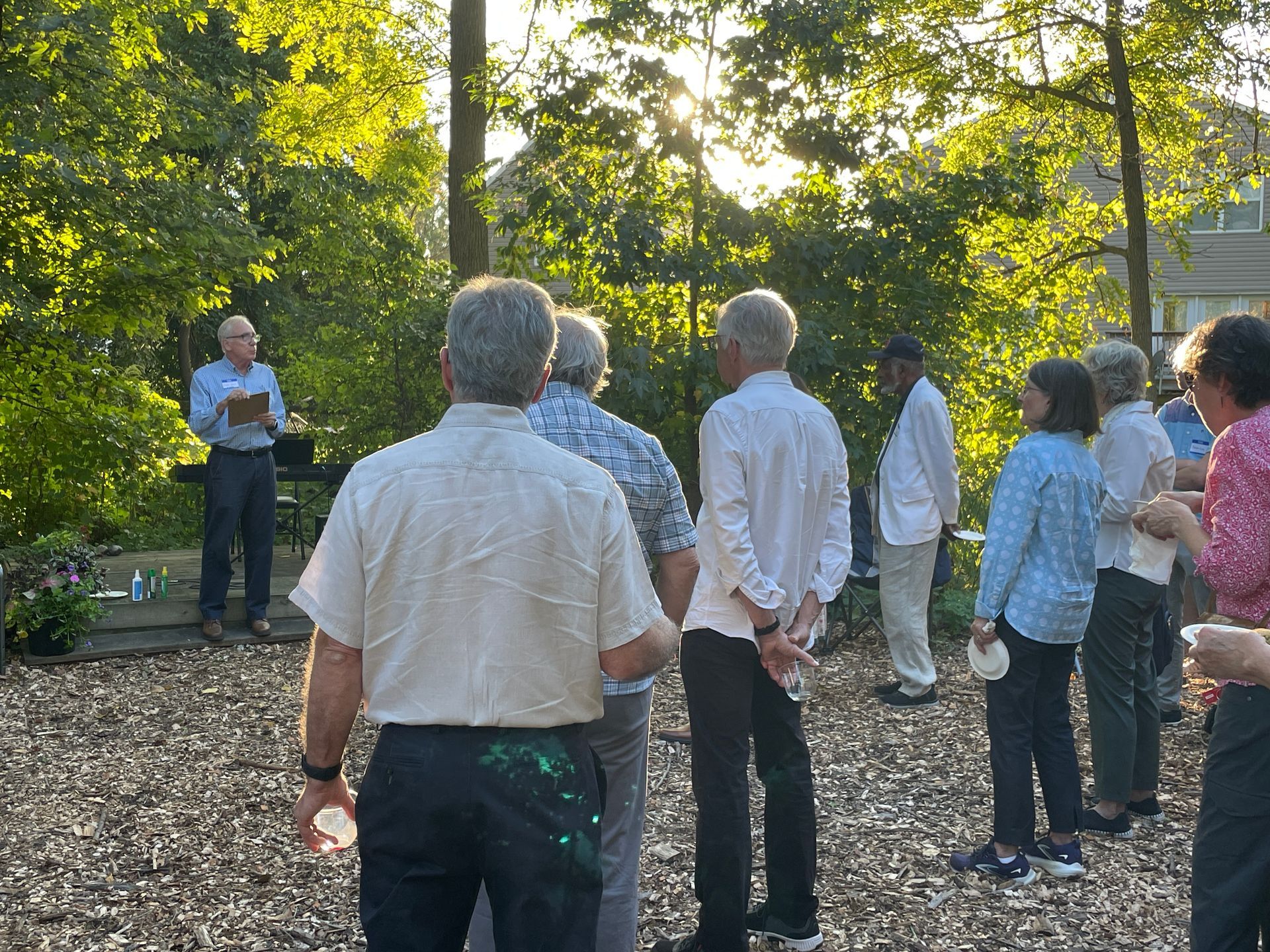
9/29/2026 | Phyllis Joris, Executive Director
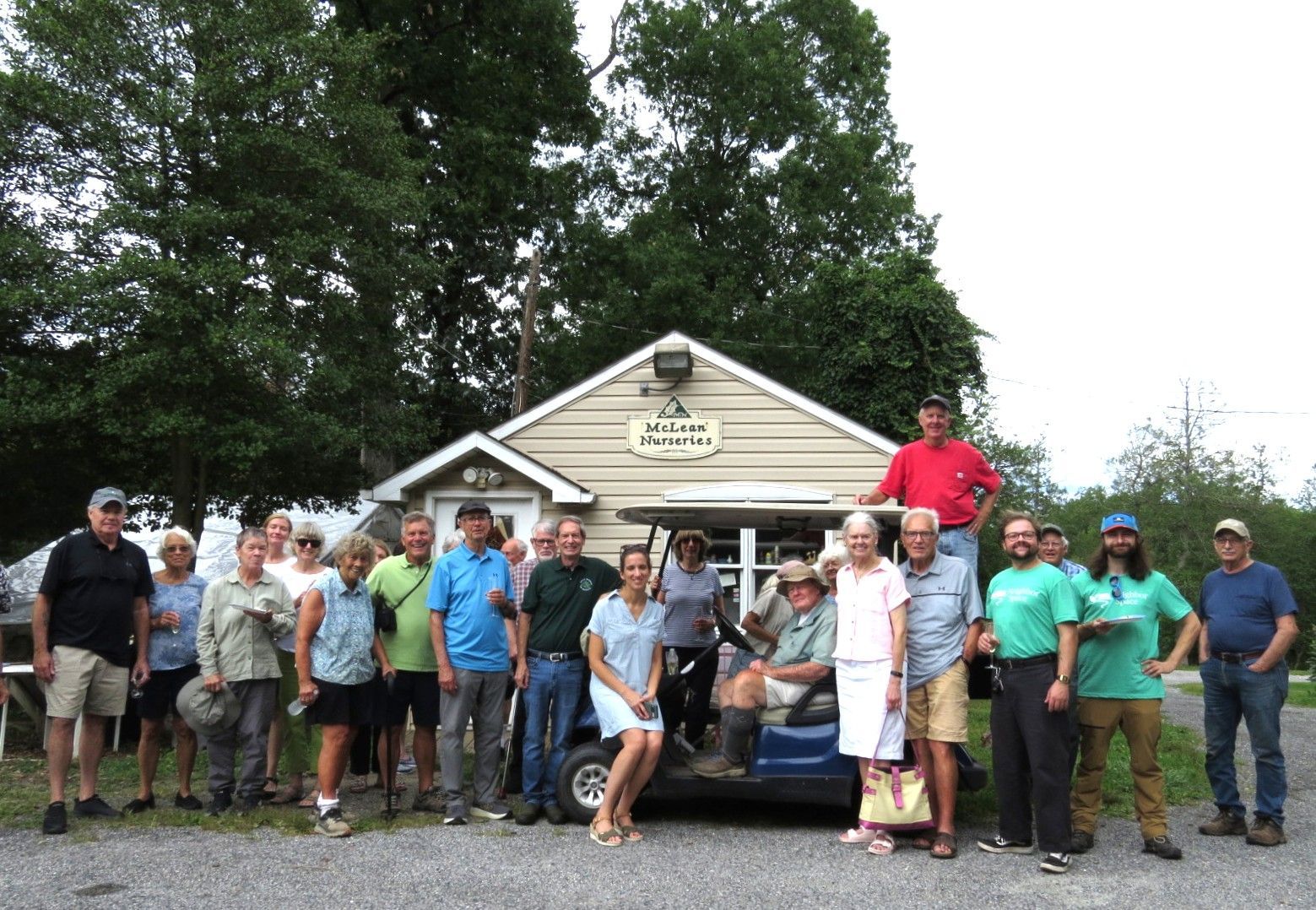
9/29/2026 | Phyllis Joris, Executive Director
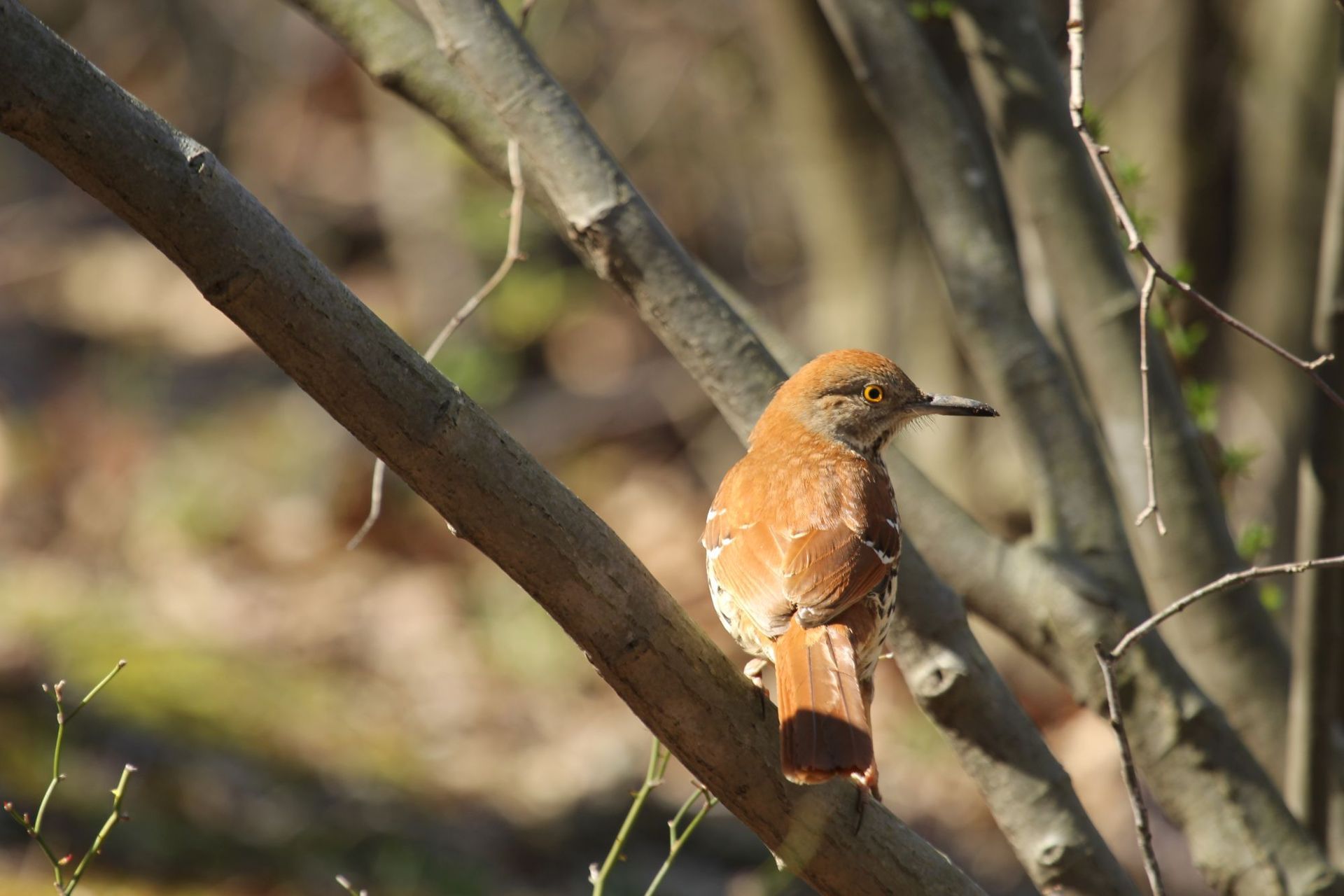
8/28/26 | Will Kaselow, Community Conservation Manager
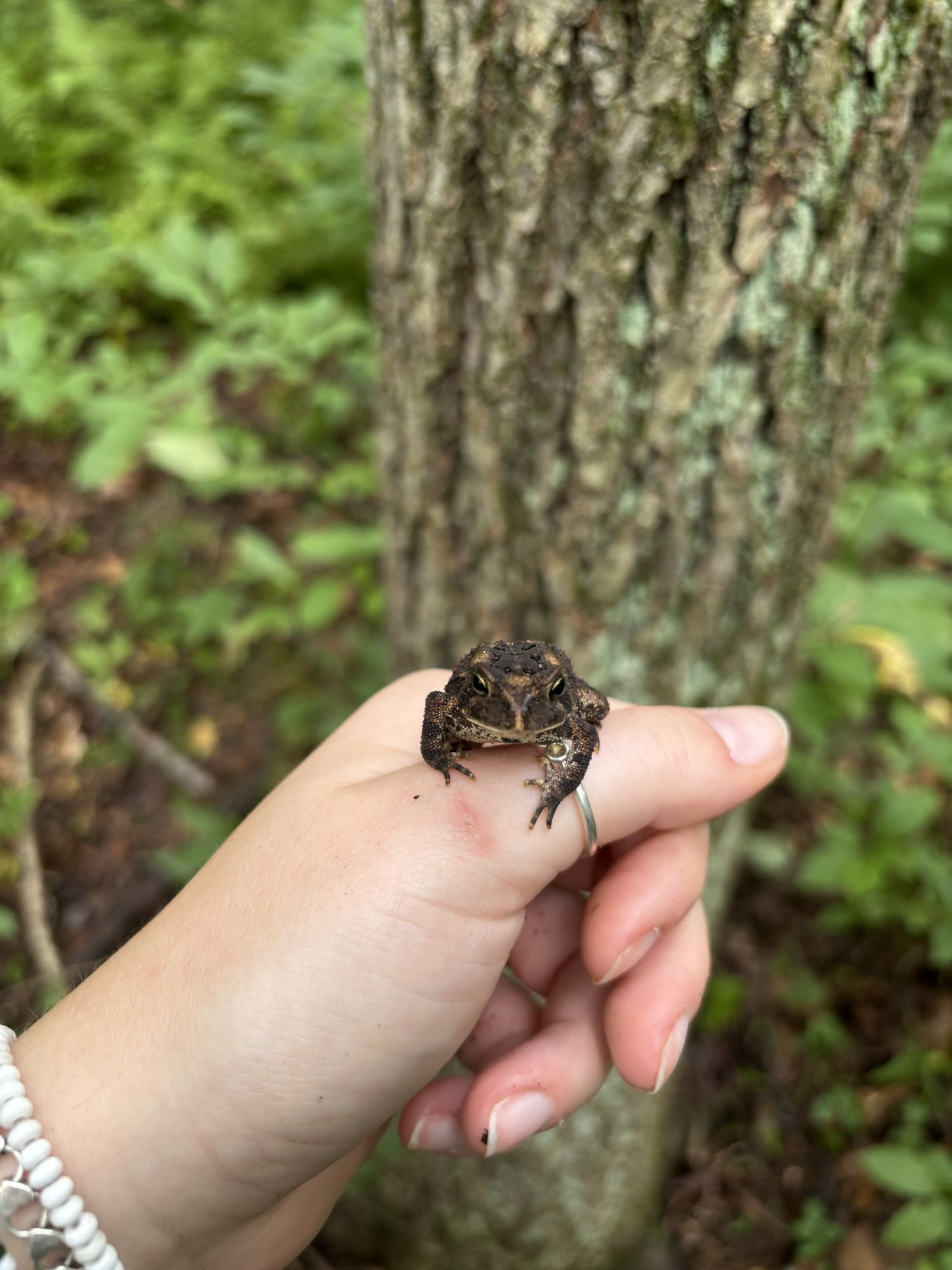
8/28/2026 | Conor Harrington, Ashley Metzbower, and Katie Walsh
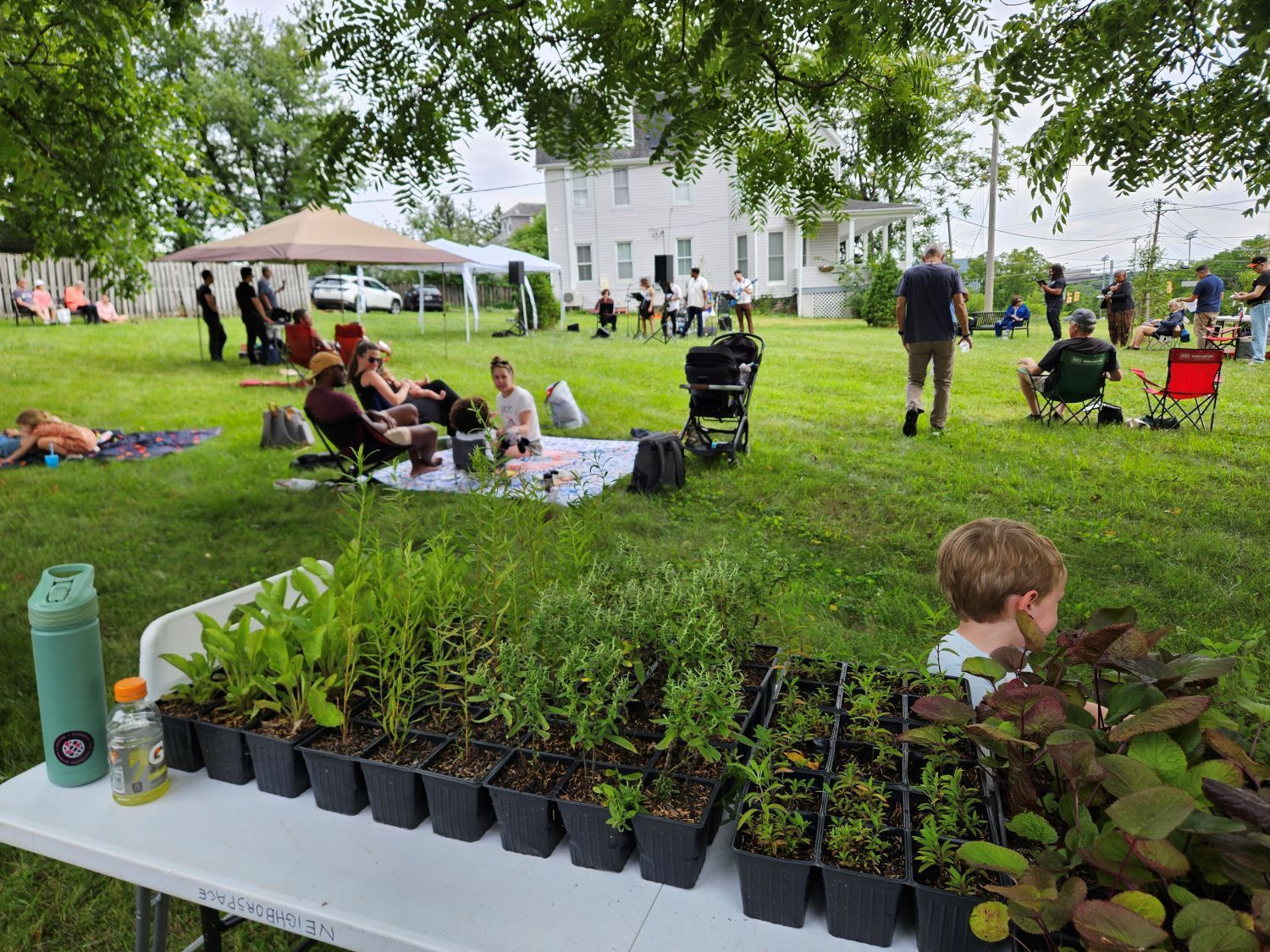
7/28/26 | Will Kaselow, Community Conservation Manager Thank you to everyone who came out to NeighborSpace’s final concert of the summer! After the original date was cancelled due to wildfire-related air pollution, we were able to quickly reschedule and ended up lucking into one of the most beautiful nights of the summer so far. We […]
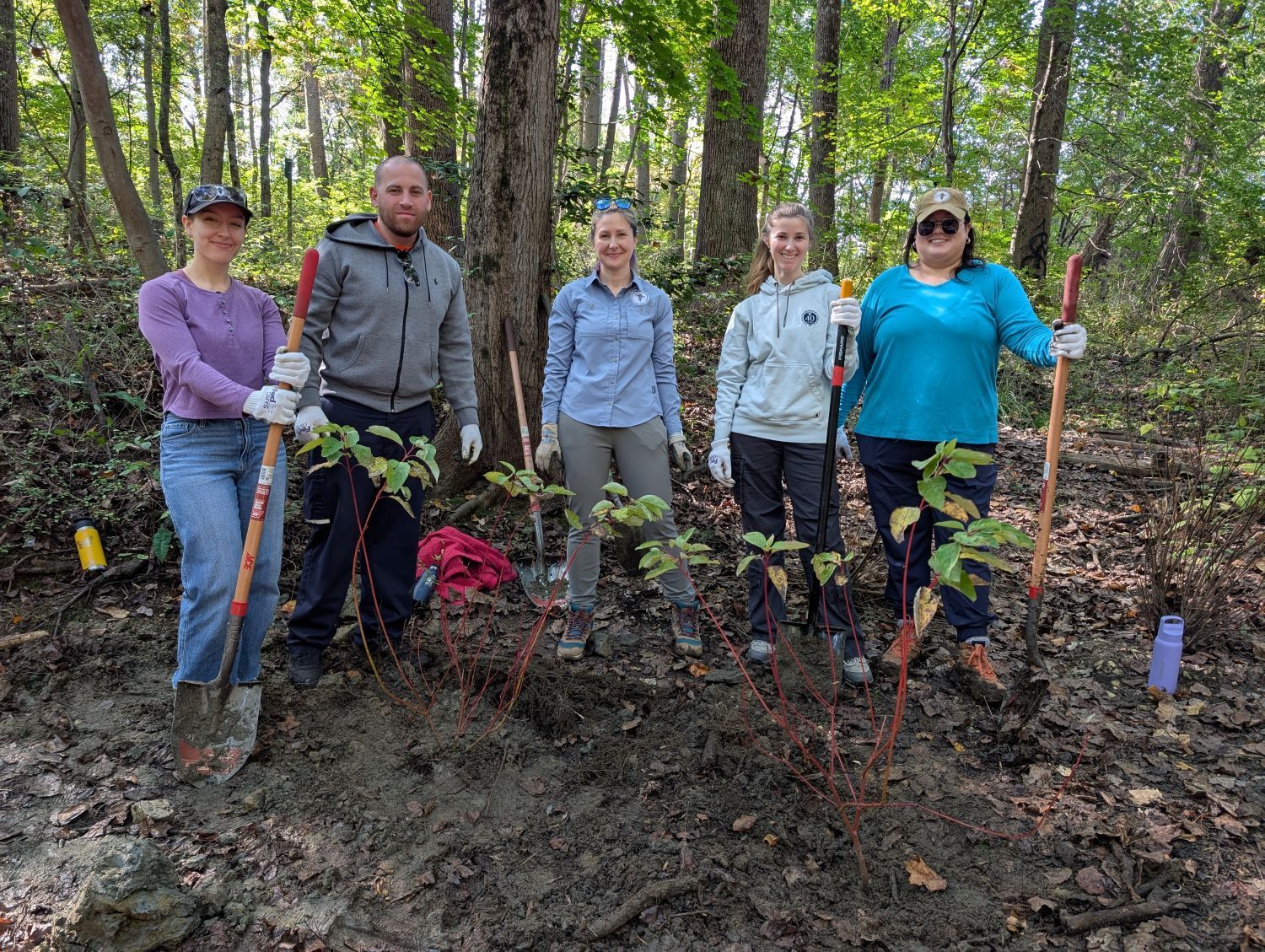
7/29/2026 | Phyllis Joris, Executive Director Like many nonprofits, NeighborSpace operates on a fiscal year that runs July through June. This month, NeighborSpace staff and board members took stock of progress made in the past year and drafted a work plan for the coming year. More details will be provided in NeighborSpace’s Annual Report, which […]

Thanks to donations from generous supporters like you, NeighborSpace was able to hire three interns this summer. We want to help young conservationists gain fieldwork and behind-the-scenes experience, and staff is grateful for the extra hands and minds! We introduced you to our stewardship interns last month.Now read on to meet our communications intern, Mykiah. […]
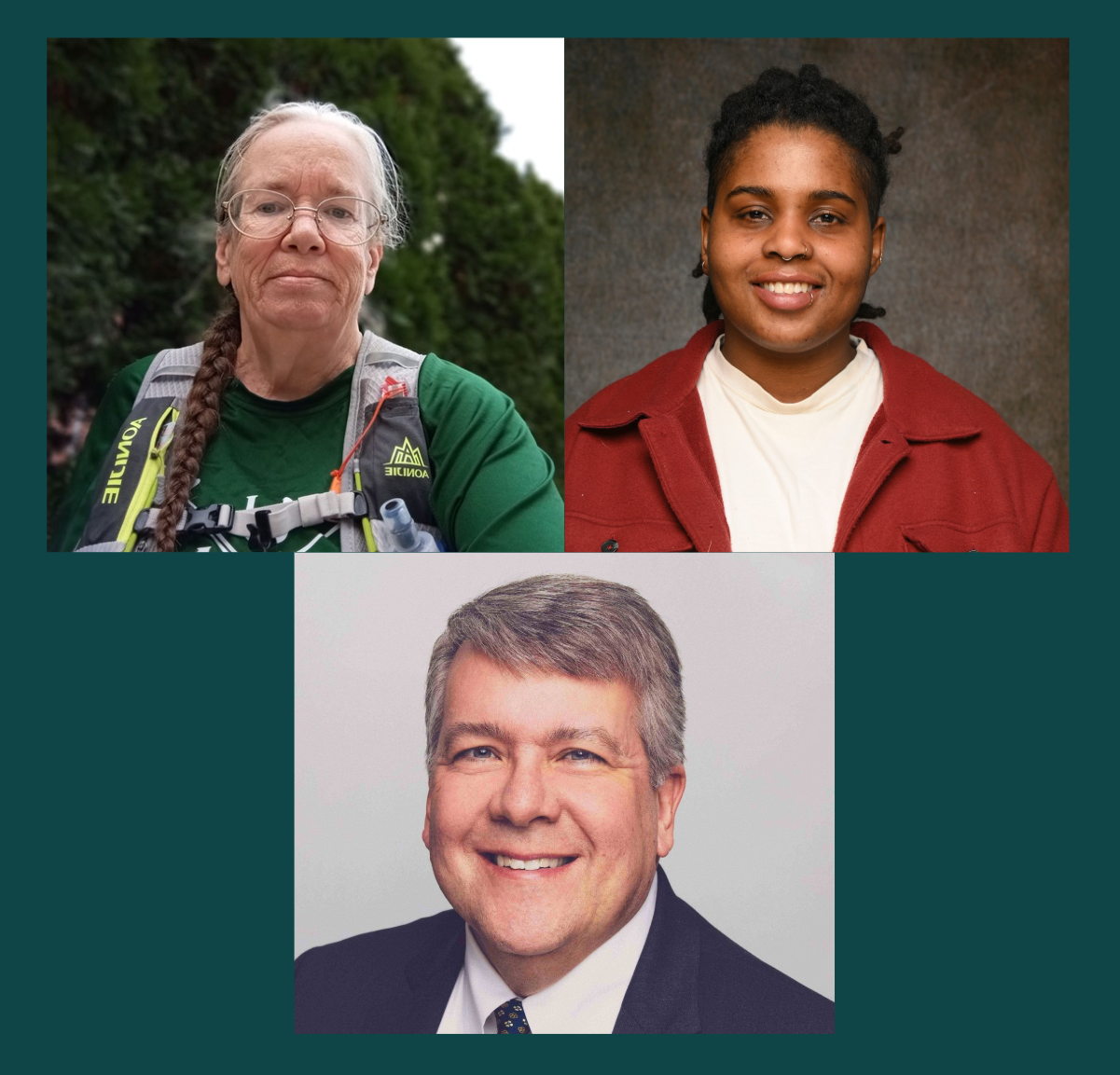
Barbara Waters While I grew up in Massachusetts and then spent 6 years in Northern Maine, I have now lived in Maryland for nearly 32 years. I had been involved in many things in the community, but that involvement really ramped up once the pandemic started. To combat isolation, I started walking daily, and have […]